
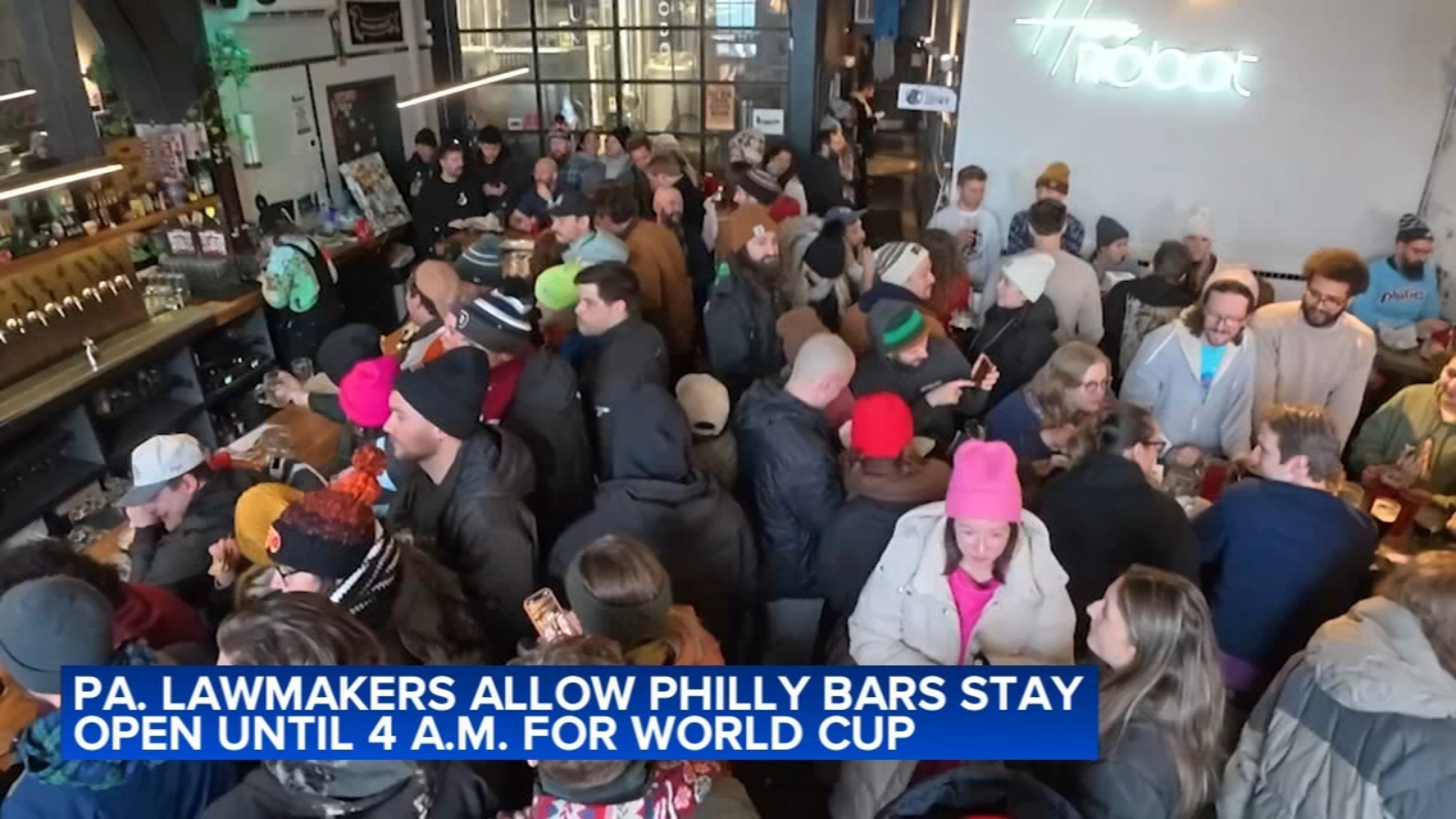
Pennsylvania lawmakers have given Philadelphia bars the green light for extended bar hours during the 2026 FIFA World Cup, a move that hospitality leaders say will help the city capitalize on an unprecedented wave of international tourism. The legislation, which cleared both chambers in Harrisburg, allows qualifying bars to remain open until 4 a.m. throughout the tournament window, giving fans and visitors more time to soak in one of the biggest sporting events on the planet.
Why the Legislation Was Needed
The push for later serving hours stems from a simple reality: not all World Cup matches are friendly to the Eastern time zone. Several games during the tournament will be played late at night on the West Coast and in Mexico, meaning kickoff times will stretch well past midnight for Philadelphia audiences. Bars that would normally be closing their doors at 2 a.m. would risk losing crowds of hungry, thirsty fans still glued to the action.
Ben Fileccia of the Pennsylvania Restaurant and Lodging Association explained the reasoning behind the bill in straightforward terms. Visitors arriving from across the globe aren’t all operating on Eastern Standard Time, and their dining and socializing habits don’t always align with Philadelphia’s traditional nightlife schedule. In many parts of the world, dinner doesn’t even begin until 10 or 11 p.m., which means guests may be looking for a place to eat, drink, and watch the match long after the city’s usual curfew kicks in.
“We kind of had to adjust to our expectations to make sure that we’re managing our guests’ expectations,” Fileccia said, underscoring that hospitality venues need flexibility to serve an international crowd.
How the Permit System Will Work
Bars won’t automatically be granted the privilege of staying open until 4 a.m. Instead, each establishment must apply for a special permit before serving into the early morning hours. The window for these extended hours is tightly defined, running only from June 11 to July 20, which covers the bulk of the World Cup tournament schedule.
This temporary structure mirrors the approach Pennsylvania has taken during past major events in Philadelphia, giving regulators a clear start and end date while letting venues make the most of an extraordinary tourism opportunity. For bar owners, the permit process represents both a chance to boost revenue and a logistical consideration: staffing, inventory, and security all need to scale up to accommodate a late-night crowd.
What Bar Owners Need to Know
- Application required: Venues must formally apply for the special permit before serving past standard hours.
- Limited timeframe: Extended hours are valid only between June 11 and July 20, 2026.
- 4 a.m. closing: Qualifying bars may operate until 4 a.m. instead of the standard cutoff.
- Compliance: Establishments will still need to follow all other alcohol service laws and regulations during the extended window.
A Summer Packed with Major Events
The World Cup isn’t the only reason Philadelphia is bracing for a massive influx of visitors in summer 2026. The city is stacking one marquee event on top of another, creating a tourism season unlike anything it has seen in recent memory.
Beyond the international soccer spectacle, Philadelphia is also set to host the MLB All-Star Game, a celebration that traditionally brings tens of thousands of baseball fans into the city for a week of festivities. On top of that, the city is preparing for America’s 250th birthday celebrations, marking a full quarter-century since the nation’s founding. The combination of these three major occasions has hospitality leaders eyeing what could be a record-breaking economic boost.
For local bars, restaurants, and hotels, the convergence of these events represents a once-in-a-generation opportunity. Hundreds of thousands of out-of-town visitors are expected, and many will be looking for places to gather, eat, drink, and celebrate well into the night.
Economic Stakes for Local Venues
Supporters of the extended bar hours bill were quick to point out the financial upside for Philadelphia’s hospitality sector. Major sporting events and tourism milestones tend to generate enormous spikes in bar and restaurant revenue, and giving venues the flexibility to stay open later only amplifies that potential.
Late-night match broadcasts, in particular, create a unique draw. Fans don’t just want to watch the game at home; they want the communal experience of cheering alongside fellow supporters, sampling local food and drink, and extending the celebration long after the final whistle. A bar that closes at 2 a.m. simply can’t capture that energy when the game itself doesn’t end until well after midnight.
The economic argument resonated strongly with state lawmakers on both sides of the aisle. While Philadelphia is the direct beneficiary, the precedent of accommodating international tourism through flexible nightlife regulations could serve as a model for other Pennsylvania cities hosting future global events.
Concerns from Critics
Not everyone embraced the legislation without reservations. Critics raised concerns about the impact on residents who live near popular nightlife districts, warning that extended hours could lead to increased noise, disorderly behavior, and strain on already-busy neighborhoods.
Late-night bar crowds bring their own set of challenges: amplified noise spilling into residential blocks, increased foot traffic on sidewalks, and the logistical headaches of late-arriding rideshares and taxis. For residents who already navigate the realities of living in a vibrant urban environment, the prospect of an entire month-plus of 4 a.m. bar closings raised legitimate quality-of-life questions.
However, the limited duration of the permit window appears designed to address these concerns. Rather than permanently altering Philadelphia’s nightlife landscape, the extended hours are a temporary accommodation tied to a specific, time-bounded event. Once July 20 passes, participating bars will revert to their standard operating hours.
A Look Back: The 2016 Democratic National Convention
This isn’t the first time Philadelphia has secured special permissions for late-night revelry during a major event. The last comparable situation occurred in 2016, when the city hosted the Democratic National Convention at the Wells Fargo Center in South Philadelphia. During that week, bars throughout the city were granted the ability to stay open later to accommodate the influx of delegates, media, and political operatives flooding the region.
The 2016 experiment was widely considered a success, with few major incidents reported and significant economic activity generated across the hospitality sector. That history appears to have given Pennsylvania lawmakers confidence that a similar approach could work for the World Cup, even on a much larger scale.
What This Means for Philadelphia’s Nightlife Reputation
Philadelphia has long cultivated a reputation as a city with a vibrant, diverse bar and restaurant scene. From the historic taverns of Old City to the trendy cocktail lounges of Fishtown and the sports-centric pubs surrounding the stadiums in South Philadelphia, the city offers something for virtually every taste. The World Cup represents a chance to showcase that variety on a truly international stage.
By embracing extended bar hours, Philadelphia is signaling that it’s ready to compete with other major host cities for the attention and spending of global travelers. Late-night dining and drinking culture is a defining feature of cities like New York, London, and Barcelona, all of which have thriving hospitality scenes that cater to visitors operating on different time zones and schedules. Philadelphia’s willingness to temporarily adapt its regulations suggests a similar level of ambition.
Looking Ahead to Summer 2026
With the legislation now approved, the focus shifts to implementation. Bar owners will need to familiarize themselves with the permit application process and plan their staffing, inventory, and security arrangements accordingly. Tourism boards and hospitality associations are likely to ramp up promotional efforts to ensure that visitors know exactly where to go when the matches run late.
For soccer fans, the message is simple: Philadelphia is rolling out the welcome mat, and the party doesn’t have to stop just because the clock strikes midnight. Whether you’re a die-hard supporter of the U.S. Men’s National Team, a curious tourist sampling the global game for the first time, or a local looking to soak in the atmosphere, the city’s bars are gearing up to deliver an unforgettable World Cup experience.
Conclusion
The approval of extended bar hours for Philadelphia during the 2026 FIFA World Cup marks a significant moment for the city’s hospitality industry. By allowing bars to serve until 4 a.m. between June 11 and July 20, Pennsylvania lawmakers have given local venues the tools they need to welcome an enormous international audience with open arms. While critics raised valid concerns about neighborhood impacts, the temporary nature of the permits , combined with the proven track record of the 2016 Democratic National Convention , suggests a carefully measured approach rather than a permanent shift in policy. As Philadelphia prepares for a summer that includes the World Cup, the MLB All-Star Game, and America’s 250th birthday, the city’s bars are poised to play a central role in turning these historic occasions into lasting memories for visitors and residents alike.