
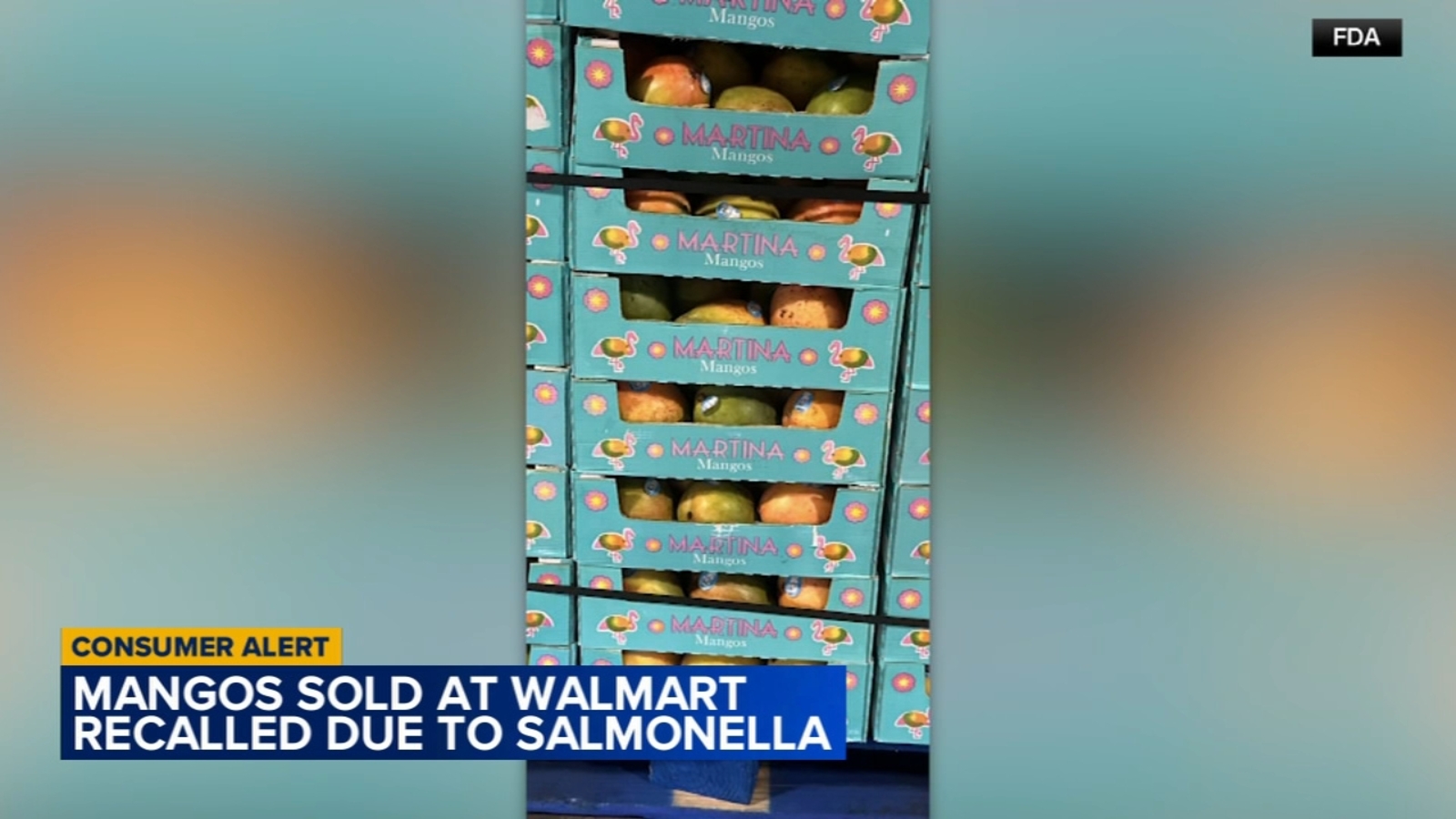
If you’ve recently purchased fresh mangoes from Walmart, you’ll want to pay close attention to a recent mango recall affecting stores across the Northeast. Panorama Produce has issued a precautionary recall for certain shipments of fresh mangoes sold at Walmart locations in four states after routine testing raised salmonella concerns. The affected mangoes were distributed to Walmart stores in Pennsylvania, New Jersey, New York, and Connecticut, putting potentially thousands of shoppers at risk if they don’t take action.
While no illnesses have been reported so far, food safety experts emphasize that precautionary recalls like this one are essential for protecting public health. Here’s everything you need to know about this latest food recall, including which products are affected, what to do if you have them in your kitchen, and how to recognize the warning signs of salmonella exposure.
Why the Mango Recall Was Issued
The mango recall was initiated as a precautionary measure after salmonella bacteria was detected in mangoes harvested from the same farm in Mexico. Critically, the contaminated fruit was not shipped to the United States,however, other mangoes from the same growing operation were distributed to Walmart stores in the affected regions. Because the source farm showed signs of potential contamination, Panorama Produce made the decision to recall all mangoes that could have come into contact with the affected operation.
This kind of precautionary response is standard practice in the food industry and aligns with protocols established by the U.S. Food and Drug Administration (FDA). Food safety officials routinely recommend pulling products from shelves when there’s any reasonable suspicion of contamination, even before illnesses are confirmed. This proactive approach helps prevent widespread foodborne illness outbreaks and demonstrates the importance of traceability in the fresh produce supply chain.
Which States and Stores Are Affected
The current Walmart recall involves mangoes sold at store locations in four Northeastern states:
- Pennsylvania
- New Jersey
- New York
- Connecticut
Shoppers who purchased fresh mangoes from Walmart in these states during the relevant distribution window should check their refrigerators and fruit bowls carefully. The recall specifically targets whole fresh mangoes sold under Panorama Produce’s distribution, though specific product labels, PLU codes, or batch numbers were not detailed in the initial announcement. Consumers are encouraged to contact their local Walmart or the company directly if they’re uncertain about whether their purchase falls under the fresh produce recall.
What to Do If You Have Recalled Mangoes
Customers who have purchased mangoes that may be part of this recall have two simple options for handling the situation:
- Discard the fruit immediately – Place the mangoes in a sealed plastic bag and throw them away in a covered trash can to prevent animals or other people from accessing them.
- Return them to Walmart for a full refund – Bring the mangoes back to the store where they were purchased, ideally with your receipt, for a complete refund.
Walmart has been cooperating fully with the recall process, and shoppers should not experience any difficulty returning the affected fruit. If you’ve already eaten some of the mangoes, don’t panic,but remain vigilant for any symptoms of salmonella infection over the coming days.
Understanding Salmonella: Symptoms and Risks
Salmonella is one of the most common causes of foodborne illness in the United States, affecting approximately 1.35 million Americans each year. The bacteria can cause a range of symptoms that typically appear between 6 hours and 6 days after consuming contaminated food. Recognizing these symptoms early can help you seek appropriate medical care and prevent the spread of infection to others.
Common Salmonella Symptoms Include:
- Diarrhea, fever, and stomach cramps
- Nausea and vomiting
- Headaches and muscle aches
- Loss of appetite
- Dehydration in severe cases
Most healthy individuals recover from salmonella infections within 4 to 7 days without specific medical treatment. However, certain populations face higher risks of severe complications, including:
- Young children and infants
- Elderly adults over the age of 65
- Pregnant women
- Immunocompromised individuals, including those undergoing cancer treatment or living with autoimmune conditions
If you or someone in your household experiences severe symptoms, persistent high fever, signs of dehydration, or bloody diarrhea after consuming the recalled mangoes, seek medical attention promptly. Be sure to inform your healthcare provider about the potential salmonella exposure, as this information is critical for accurate diagnosis and treatment.
The Broader Context of Food Recalls
This latest mango recall highlights ongoing challenges in food safety, particularly when it comes to fresh produce imported from international markets. Mexico remains one of the largest suppliers of fresh fruits and vegetables to the United States, and while the vast majority of imported produce meets strict safety standards, occasional contamination events are inevitable.
The FDA has implemented extensive safety protocols for imported produce, including:
- Routine testing of imported shipments
- On-site inspections of foreign farms and processing facilities
- Traceability requirements to track produce from farm to store
- Mandatory recall procedures when contamination is suspected
Despite these measures, fresh produce remains a common source of foodborne illness outbreaks because fruits and vegetables are often consumed raw, without the cooking step that would kill harmful bacteria. Mangoes, in particular, have been the subject of several recalls in recent years, reinforcing the importance of proper handling and washing before consumption.
How to Protect Yourself from Foodborne Illness
While this particular mango recall appears to be limited in scope, it serves as a valuable reminder for consumers to practice good food safety habits every day. Here are some essential tips for reducing your risk of salmonella and other foodborne illnesses:
- Wash all fresh produce thoroughly under running water before eating, cutting, or cooking,even if you plan to peel the fruit.
- Store fresh fruit properly in the refrigerator to slow bacterial growth.
- Separate raw produce from raw meat, poultry, and seafood in your shopping cart and refrigerator.
- Clean cutting boards and utensils thoroughly after contact with fresh produce.
- Stay informed about ongoing recalls by checking the FDA’s website and following food safety news.
For this specific recall, shoppers in Pennsylvania, New Jersey, New York, and Connecticut should take immediate action if they have recently purchased mangoes from Walmart. Even if you’re unsure whether your mangoes are part of the recall, erring on the side of caution is always the safest approach.
What Walmart Is Doing About the Recall
Walmart has moved quickly to address this food recall by removing all potentially affected mangoes from store shelves in the impacted states. The retail giant is also providing full refunds to any customer who returns the recalled fruit, regardless of whether they have a receipt. Walmart’s customer service team is available to answer questions and help shoppers navigate the recall process.
Panorama Produce, the distributor responsible for the mango recall, is cooperating fully with food safety authorities and has launched an internal investigation to determine how the contamination occurred and to prevent similar incidents in the future. The company has emphasized that no illnesses have been linked to the recalled mangoes, and the recall remains precautionary in nature.
Staying Safe and Informed
This precautionary mango recall affecting Walmart stores in Pennsylvania, New Jersey, New York, and Connecticut serves as an important reminder of why food safety systems matter. While the lack of reported illnesses is reassuring, taking the recall seriously is the best way to protect yourself and your family from potential salmonella infection. If you have recently purchased mangoes from Walmart in any of the affected states, take a moment to check whether they might be part of the recall,and if so, discard them immediately or return them for a refund.
Food recalls happen regularly in the United States, and staying informed is one of the most effective ways to keep your household safe. Bookmark the FDA’s recall page, sign up for email alerts, and don’t hesitate to reach out to retailers or manufacturers if you have questions about specific products. By working together, consumers, retailers, and food safety authorities can minimize the impact of contamination events and maintain confidence in the food supply. Stay vigilant, stay informed, and prioritize food safety in your daily routine.