
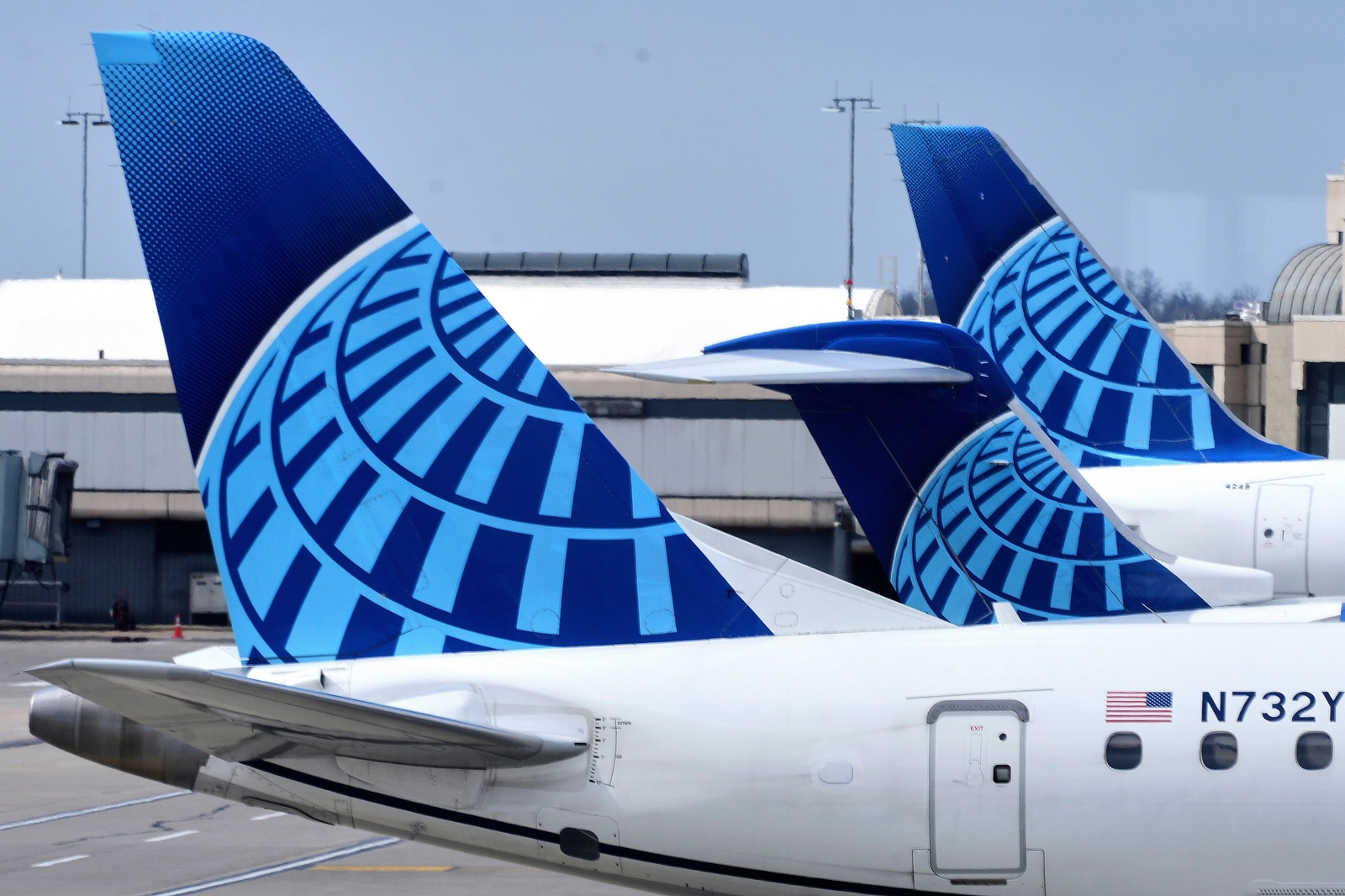
A routine landing at San Diego International Airport took an alarming turn when a drone strike San Diego incident was reported by the pilot of a United Airlines commercial flight arriving from San Francisco. The close encounter, which occurred at an altitude well above the legal limit for unmanned aircraft, has reignited urgent conversations about airspace safety, pilot responsibilities, and the growing risks posed by reckless drone operators in busy metropolitan airspace.
Federal aviation authorities have launched a formal investigation into the matter, and the incident underscores how vulnerable commercial aviation remains to unauthorized drone activity, even in tightly regulated airspace near major airports.
What Happened During United Airlines Flight 1980
On a Wednesday morning, United Airlines Flight 1980, a Boeing 737, was on its final approach into San Diego International Airport, commonly known as Lindbergh Field, after departing from San Francisco International Airport. According to the Federal Aviation Administration (FAA), the pilot reported a possible drone collision shortly after landing safely.
Once the aircraft was on the ground, the flight crew communicated with air traffic controllers, providing detailed information about the suspected encounter. The pilot described hitting what appeared to be a red drone during the base leg of the approach, between the navigational waypoints KEEDG and SAIEE. The pilot estimated the altitude at roughly 3,000 feet, while the FAA later confirmed the reported sighting occurred at approximately 4,000 feet.
Despite the alarming nature of the report, United Airlines confirmed that a thorough postflight inspection of the Boeing 737 revealed no visible damage to the aircraft. The flight continued to its assigned gate without further incident, and all passengers and crew arrived safely.
Pilot Communication Details
The pilot’s transmission to air traffic control offered a precise account of the encounter. After acknowledging landing clearance and switching to ground frequency, the crew reported striking a drone, describing it as red and heading in a westward direction. This level of detail is critical for investigators attempting to reconstruct the event and identify potential witnesses or additional evidence in the surrounding area.
Air traffic controllers acted swiftly, broadcasting a warning to other aircraft operating in the vicinity. Fortunately, no other pilots in the area reported encountering drones during the same timeframe.
FAA Investigation Underway
The FAA investigation into the reported drone strike is ongoing. Federal officials are working to verify the pilot’s account, analyze radar data if available, and potentially identify the operator of the rogue unmanned aircraft system. Investigating such incidents is notoriously challenging, particularly when the drone involved is not recovered and the operator remains unidentified.
Officials have emphasized the seriousness of the report. A drone encounter at 4,000 feet is far beyond the altitude at which civilian drones are legally permitted to operate, raising significant concerns about the source of the device and the intent of its operator.
Legal Drone Altitude Limits Explained
Under current drone regulations established by the FAA, recreational and commercial unmanned aircraft are generally restricted to a maximum altitude of 400 feet above ground level. Some exceptions exist for operations within controlled airspace with proper authorization, but even then, pilots must coordinate with the FAA and obtain waivers for higher altitudes.
The reported altitude of 4,000 feet represents a staggering tenfold violation of standard drone operating limits. At that height, drones enter the same airspace used by commercial aircraft during approach and departure procedures, creating an immediate and severe hazard to aviation safety.
Aviation Safety Concerns Raised by the Incident
The San Diego incident highlights a persistent and growing problem in modern aviation: the proliferation of consumer and commercial drones operating in restricted airspace. Even a small drone weighing only a few pounds can cause catastrophic damage to a jet engine, windshield, or airframe when struck at high speeds. Bird strikes, which are well-studied and managed through decades of aviation data, typically occur at much lower altitudes during takeoff and landing. A drone encounter at 4,000 feet during a base leg approach represents an entirely different category of risk.
Risks Posed by Drone Collisions
- Engine damage or failure: Even small drones can be ingested into jet engines, potentially causing compressor stalls or catastrophic mechanical failures.
- Windshield damage: A drone striking a cockpit windshield could impair a pilot’s vision at a critical phase of flight.
- Control surface disruption: Drones can damage flaps, ailerons, or other moving parts essential for controlled flight.
- Crew and passenger injury: Shattered debris from a drone impact could injure occupants inside the cabin.
The absence of damage in this particular case is fortunate but does little to diminish the seriousness of the violation. Each unauthorized drone flight near an airport represents a potential tragedy that aviation safety professionals are working tirelessly to prevent.
Drone Strikes: A Growing National Concern
Incidents involving drones and manned aircraft have increased substantially over the past decade as consumer drone ownership has exploded. Airports across the country have reported unauthorized drone sightings, and close calls like the San Diego event are far more common than the general public realizes.
The FAA logs thousands of drone-related reports each year, ranging from minor sightings to confirmed collisions. Several high-profile incidents have prompted temporary airport closures, flight diversions, and investigations. These events demonstrate that the threat is real, recurring, and demands continued attention from regulators, law enforcement, and drone operators themselves.
Reporting and Enforcement Challenges
Identifying and prosecuting rogue drone operators remains one of the enforcement community’s greatest challenges. Unlike manned aircraft, drones can be operated from virtually anywhere within line of sight of the aircraft, and operators can disappear quickly after a violation. Investigators typically rely on radar data, eyewitness accounts, recovered wreckage, and sometimes smartphone video to track down individuals responsible for dangerous drone flights.
Penalties for operating drones in restricted airspace can include substantial fines, criminal charges, and the suspension or revocation of drone pilot certifications. However, enforcement is complicated by the difficulty of identifying operators in real time.
How Drone Operators Can Help Protect Airspace
The vast majority of drone operators follow the rules and operate safely, but a small minority creates outsized risks through reckless behavior. Responsible drone enthusiasts and commercial operators can contribute to safer airspace by following best practices and reporting violations.
Best Practices for Drone Operators
- Check airspace restrictions before every flight using FAA-approved apps and tools.
- Maintain visual line of sight with the drone at all times during operation.
- Stay below 400 feet above ground level unless specifically authorized for higher operations.
- Avoid airports and heliports entirely unless operating under approved waivers.
- Never fly near manned aircraft, regardless of altitude or proximity.
- Report unsafe drone activity to local authorities or the FAA when witnessed.
Educational outreach, certification programs, and public awareness campaigns all play vital roles in reducing the incidence of unauthorized drone flights near airports and other sensitive areas.
What’s Next for the San Diego Investigation
The FAA’s inquiry into the reported drone strike San Diego event will likely continue for weeks or months as officials gather and analyze available evidence. If the operator is identified, enforcement action could follow, potentially including significant financial penalties or criminal prosecution depending on the circumstances and any resulting damage.
In the meantime, the incident serves as a powerful reminder that aviation safety depends on collective responsibility. Pilots, air traffic controllers, drone operators, and regulators all play essential roles in maintaining safe skies for everyone.
Conclusion
The reported drone strike involving United Airlines Flight 1980 over San Diego highlights a serious and ongoing safety challenge facing modern aviation. With the pilot reporting an encounter at approximately 4,000 feet, well beyond any legal drone operating altitude, the incident raises critical questions about enforcement, public awareness, and the consequences of reckless unmanned aircraft operation near major airports.
While no injuries or damage resulted from this particular event, the potential consequences of a drone strike at cruising or approach speeds could be catastrophic. As drone technology becomes increasingly accessible and affordable, the responsibility falls on operators, regulators, and the flying public to ensure that the skies remain safe for everyone. The FAA investigation will hopefully provide clarity and reinforce the message that unauthorized drone activity in controlled airspace will not be tolerated.