
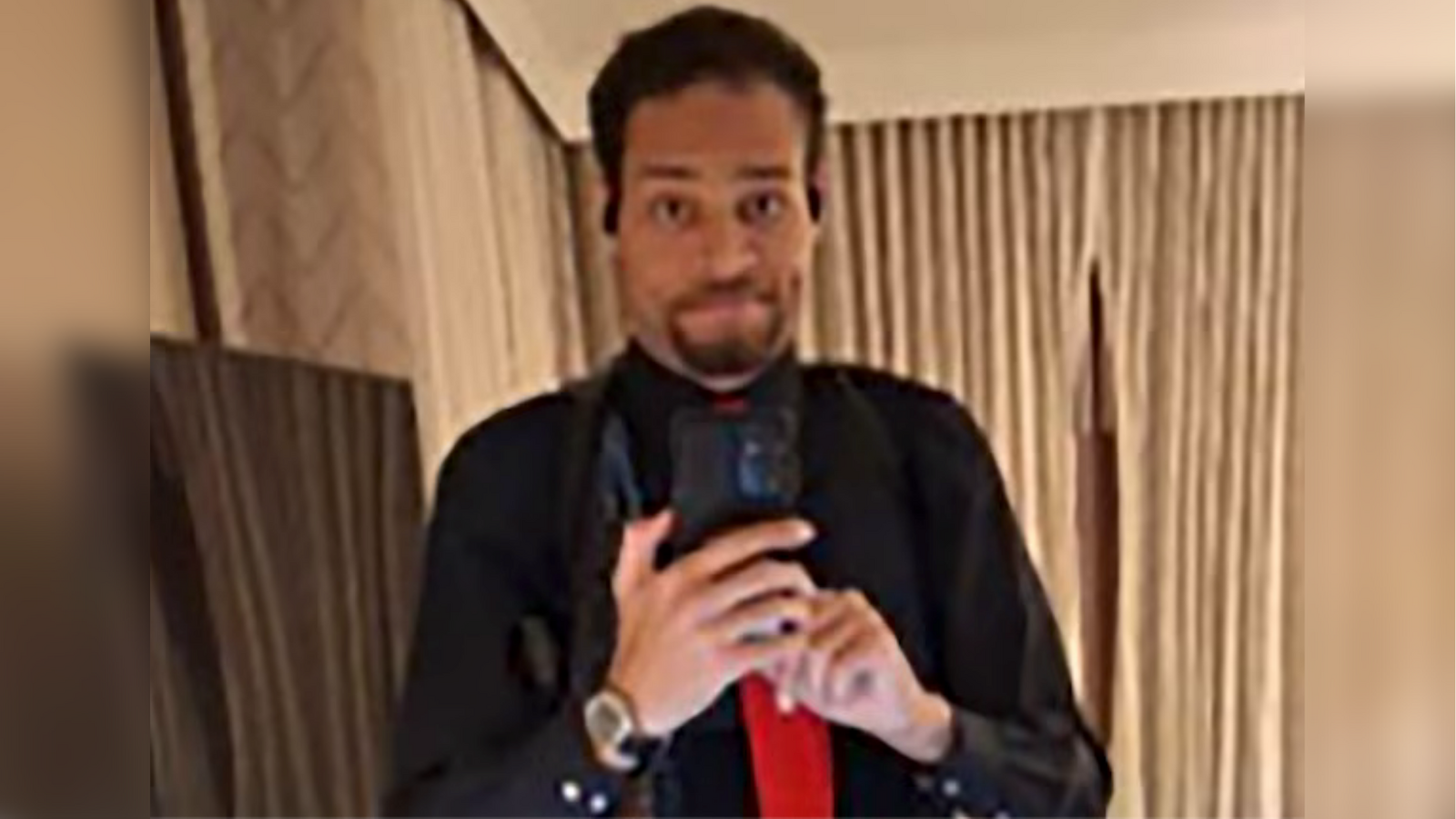
The suspect in the white house correspondents dinner shooting is set to remain behind bars as legal proceedings move forward. Cole Allen, 31, agreed during a detention hearing on Thursday to stay in federal detention while his case advances through the court system, according to statements from his own legal counsel. The high-profile incident has reignited national conversations about security at major political gatherings and the legal framework surrounding threats against the President of the United States.
What Happened at the White House Correspondents Dinner
On Saturday night, the annual White House Correspondents’ Association Dinner was underway at the Washington, D.C. Hilton hotel, drawing thousands of journalists, political figures, and dignitaries, including President Donald Trump and members of his Cabinet. What was supposed to be an evening of speeches, satire, and networking quickly turned into a scene of chaos when gunfire erupted inside the hotel.
Cole Allen, a California native, was reportedly carrying a shotgun, a pistol, and multiple knives when he was tackled by law enforcement. Although Allen did not reach the ballroom where the dinner was taking place, the situation could have ended in tragedy. A member of the U.S. Secret Service was struck during the exchange of fire, but the agent’s protective vest absorbed the bullet, preventing what could have been a fatal outcome.
Suspect’s Charges
Allen faces three felony counts in connection with the incident:
- Attempted assassination of the President of the United States
- Transportation of a firearm and ammunition across state lines with the intent to commit a felony
- Discharge of a firearm during a crime of violence
He has not yet entered a plea and is scheduled to return to court on May 11. During Thursday’s hearing, Allen appeared in an orange jail jumpsuit and remained visibly calm. He did not speak during the proceedings.
U.S. Attorney Jeanine Pirro Speaks Out
U.S. Attorney for the District of Columbia Jeanine Pirro provided significant detail about the case during an interview with Fox News on Thursday. According to Pirro, evidence strongly suggests that Allen discharged his 12-gauge shotgun during the incident. She explained that the spent cartridge was still inside the weapon when it was recovered.
“We know he fired off that 12-gauge shotgun one time,” Pirro stated. “The cartridge was still in the weapon. He fired that gun in the direction of the Secret Service officer.”
Pirro also revealed that the Secret Service agent responded with five rounds of his own, a figure she confirmed based on the number of bullets missing from the agent’s firearm. She emphatically denied speculation that the agent might have accidentally shot himself.
Additional Charges Expected
Prosecutors have indicated that Allen will face additional charges as the investigation continues. Pirro also confirmed that investigators are actively searching for any individuals Allen may have threatened by name, suggesting that the scope of the alleged plot could extend beyond the events at the hotel itself.
The Prosecution’s Case
Federal prosecutors filed a detention memo a day before the hearing, urging a judge to keep Allen in custody pending trial. Their filing painted a chilling picture of what they described as a premeditated assassination plan.
“The defendant attempted to kill the President of the United States, Donald J. Trump. The crimes with which the defendant is charged are among the most serious in the United States Code, and the evidence of his guilt is overwhelming,” prosecutors wrote in the filing.
In a section of the court records titled “The Defendant’s Assassination Plan,” prosecutors cited writings in which Allen allegedly outlined his intentions to target top members of the Trump administration. The memo referenced a prescheduled email that Allen reportedly sent to his employer just minutes before launching the attack.
The Resignation Email
In the email, Allen allegedly wrote: “Consider me to be submitting my resignation effective immediately (if it matters.)” He also reportedly apologized for his “unprofessionality” in the same message, according to the pretrial detention memo filed in federal court on Wednesday.
The prescheduled nature of the email strongly suggests that Allen anticipated his actions would lead to severe consequences, and he took steps to formally end his employment before carrying out the alleged attack.
Defense Questions the Evidence
In an overnight court filing, Allen’s defense attorneys raised pointed questions about what evidence the government actually possesses to definitively conclude that Allen fired his weapon. This line of defense could potentially become central to the case as it progresses through the legal system.
The defense’s challenge highlights the importance of forensic evidence in such high-stakes cases, including ballistics testing and weapon analysis. Pirro acknowledged that officials are still awaiting official ballistics test results, though she expressed confidence in the prosecution’s position.
Allen’s Employer Responds
C2 Education, the tutoring company where Allen purportedly worked, issued a public statement on Sunday addressing the incident. The company expressed shock at the news and pledged full cooperation with law enforcement investigators.
“We were shocked to hear the news of the horrifying incident that transpired at the White House Correspondents’ Dinner,” the company said in its statement. “We are cooperating fully with law enforcement to assist them in their investigation. Violence of any kind is never the answer.”
C2 Education notably omitted any specific details about Allen’s tenure or work history with the company, likely at the advice of legal counsel given the ongoing investigation.
Security Implications and Broader Context
The white house correspondents dinner shooting has raised serious questions about security protocols at high-profile political events. Each year, the dinner draws a who’s who of Washington’s political and media elite, making it both a celebrated tradition and an inherently high-risk target.
Law enforcement agencies, including the Secret Service, typically implement extensive security measures for such events. The fact that an armed individual was able to enter the hotel and discharge a weapon before being apprehended has prompted reviews of security procedures and emergency response protocols.
A Nation on Edge
This incident is part of a broader pattern of security concerns and threats against political figures and events in recent years. The charges Allen faces,particularly attempted assassination of the President,carry some of the most severe penalties under U.S. federal law. If convicted, he could face decades in prison.
The targeting of the President at a public event, even one as heavily attended as the correspondents’ dinner, underscores the persistent security challenges facing the United States. It also serves as a stark reminder of the bravery displayed by Secret Service agents who put their lives on the line to protect the nation’s leaders.
Looking Ahead
As the case moves forward, several key questions remain unanswered. Prosecutors have indicated that additional charges are likely, and investigators continue to search for any co-conspirators or additional targets. The defense has signaled its intention to challenge the prosecution’s evidence, particularly regarding whether Allen actually fired his weapon.
Allen’s next court appearance is scheduled for May 11, when he will have the opportunity to enter a formal plea and where his legal team can begin to mount a defense. The case will likely draw significant media attention as it progresses, given the high-profile nature of the event and the gravity of the charges involved.
The Path Through the Courts
Federal cases involving threats against the President follow a structured legal process, beginning with detention hearings and moving through arraignment, discovery, pretrial motions, and ultimately trial. Each phase will be closely scrutinized by the media, legal analysts, and the public.
Given the seriousness of the charges and the potential penalties involved, both prosecution and defense teams are expected to approach every stage of the proceedings with meticulous care. The outcome of this case could have implications for how similar incidents are prosecuted in the future and may influence security protocols at political events nationwide.
Conclusion
The white house correspondents dinner shooting represents a deeply troubling incident that has left the nation’s capital grappling with questions about security, political violence, and the motivations of those who would seek to harm the President. With Cole Allen now formally in federal custody and facing some of the most serious charges in the U.S. legal system, the case is poised to unfold over the coming months with significant legal and societal implications. As investigators continue their work and the courts prepare to examine the evidence, Americans will be watching closely to see how justice is served in this extraordinary case. The bravery of the Secret Service agent who was shot,and whose protective vest likely saved his life,stands as a sobering reminder of the dangers faced daily by those who protect the nation’s leaders.