
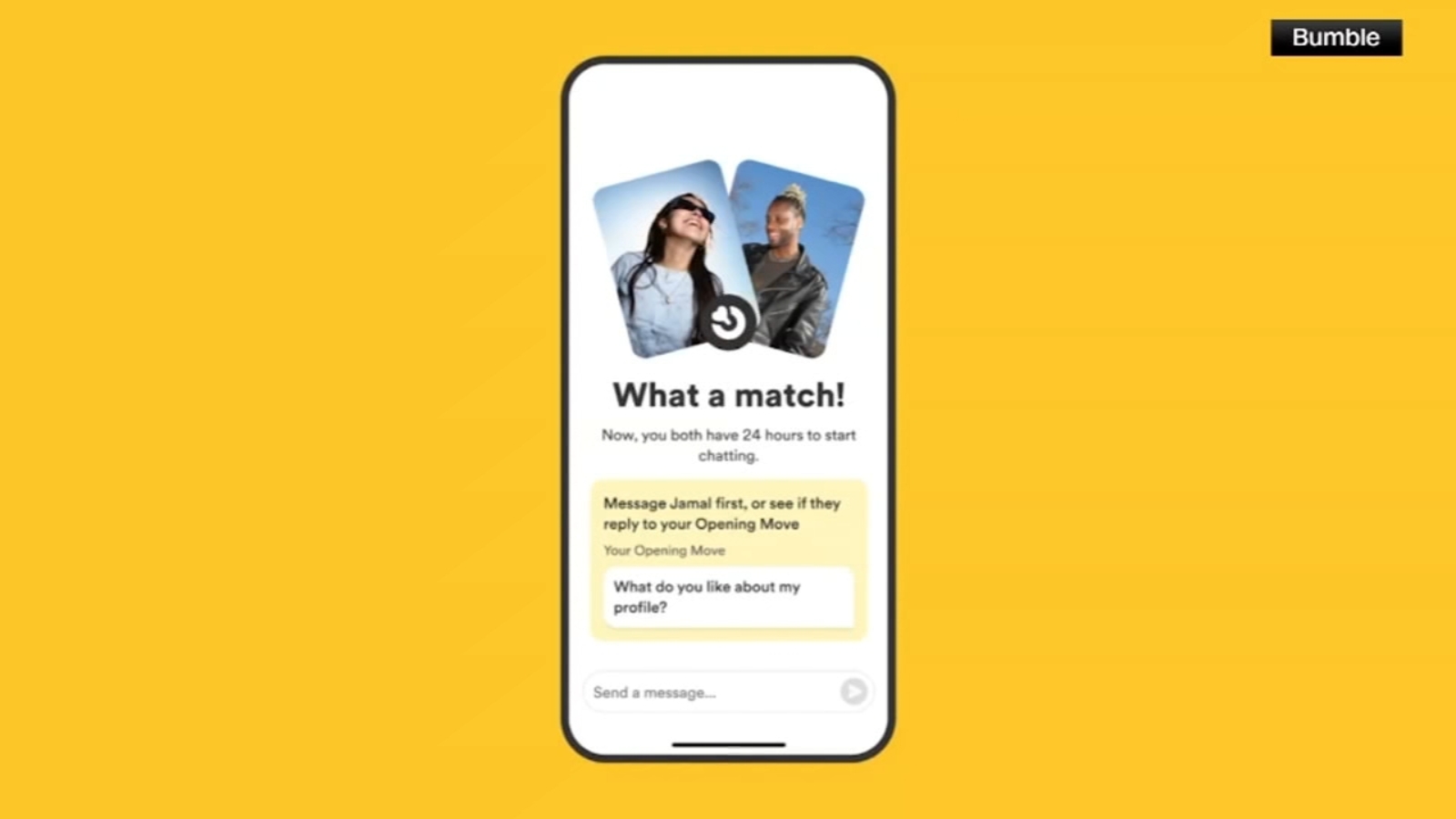
The dating app landscape is about to experience a seismic shift as bumble ai matchmaking takes center stage. In a bold move announced in 2025, Bumble has revealed plans to phase out its iconic swipe feature and replace it with an AI-powered matchmaking system. This transition marks one of the most significant changes in the app’s history and signals a broader transformation in how technology shapes romantic connections. The introduction of an AI assistant named Bee promises to redefine the user experience, offering more personalized and meaningful matches than ever before.
The End of an Era: Bumble Phases Out the Swipe
For nearly a decade, swiping has been synonymous with online dating. Whether it was swiping right to express interest or left to pass, the gesture became so ingrained in popular culture that it influenced how people think about attraction itself. Bumble, however, has decided to retire this familiar mechanic in favor of a more sophisticated approach driven by artificial intelligence.
The decision to eliminate the swipe feature represents a dramatic departure from the app’s original design. Since its founding, Bumble distinguished itself from competitors by requiring women to send the first message after a mutual match. Now, the company is reimagining the entire matching process from the ground up. Rather than relying on rapid-fire judgments based on photos alone, the new system encourages users to share deeper information about themselves, allowing the AI to make more thoughtful compatibility assessments.
Why Bumble Is Making This Change
The shift away from swipe-based interactions comes in response to widespread user fatigue with superficial browsing. Many daters have expressed frustration with the gamified nature of swiping, noting that it often leads to mismatched connections and burnout. Bumble’s leadership has acknowledged these concerns and positioned the AI matchmaking system as a solution designed to foster more genuine and lasting connections.
Additionally, the company recognizes that artificial intelligence has advanced to a point where it can analyze far more nuanced data than simple profile photos. By processing detailed user inputs about hobbies, values, lifestyle preferences, and relationship goals, the AI can identify patterns and suggest matches with greater precision than traditional swipe algorithms ever could.
Meet Bee: Bumble’s AI Matchmaking Assistant
At the heart of this transformation is Bee, Bumble’s newly introduced AI assistant. Bee serves as a conversational guide that helps users articulate who they are and what they seek in a partner. Rather than passively waiting for users to fill out static profile fields, Bee engages them in interactive exchanges to gather rich data points that inform the matchmaking process.
This AI-driven approach to dating allows for a level of personalization that was previously impossible. Bee can ask follow-up questions, clarify ambiguous responses, and adapt its prompts based on individual user input. The result is a dynamic profile-building experience that captures the multidimensional nature of human personality and desire.
How Bee Works Behind the Scenes
Once Bee has gathered sufficient information from a user, the AI processes this data alongside behavioral signals collected throughout the user’s time on the platform. The system considers factors such as:
- Hobbies and interests that users actively pursue
- Communication styles and preferred conversation topics
- Relationship goals, whether casual dating, long-term commitment, or friendship
- Lifestyle compatibility, including work schedules, social preferences, and values
- Personality traits inferred from user responses and interactions
Using this comprehensive dataset, Bee generates match suggestions that go beyond surface-level attraction. The goal is to connect people who not only find each other appealing but who also share compatible lifestyles and long-term aspirations.
A New Era of Conversation on Bumble
Perhaps one of the most surprising announcements accompanying the AI matchmaking rollout is the removal of Bumble’s signature rule requiring women to send the first message. This policy, which helped differentiate Bumble when it launched, is being retired in favor of a more flexible communication model. Now, either party in a match can initiate conversation, creating a more egalitarian dynamic.
This change reflects evolving attitudes about gender roles in dating and acknowledges that the original rule, while empowering for some women, felt restrictive or outdated to others. By opening up the conversation initiation process, Bumble hopes to reduce friction and encourage more organic interactions between matches.
What This Means for User Experience
The combined changes,the end of swiping, the introduction of Bee, and the relaxation of message rules,create a fundamentally different user journey. Instead of scrolling through endless profiles and making split-second decisions, users will engage in a more deliberate process. They’ll have conversations with Bee, receive curated match suggestions, and then communicate with potential partners without artificial constraints on who speaks first.
For long-time Bumble users, this transition may require a period of adjustment. The swipe was intuitive and required minimal effort, whereas the new system demands more active participation in profile creation. However, the trade-off is a higher likelihood of meaningful connections and less time wasted on incompatible matches.
The Broader Implications for the Dating App Industry
Bumble’s pivot toward AI-driven matchmaking is likely to influence the broader dating app ecosystem. Competitors have been experimenting with similar technologies, but Bumble’s commitment to fully replacing swipe-based interaction sets a bold precedent. Other platforms may feel pressure to follow suit or risk appearing outdated in comparison.
This shift also raises important questions about the role of algorithms in shaping human relationships. While AI can process vast amounts of data and identify patterns that humans might miss, there is an inherent risk in outsourcing romantic decision-making to a machine. Critics argue that algorithmic matchmaking can reinforce biases, limit serendipity, and reduce the role of gut instinct in attraction.
Proponents counter that traditional swipe-based dating has its own well-documented problems, including choice paralysis, superficial judgments, and disappointing real-life meetings. If AI can mitigate even some of these issues, the trade-off may be worthwhile.
Privacy and Data Considerations
The introduction of an AI assistant like Bee also brings privacy considerations to the forefront. To deliver accurate match suggestions, the system must collect and analyze extensive personal information. Users will need to trust that Bumble handles this data responsibly and uses it solely for its intended matchmaking purposes.
Bumble has indicated that user privacy remains a top priority, but the very nature of detailed AI profiling makes transparency essential. Clear communication about what data is collected, how it is processed, and what safeguards are in place will be critical for maintaining user trust throughout this transition.
What Users Should Expect During the Transition
The rollout of Bumble’s new AI matchmaking system is expected to be gradual, giving users time to adapt to the changes. During this transition period, the company will likely offer educational resources to help users understand how to interact with Bee and maximize the benefits of the new system.
Users who have built profiles based on the swipe format may need to revisit and expand their information to give the AI sufficient data to work with. Those who previously relied heavily on photo-based judgments will need to embrace a more holistic approach to evaluating potential matches. The learning curve may be steep for some, but early adopters of AI-driven dating platforms report higher satisfaction with the quality of their matches.
Tips for Adapting to AI Matchmaking
For those preparing to navigate this new era of online dating, consider the following strategies:
- Be honest and thorough when interacting with Bee. The AI can only suggest good matches if it has accurate information to work with.
- Embrace vulnerability by sharing genuine interests and values rather than curating an idealized version of yourself.
- Stay open-minded about match suggestions that may not fit your usual type but align with your stated preferences.
- Engage actively with the platform and provide feedback on match quality to help the AI refine its suggestions over time.
- Communicate openly with matches, taking advantage of the new flexibility in conversation initiation.
The Future of Digital Romance
Bumble’s decision to embrace AI matchmaking represents more than just a product update,it signals a philosophical shift in how we approach romantic connection in the digital age. By moving away from the rapid, superficial nature of swipe culture, the platform is betting that users are ready for a more thoughtful, intentional approach to finding love.
This transformation aligns with broader trends in technology, where artificial intelligence is increasingly being deployed to solve complex human problems. From healthcare to education, AI is helping people make better decisions, and romance is a natural extension of this evolution. Whether Bumble’s bet pays off will depend on how well the technology is executed and how receptive users are to relinquishing some control over the matching process.
As the dating app industry continues to evolve, one thing is clear: the era of mindless swiping is giving way to a new paradigm where algorithms work alongside human intuition to create deeper, more meaningful connections. Bumble is positioning itself at the forefront of this movement, and its success or failure will likely shape the trajectory of online dating for years to come.
Final Thoughts
The announcement of Bumble’s AI matchmaking system and the end of the swipe feature marks a pivotal moment in the history of online dating. With Bee guiding users through a more personalized matchmaking journey and the removal of restrictive messaging rules, Bumble is reimagining what it means to connect with potential partners in a digital space. While challenges around privacy, user adoption, and algorithmic bias remain, the potential rewards of more compatible and lasting connections make this transition a bold and worthwhile endeavor. As users prepare to embrace this new chapter, the future of dating looks less like a game and more like a guided journey toward authentic compatibility.