
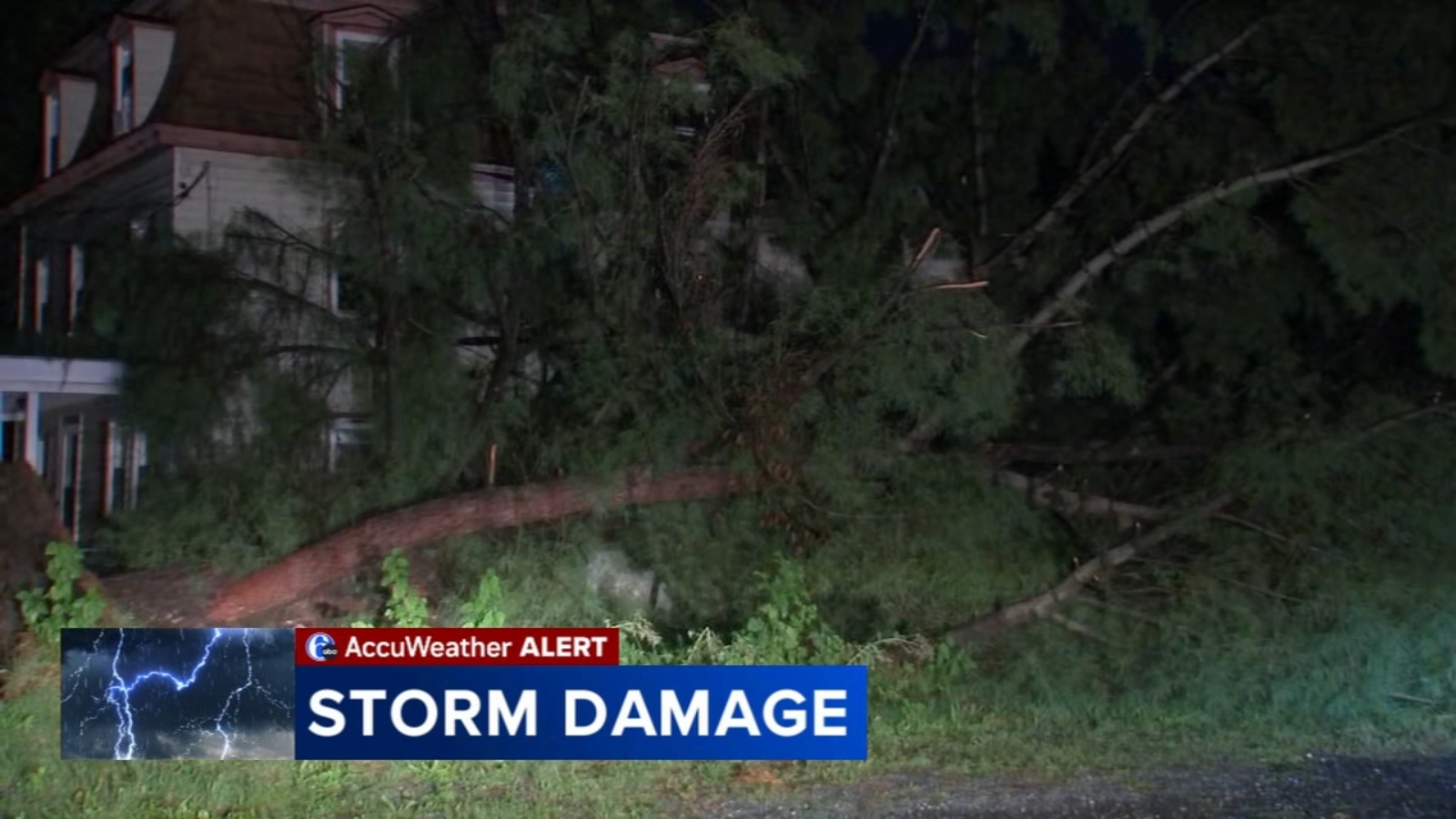
When severe storms rolled across the Philadelphia region on Tuesday night, residents experienced a dramatic display of nature’s power. Powerful winds, pounding rain, and lightning swept through neighborhoods in Pennsylvania, New Jersey, and Delaware, leaving a trail of downed trees, power outages, and disrupted lives in their wake. From suburban streets to a packed concert venue, the impact of the fast-moving weather system was felt far and wide, prompting emergency warnings and forcing thousands of people to take shelter.
The storms arrived with little warning for many, creating conditions that ranged from inconvenient to genuinely dangerous. As cleanup crews mobilized and officials began assessing the damage on Wednesday morning, the full scope of the destruction was just beginning to come into focus. Here is a detailed look at how the severe storms unfolded across the greater Philadelphia area.
The Storm’s Path Across the Region
The weather system responsible for Tuesday night’s chaos tracked across the mid-Atlantic, dragging with it a cold front that clashed with the warm, humid air mass that had been parked over the region for days. The collision produced the kind of fast-moving, intense thunderstorms that are common during summer’s peak in the Northeast. Within minutes, dark skies replaced daylight, and damaging straight-line winds began snapping branches and toppling trees.
Damage in Wilmington, Delaware
One of the first and most visible signs of trouble emerged in Wilmington, Delaware, where residents reported trees crashing down along Maryland Avenue. The road, a well-traveled corridor in the city, became partially impassable as crews worked to clear debris. Neighbors described hearing loud cracking sounds as mature trees,some decades old,gave way under the force of the wind. In addition to blocking roadways, the falling trees damaged vehicles and property, though no serious injuries were reported in the city.
Gloucester County Takes a Direct Hit
Across the Delaware River in South Jersey, Gloucester County bore a significant portion of the storm’s fury. Emergency management officials confirmed that first responders were dispatched to dozens of calls throughout the evening, ranging from downed trees and power lines to more serious incidents involving trees crashing into homes and other structures.
In Mantua Township, the situation grew particularly tense when a large tree came down directly onto a residence, briefly trapping two residents inside. Firefighters and emergency medical personnel responded quickly, working to extract the occupants safely. While the extent of any injuries remained unclear in the immediate aftermath, authorities indicated that both individuals were able to exit the home with assistance from first responders.
County officials also received reports of at least some collapsed structures, though investigations into the exact nature and extent of those failures were still underway as of Wednesday morning. The widespread nature of the calls prompted Gloucester County leaders to issue a strong recommendation that residents stay home whenever possible to allow cleanup crews to work efficiently and safely.
Tornado Warning Issued for Burlington County
Around 9:20 p.m., the National Weather Service escalated its alert status by issuing a tornado warning for portions of Burlington County, New Jersey. The warning, which indicates that a tornado has been sighted or detected on radar, sent residents scrambling for safe rooms, basements, and interior shelter spaces. Cell phone alerts buzzed across the county as the storm cell showed rotation on radar imagery.
Fortunately, there were no immediate reports of a confirmed tornado touchdown or significant tornado-related damage in Burlington County. However, the warning itself served as a stark reminder of how quickly conditions can escalate during severe weather events. Meteorologists continued to monitor the storm closely as it pushed eastward, and the warning was eventually allowed to expire as the system weakened.
Bruno Mars Concert Interrupted
Perhaps the most high-profile disruption of the evening occurred at a Bruno Mars concert in South Philadelphia, where thousands of fans had gathered for what was supposed to be an unforgettable night of music. As the storm approached the venue, concert organizers made the decision to temporarily evacuate the audience, prioritizing safety over the show itself.
Attendees were guided to designated shelter areas within the venue complex, where they waited out the worst of the weather. Social media quickly filled with posts from concertgoers describing the experience, with many expressing disappointment at the interruption but also appreciation for the venue’s swift response. The evacuation order came at a critical moment,just as conditions outside had become genuinely dangerous, with lightning visible across the skyline and wind gusts intensifying.
While the exact duration of the delay varied, the concert ultimately resumed once the immediate threat had passed, allowing Bruno Mars and his fans to finish out the evening. The event served as a powerful illustration of how severe weather can disrupt even the most carefully planned gatherings, and how important it is for venues of all sizes to have robust emergency protocols in place.
Emergency Response and Cleanup Efforts
As the storms moved offshore and the skies gradually cleared, emergency crews across the region shifted their focus from response to recovery. Utility companies deployed line workers to address the widespread power outages, while public works teams began clearing roadways blocked by fallen trees and debris. In Gloucester County, officials urged patience as they coordinated the multi-agency effort required to restore normalcy.
Storm damage of this magnitude typically requires several days of concentrated work to fully address. Beyond the immediate concerns of downed power lines and impassable roads, inspectors must also evaluate structures that may have sustained hidden damage, assess the stability of remaining trees, and ensure that any gas leaks or other secondary hazards are identified and resolved.
By Tuesday night, no serious injuries had been reported across the affected areas,a fortunate outcome given the intensity of the storm and the number of incidents logged. Emergency officials credited public awareness of severe weather safety guidelines, along with timely warnings and responsive evacuation procedures, for helping keep residents out of harm’s way.
Staying Safe During Severe Weather
Tuesday night’s events underscore the importance of taking severe storms seriously, even when the forecast appears uncertain. Here are some essential safety tips to keep in mind during fast-moving weather events:
- Monitor alerts: Sign up for wireless emergency alerts on your smartphone, and consider investing in a NOAA weather radio for reliable updates when cell service is disrupted.
- Have a plan: Identify the safest location in your home,typically an interior room on the lowest floor,and make sure all family members know where to go when a warning is issued.
- Avoid windows: Flying debris is one of the leading causes of storm-related injuries. Stay away from windows, skylights, and glass doors during high winds.
- Never touch downed power lines: Always assume a downed line is live and dangerous. Report it to your utility company or local emergency services immediately.
- Stay off roads during cleanup: Even after the storm passes, hazards like fallen trees, flooding, and unstable structures can pose serious risks.
Looking Ahead
While the cleanup from Tuesday night’s severe storms will take time, the region’s emergency response systems performed as intended. Warnings were issued in a timely manner, first responders reacted quickly, and residents largely heeded official guidance. As climate patterns continue to shift and extreme weather events become more frequent, these coordinated efforts between meteorologists, emergency managers, and community members will remain essential to protecting lives and property.
For now, residents of Philadelphia, South Jersey, and northern Delaware are left with the familiar tasks of clearing debris, restoring power, and checking on neighbors. The night was a dramatic reminder that severe weather can strike anywhere,and that preparation, awareness, and community cooperation are the best defenses when the skies turn dark.