
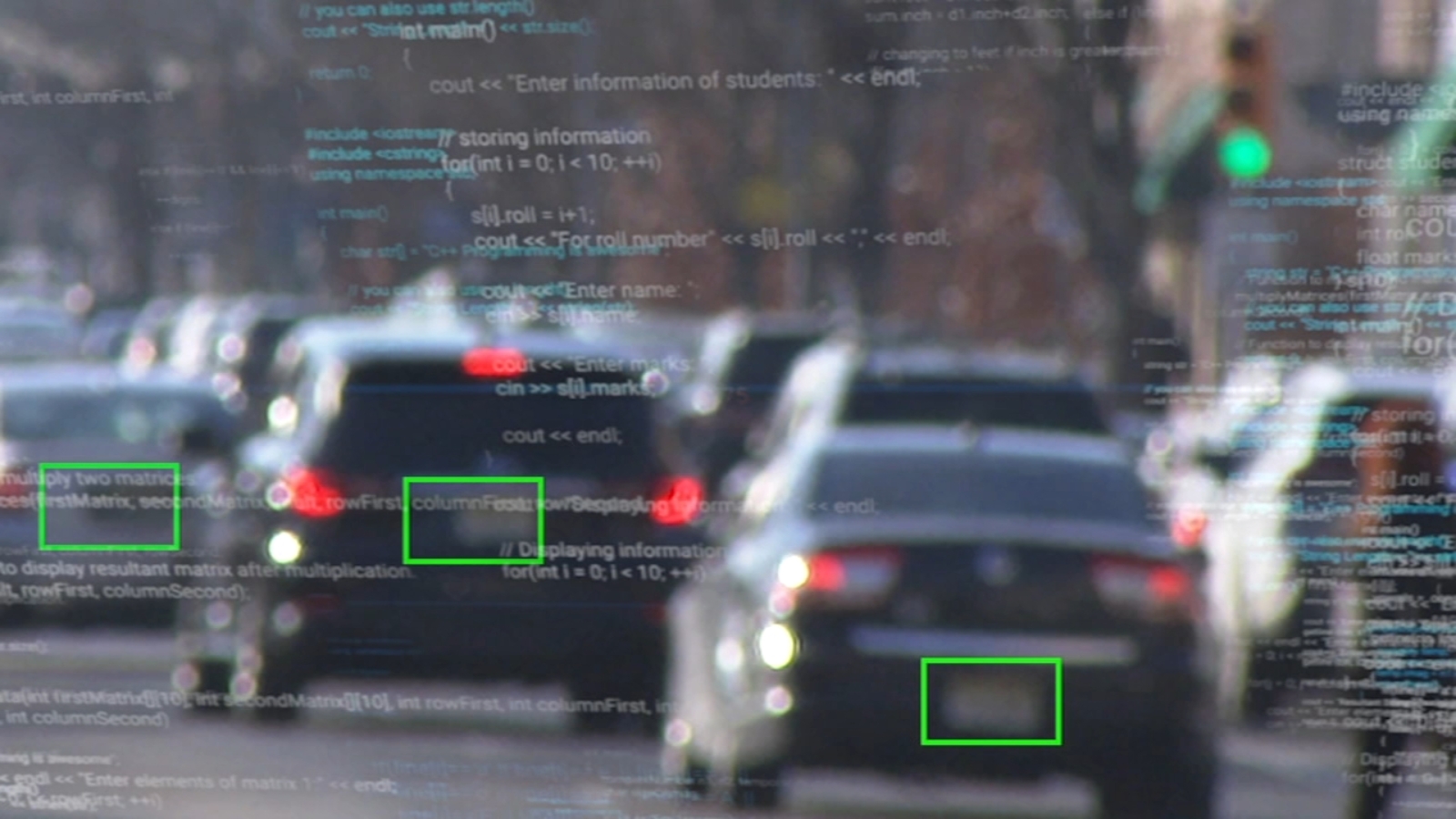
Imagine a police operation where thousands of data points are analyzed in mere seconds, where stolen vehicles are identified almost instantly, and where crime patterns emerge before officers even leave their precincts. This is not science fiction,it’s the current reality of AI in law enforcement, a technological revolution that is transforming how police departments across the country protect and serve their communities.
While artificial intelligence tools have been part of policing for years, recent advances have accelerated at an exponential pace. With both promise and controversy in equal measure, the integration of AI into police work is reshaping the criminal justice landscape in profound ways.
The Evolution of AI in Policing
Police departments didn’t wake up overnight to a fully AI-powered workforce. The integration of artificial intelligence into law enforcement has been gradual, building on decades of computer-assisted tools, data analytics, and surveillance technology. What has changed dramatically is the sophistication, speed, and scope of these systems.
Today, agencies at every level,from small-town departments to federal organizations,are exploring how AI-powered surveillance and analytical tools can enhance their operations. Supporters emphasize efficiency and the ability to process information far beyond human capacity. Critics, however, warn that without proper safeguards, these powerful technologies could undermine civil liberties, introduce bias, and erode public trust.
Real-Time Crime Centers: The Modern Police Nerve Center
One of the most visible applications of AI in law enforcement can be found in Real Time Crime Centers, centralized hubs where officers monitor, analyze, and respond to incidents using advanced technology. Lt. Gordon Harvey of the Camden County Police Department has described their facility as the “nerve center” of daily operations,a fitting metaphor for a place where streams of data converge to inform split-second decisions.
These centers rely on a network of cameras, sensors, and databases, all working together to give officers unprecedented situational awareness. By aggregating information from multiple sources, crime centers help law enforcement spot patterns, identify suspects, and deploy resources more effectively.
License Plate Recognition and Beyond
Perhaps the most widespread application of AI in policing today is automated license plate recognition, commonly called LPR technology. Fixed and mobile cameras capture license plate images throughout a jurisdiction, and AI algorithms compare those images against databases of wanted vehicles, stolen cars, and vehicles associated with investigations.
The efficiency is staggering. Where an officer might manually check a handful of plates per hour, AI-driven license plate recognition systems can process thousands of images in seconds. As Lt. Harvey noted, the technology functions like finding a needle in a haystack,except now, the needle practically illuminates itself on the screen.
Beyond license plates, these systems are being deployed to address a range of community issues, including illegal dumping. Cameras can identify vehicles committing environmental crimes, flag them in the system, and allow officers to intercept offenders shortly after the act.
Emerging AI Tools in Law Enforcement
The current wave of AI adoption extends far beyond license plate readers. According to Dr. Steve Morreale, a former DEA agent, retired police officer, and author of “Leading Police with AI,” several emerging technologies are reshaping the field:
- Robotics for forced entries: Robotic systems allow officers to breach doors or secure areas without exposing personnel to direct danger.
- Facial recognition software in public settings: Cameras equipped with facial recognition technology can match individuals against watchlists in real time.
- Drones acting as First Responders: Unmanned aerial vehicles can be dispatched to emergency scenes, providing aerial views and intelligence before officers arrive on the ground.
Each of these tools offers compelling advantages for officer safety and operational effectiveness. Drones, for instance, can scout dangerous situations, locate fleeing suspects, or find missing persons with remarkable speed. Robotics can defuse explosives or open doors during hostage scenarios. Together, these technologies represent a new frontier in smart policing.
The Promise: Efficiency and Crime Reduction
Proponents of AI in policing are quick to highlight the tangible benefits. Dr. Morreale, who hosts the popular CopDoc podcast and teaches the next generation of law enforcement leaders, is unequivocal: “AI is the future without question.”
The argument for adoption centers on several key advantages:
- Speed: AI processes information at rates no human team could match.
- Accuracy: Properly trained systems can identify patterns and anomalies that even experienced officers might miss.
- Resource optimization: Departments can deploy personnel more strategically, focusing human officers where they are most needed.
- Crime prevention: As usage expands and costs decline, advocates predict measurable reductions in crime prevention technology outcomes.
For budget-constrained departments, however, the reality is more complicated. Many of these systems remain cost-prohibitive, creating a potential gap between well-funded metropolitan agencies and smaller, rural departments.
The Concerns: Accountability and Civil Liberties
Despite the enthusiasm of proponents, concerns about AI accountability loom large. Katie Kinsey of The Policing Project, an organization dedicated to ensuring accountability in law enforcement, has voiced a critical concern shared by many civil liberties advocates: the “deploy first, find safeguards later” mentality that often accompanies new technology adoption.
The risks are real and multifaceted:
- Privacy erosion: Continuous surveillance raises questions about the boundaries between public safety and personal privacy.
- Algorithmic bias: AI systems trained on biased data can perpetuate and amplify existing disparities in policing.
- Transparency gaps: Many departments are reluctant to disclose how,or even whether,they use AI, making public oversight difficult.
- Due process concerns: When AI tools flag individuals or vehicles, the basis for those flags is often opaque.
Dr. Morreale himself, while a strong advocate for AI adoption, emphasizes the need for proper guardrails. His philosophy,”people over machine rather than machine over people”,reflects a recognition that technology must serve humanity, not the other way around. He calls for transparency in AI usage, new laws governing deployment, and robust internal policies within police departments.
The Problem of AI Hallucinations
One particularly troubling issue has emerged with the rise of generative AI tools used to write police reports. These systems, designed to save officers time by drafting narrative reports automatically, occasionally “hallucinate”,a term for when AI confidently produces false information.
The implications are serious. If an AI system fabricates details in an official police report, those inaccuracies could end up in court documents, affect the outcomes of cases, or implicate innocent individuals. As Kinsey pointedly noted, “We don’t know the rates at which they’re making up facts in a police report and how to sort of control for that type of error.” Until those rates are understood and controlled, the use of generative AI for report writing remains a significant gamble.
The Path Forward: Balancing Innovation and Oversight
Navigating the future of law enforcement AI ethics requires a careful balance. Innovation should not be stifled by fear, but neither should it outpace the development of safeguards. The most promising path forward includes several key principles:
- Transparent deployment: Departments should publicly disclose which AI tools they use, how those tools work, and what data they collect.
- Independent auditing: Regular third-party reviews can identify bias, errors, and unintended consequences.
- Legislative frameworks: State and federal lawmakers must establish clear rules governing AI in policing, including limits on facial recognition, data retention, and use of automated decisions.
- Pilot programs: As Dr. Morreale suggests, agencies should trial new technologies carefully, evaluating benefits and risks before scaling up.
- Community input: The communities served by police must have a voice in how these technologies are deployed.
Some police departments remain reluctant to discuss their AI usage publicly, often because the topic has become politically charged. Concerns about civil liberties, lawsuits, and public backlash make transparency a sensitive issue. Yet without open conversation, building trust between law enforcement and the communities they serve becomes nearly impossible.
Conclusion
Artificial intelligence is no longer a futuristic concept in policing,it is the present, and it is reshaping law enforcement in real time. From real-time crime centers and license plate readers to drones and facial recognition, the technological toolkit available to officers has expanded dramatically. The promise of greater efficiency, improved officer safety, and reduced crime rates is genuine and compelling.
However, the risks of unchecked AI adoption,bias, privacy erosion, lack of transparency, and the troubling phenomenon of AI hallucinations,demand serious attention. As Dr. Morreale has stressed, the goal should always be people over machine, with robust guardrails ensuring that technology serves justice rather than undermines it.
The future of AI in law enforcement will be shaped by the choices made today. By embracing innovation while insisting on accountability, transparency, and ethical oversight, communities and police departments alike can harness the power of artificial intelligence to build a safer, more just society. The technology is powerful, but how we choose to deploy it will determine whether it becomes a tool for genuine public good or a source of lasting harm.