
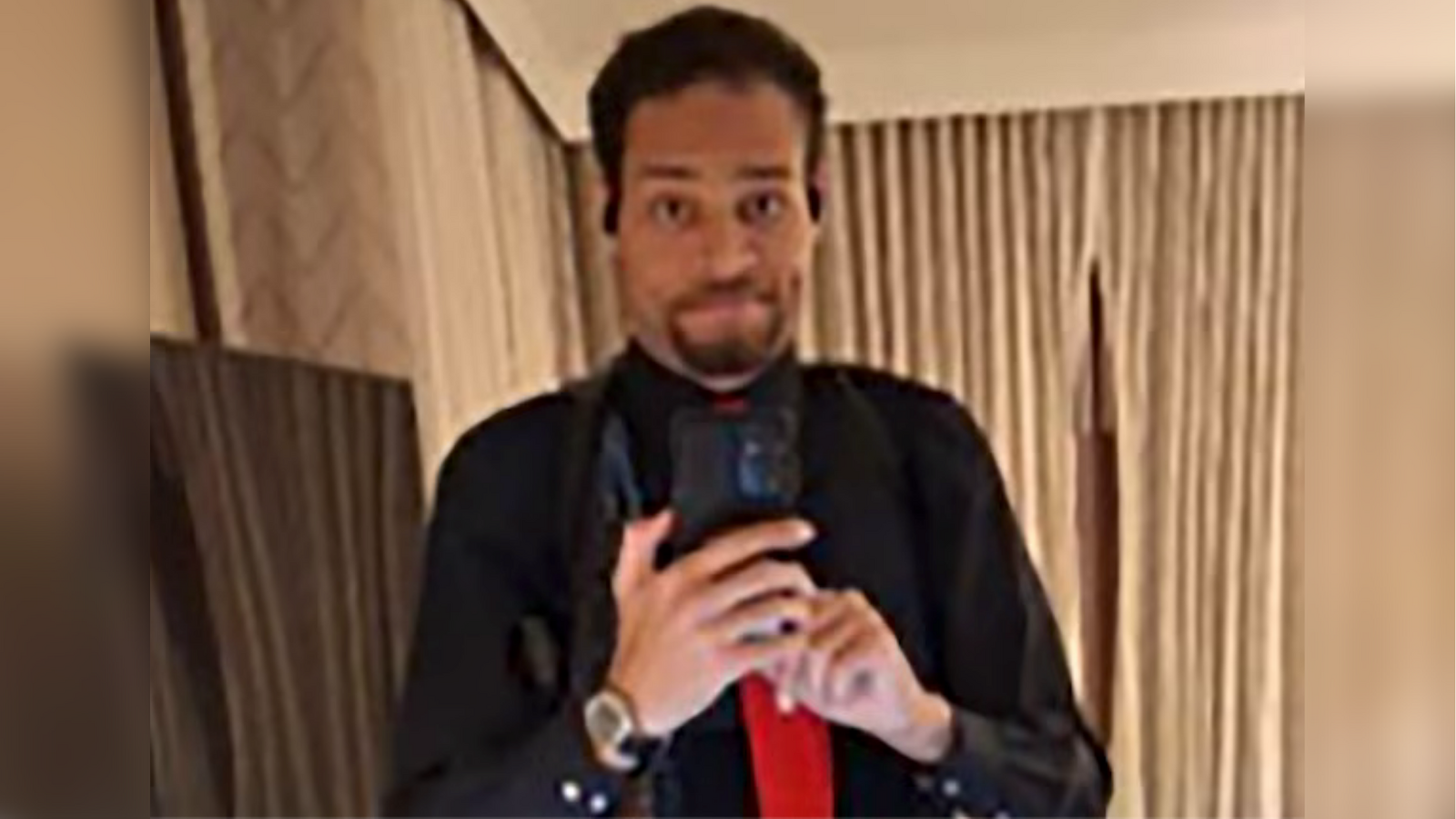
The White House Correspondents Dinner shooting sent shockwaves through the nation when gunfire erupted inside the prestigious Washington, D.C. Hilton hotel during one of the most high-profile media events in the country. Cole Allen, a 31-year-old California native, now faces three serious federal felony charges following what prosecutors describe as a calculated and premeditated assassination attempt on President Donald Trump. The incident, which occurred on a Saturday evening amid a gathering of thousands of journalists, administration officials, and the President himself, has raised urgent questions about security protocols at major political events and the evolving threats facing American democracy.
The Night Everything Changed at the Washington Hilton
The annual White House Correspondents’ Association Dinner has long been considered a cornerstone of political journalism in America, drawing media elites, Hollywood celebrities, and top government officials to a single venue. This year, the event at the Washington Hilton hotel was no exception, with President Trump and members of his Cabinet in attendance alongside thousands of journalists. What unfolded that night, however, transformed a celebratory evening into a scene of chaos and terror.
According to law enforcement officials, Allen was carrying a loaded shotgun, a pistol, and multiple knives when he was tackled and subdued by security personnel inside the hotel. Investigators confirmed he did not reach the ballroom where the dinner was actively underway. During the confrontation, a Secret Service agent was struck by gunfire, though the bullet was stopped by the agent’s protective vest, preventing what could have been a far more devastating outcome.
Inside the Confrontation
U.S. Attorney for the District of Columbia Jeanine Pirro provided critical details about the exchange that night, emphasizing the gravity of what occurred. In an interview with Fox News, she confirmed that Allen discharged his 12-gauge shotgun once during the incident, with the spent cartridge still visible in the weapon afterward. The targeted Secret Service officer responded by firing five rounds, a detail corroborated by the number of bullets remaining in his service weapon.
- Allen fired a single round from a 12-gauge shotgun
- The Secret Service agent returned fire with five shots
- A bullet struck the agent’s bulletproof vest
- The suspect was apprehended before reaching the ballroom
- President Trump and Cabinet members were inside the event
Cole Allen: Background and Federal Charges
The suspect in the White House Correspondents Dinner shooting stands accused of committing one of the most serious offenses in the United States legal system. Cole Allen, age 31, faces an extraordinary combination of federal felony charges, including:
- Attempted assassination of the President of the United States
- Transportation of a firearm and ammunition across state lines with intent to commit a felony
- Discharge of a firearm during a crime of violence
These charges carry some of the harshest penalties under federal law, reflecting the severity with which prosecutors view the alleged actions. Pirro has publicly stated that Allen will face additional charges as the investigation continues, and her office is actively searching for any individuals Allen may have threatened by name during his planning phase.
The Assassination Plan Detailed in Court Documents
Federal prosecutors filed a pretrial detention memo that paints a chilling portrait of the suspect’s alleged intentions. Under a section of the filing titled “The Defendant’s Assassination Plan,” prosecutors referenced Allen’s writings in which he allegedly outlined a detailed strategy to target senior members of the Trump administration. According to court documents, the plan was not impulsive but carefully conceived over an extended period.
Perhaps most disturbing was the revelation that Allen sent a prescheduled email to his employer, C2 Education, just minutes before launching the attack. The email, described in the detention memo, allegedly contained a message in which Allen apologized for his “unprofessionality” and submitted his resignation effective immediately. The prescheduled nature of the message strongly suggests premeditation, indicating that the suspect anticipated the consequences of his actions before carrying them out.
The Detention Hearing and Legal Proceedings
Allen appeared before a federal judge on Thursday for his detention hearing, dressed in an orange jail jumpsuit and displaying a calm demeanor throughout the proceedings. He did not speak during the hearing, but his attorney confirmed that the suspect conceded to remain detained while his case moves through the legal system. He has not yet entered a formal plea and is scheduled to return to court on May 11.
Prosecutors’ Argument for Continued Custody
In their detention memo filed on Wednesday, federal prosecutors made an emphatic case for holding Allen without bail. Their written argument was stark and direct:
“The defendant attempted to kill the President of the United States, Donald J. Trump. The crimes with which the defendant is charged are among the most serious in the United States Code, and the evidence of his guilt is overwhelming.”
This language underscores the prosecution’s confidence in their case and the extraordinary nature of the alleged offense. U.S. Attorney Pirro reinforced this position publicly, stating that investigators believe Allen was “calculated,” “premeditated,” and that he “had every intention of killing the president and anyone who got in his way.”
Questions About the Evidence
Despite the prosecution’s confident stance, Allen’s defense attorneys have begun scrutinizing the evidentiary foundation of the case. In an overnight court filing, his legal team raised pointed questions about what specific evidence the government possesses to confirm that Allen actually fired his weapon during the incident. This development hints at potential defense strategies that could emerge as the case progresses through the courts.
The Response from C2 Education and the Broader Community
C2 Education, the tutoring company where Allen reportedly worked, issued a public statement expressing shock at the incident and pledging full cooperation with law enforcement. The company’s response, while brief, conveyed the disbelief felt by those who knew the suspect professionally.
“We were shocked to hear the news of the horrifying incident that transpired at the White House Correspondents’ Dinner,” the company stated. “We are cooperating fully with law enforcement to assist them in their investigation. Violence of any kind is never the answer.”
The statement notably omitted specific details about Allen’s work history or tenure with the company, a careful decision likely intended to avoid prejudicing the ongoing investigation while respecting the privacy of those who may have interacted with the suspect professionally.
Security Implications and National Concerns
The attempted assassination at the White House Correspondents’ Dinner has reignited critical conversations about security protocols at high-profile political gatherings. The fact that an armed individual was able to bring multiple weapons into a venue hosting the President of the United States and his Cabinet has prompted serious scrutiny from security experts, lawmakers, and the public.
Law enforcement officials have been tight-lipped about specific security failures, but the incident has already prompted calls for comprehensive reviews of how venues hosting presidential events are screened and protected. The White House Correspondents Dinner shooting represents a disturbing escalation in attempts to target political figures at public events, and the investigation’s findings will likely shape security policies for years to come.
Looking Ahead: The Path Through the Justice System
As Allen’s case advances toward trial, several key developments are likely to unfold in the coming weeks and months. Investigators continue to search for any co-conspirators or individuals Allen may have communicated with during his planning phase. The official ballistics test, still pending at the time of the detention hearing, will provide crucial forensic confirmation of the events inside the hotel. Additionally, prosecutors are reportedly preparing to file additional charges as their investigation expands.
The May 11 court date will serve as the next major milestone in the legal proceedings, potentially offering further insight into the defense strategy and the full scope of evidence the government intends to present. Given the severity of the charges and the national attention on the case, this prosecution is expected to be thorough, high-profile, and consequential.
Conclusion
The White House Correspondents Dinner shooting stands as one of the most alarming security breaches in recent American political history, bringing together elements of presidential protection, weapons trafficking, and alleged ideological violence in a single tragic incident. Cole Allen now faces the full weight of the federal justice system, with prosecutors alleging that his actions represented a calculated and premeditated assassination plan against the President of the United States. While the swift response by Secret Service personnel and other law enforcement prevented an even greater catastrophe, the event underscores persistent vulnerabilities and the importance of vigilance in protecting democratic institutions. As the legal process unfolds and investigators continue piecing together the full scope of what occurred that night, the nation watches closely, hoping for accountability, justice, and renewed commitment to safeguarding its leaders and the principles they represent.