
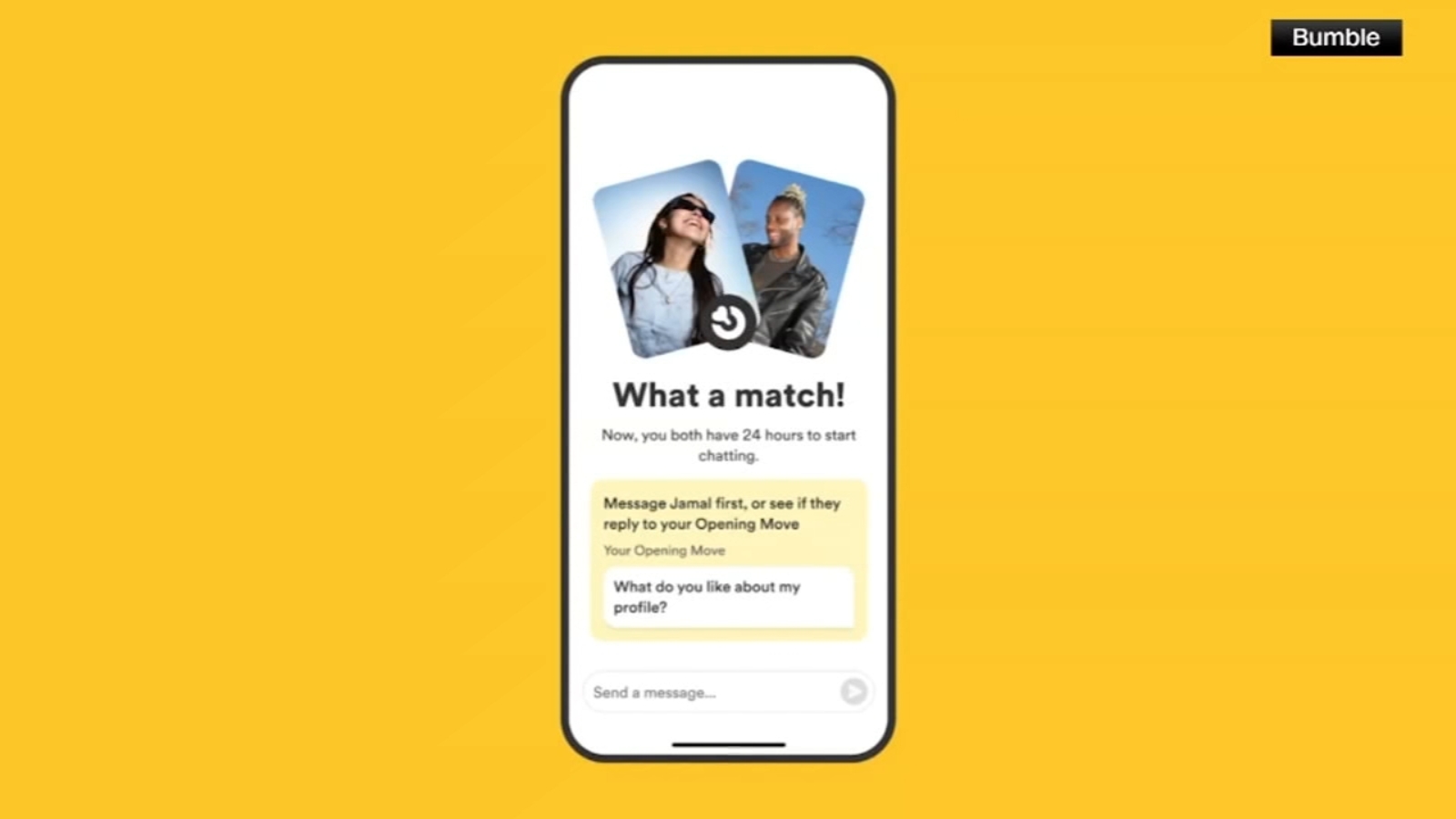
The dating world is experiencing one of its biggest transformations in years. Bumble, the popular dating app known for empowering women to make the first move, has announced a major pivot away from its iconic swipe-based interface. Instead, the company is betting on bumble ai matchmaking powered by a new AI assistant called Bee. This shift signals a broader movement within the online dating industry, where artificial intelligence is rapidly reshaping how people connect, communicate, and find compatible partners.
In this article, we’ll explore everything you need to know about Bumble’s bold new direction,what Bee is, why the company is retiring the swipe feature, and what these changes mean for millions of users worldwide.
What Is Bumble’s AI Assistant Bee?
Bee is Bumble’s newly introduced AI-driven assistant designed to revolutionize the way users find romantic connections. Rather than relying on quick visual judgments made by flicking a finger across a screen, Bee takes a more thoughtful, personalized approach to matchmaking.
According to Bumble, Bee functions as an intelligent companion that learns from each user’s preferences, behaviors, and personal details. By processing this information, the AI can suggest potential matches that align more closely with individual hobbies, values, and lifestyle choices. This represents a fundamental departure from the traditional dating app model, which has long prioritized physical appearance and split-second decisions.
The introduction of Bee positions Bumble at the forefront of the ai dating assistant movement, joining a growing number of platforms experimenting with artificial intelligence to improve user outcomes.
How Bee Works Behind the Scenes
Bee uses machine learning algorithms to analyze user data in ways that go far beyond surface-level profile information. Here’s a glimpse into how the technology operates:
- Profile enrichment: Users can now share more detailed information about themselves, including hobbies, interests, relationship goals, and personal preferences.
- Pattern recognition: The AI identifies patterns in user behavior, learning what types of profiles generate meaningful interactions.
- Smart suggestions: Rather than presenting an endless stream of profiles, Bee curates a smaller selection of highly compatible matches.
- Conversation support: Bee may also assist users in crafting messages or breaking the ice with potential matches.
This level of personalization is something the swipe model simply couldn’t achieve. By leaning into AI-driven matchmaking, Bumble hopes to create deeper, more meaningful connections from the very first interaction.
Why Is Bumble Ending the Swipe Feature?
For over a decade, the swipe has been synonymous with online dating. Swiping right to express interest and left to pass became a cultural phenomenon, embedded in everything from movies to marketing campaigns. So why would Bumble, one of the most successful swipe-based apps, decide to retire it?
The answer lies in growing concerns about swipe fatigue and the quality of connections formed through rapid-fire profile browsing. Research has repeatedly shown that users often feel overwhelmed by the sheer volume of choices, leading to decision paralysis and burnout. Many daters report that swiping has become a mindless habit rather than a genuine search for connection.
The Problem with Swipe Culture
Swipe-based dating apps have faced criticism for several reasons:
- Superficial judgments: Users make snap decisions based primarily on photos, often overlooking people who might be excellent matches in terms of personality and values.
- Addictive design: The gamified nature of swiping encourages endless scrolling rather than meaningful engagement.
- Match overload: Having too many matches can make it harder to invest time and energy into any single conversation.
- Dating app burnout: Users increasingly report feeling exhausted by the swipe experience and frustrated by low-quality matches.
By removing the swipe and replacing it with AI-curated matchmaking, Bumble aims to address these pain points head-on. The company believes that bumble ai matchmaking will deliver a more intentional, less exhausting dating experience.
The New Rules of Engagement on Bumble
Bumble’s update isn’t just about swapping swipes for AI suggestions. The platform is also making significant changes to how conversations begin between matched users.
Women No Longer Required to Send the First Message
Perhaps the most surprising change is the removal of Bumble’s signature rule that required women to initiate conversations after a match. This rule, which was central to Bumble’s brand identity since its launch in 2014, helped differentiate the app from competitors and appealed to women seeking more control over their dating lives.
However, the company has decided that this requirement may have inadvertently placed too much pressure on women and limited conversations. By allowing either party to send the first message, Bumble hopes to create a more balanced, organic dynamic where conversations develop naturally.
This change reflects Bumble’s evolving philosophy: rather than enforcing rigid rules, the app now wants to leverage technology to facilitate authentic connections on its own.
Enhanced Profile Customization
To make bumble ai matchmaking more effective, users will be prompted to provide richer information about themselves. This goes well beyond the standard age, location, and bio format. The app now encourages users to share:
- Detailed descriptions of their hobbies and interests
- Relationship goals and what they’re looking for in a partner
- Lifestyle preferences and daily routines
- Values and deal-breakers
- Personality traits and communication styles
The more information users provide, the better Bee can tailor its match suggestions. This approach mirrors the trend toward personalized dating experiences that prioritize compatibility over convenience.
What This Means for the Future of Online Dating
Bumble’s decision to ditch the swipe feature in favor of AI-driven matchmaking could have ripple effects across the entire online dating industry. Competitors like Tinder, Hinge, and Match Group have already begun experimenting with AI features, but Bumble is among the first major platforms to fully commit to an AI-first approach.
Industry-Wide Implications
The shift toward ai-powered dating apps suggests several broader trends:
- Quality over quantity: Users are demanding better matches rather than more matches.
- Reduced decision fatigue: AI curation can simplify the dating process and reduce overwhelm.
- Greater emphasis on compatibility: Algorithms can identify deeper compatibility factors than human swipers might notice.
- Evolving gender dynamics: Platforms are rethinking traditional rules around who initiates contact.
Potential Concerns and Considerations
While AI matchmaking offers exciting possibilities, it also raises important questions. Privacy concerns top the list,users must trust that their personal data is being used responsibly and not exploited. Additionally, there’s the question of algorithmic bias: AI systems can sometimes perpetuate existing biases if not carefully designed and audited.
There’s also the risk that over-reliance on AI could make dating feel transactional or impersonal. The human element of romance,spontaneity, serendipity, and unexpected chemistry,may be harder to replicate through algorithms.
How to Make the Most of Bumble’s New AI Features
For users ready to embrace this new era of dating, here are some practical tips to maximize success with bumble ai matchmaking:
- Be thorough with your profile: Take the time to fill out every section. The more Bee knows about you, the better your matches will be.
- Update your preferences regularly: As your life and interests evolve, keep your profile current so the AI can adjust accordingly.
- Trust the process: If you’ve been frustrated with swipe-based dating, give the AI suggestions a genuine chance before forming opinions.
- Stay open-minded: AI may suggest matches you wouldn’t have considered on your own,give them a real shot.
- Engage thoughtfully: When you do match, invest in quality conversations rather than rapid-fire messaging.
Final Thoughts: A Bold New Chapter for Bumble
Bumble’s decision to retire the swipe and introduce the AI assistant Bee marks a pivotal moment in the evolution of online dating. By prioritizing personalized, AI-driven matchmaking over the gamified swipe experience, the company is making a bold bet that users want more substance and less superficiality in their search for love.
Whether this gamble pays off remains to be seen, but one thing is clear: bumble ai matchmaking represents the future of how people will meet, connect, and build relationships in an increasingly digital world. As artificial intelligence continues to mature, we can expect dating apps to become smarter, more intuitive, and more aligned with our individual needs.
For millions of daters tired of endless swiping and shallow connections, Bumble’s new approach offers a refreshing alternative,one where technology works behind the scenes to help people find genuine, meaningful relationships. The swipe may be gone, but the quest for love continues, now powered by artificial intelligence.