
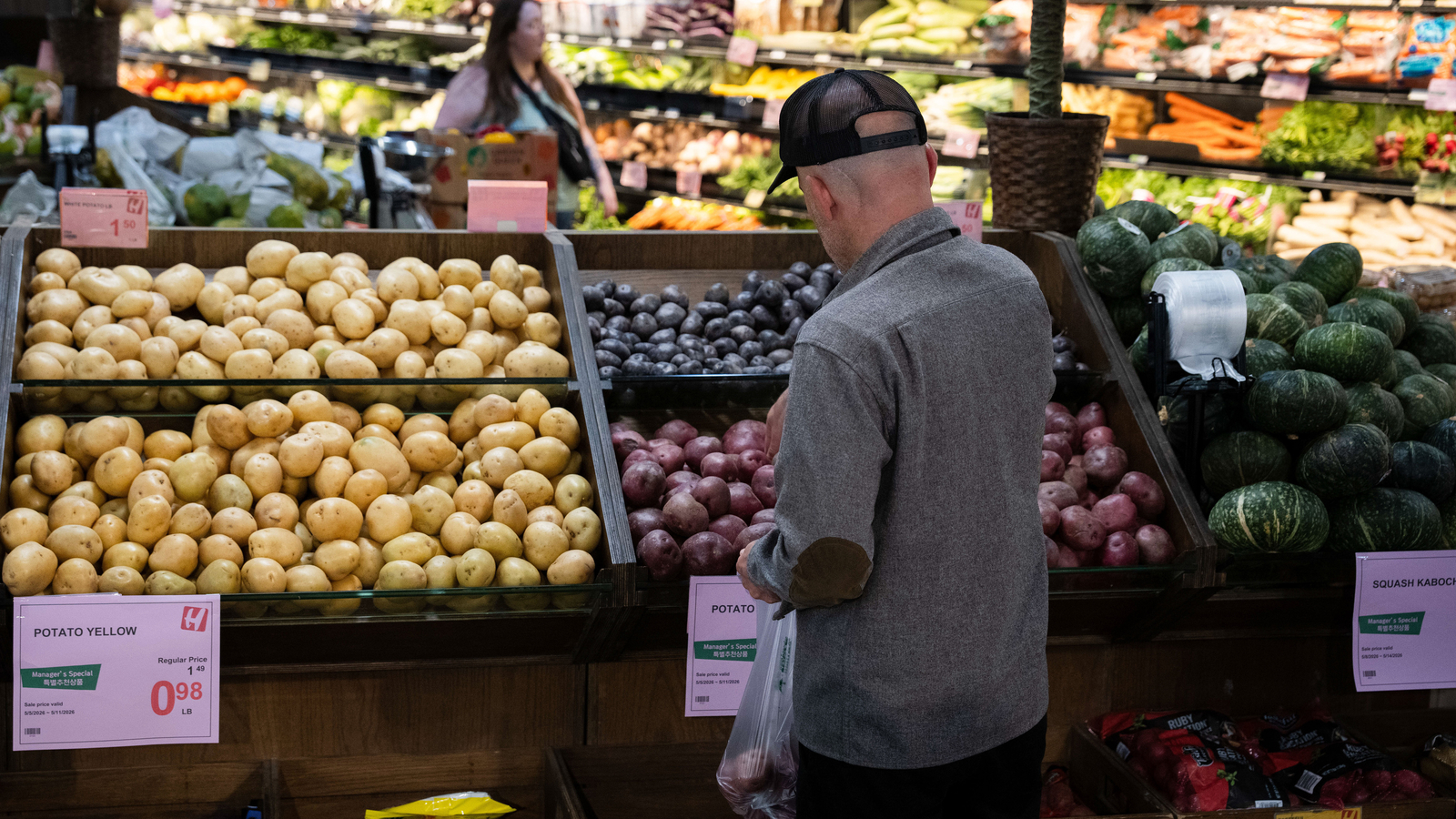
Americans are feeling the sting of soaring grocery prices like never before. From ground beef hitting all-time highs to fresh tomatoes climbing nearly 40% year-over-year, shoppers nationwide are watching their food bills balloon month after month. According to the latest Consumer Price Index data from the Bureau of Labor Statistics, food-at-home prices spiked 0.7% in April alone , the fastest monthly pace in nearly four years. If you’re looking for practical, proven strategies to reclaim control of your budget, these seven smart ways to save money on groceries will help you fight back against rising costs without sacrificing quality or nutrition.
Why Are Grocery Prices Climbing So Rapidly?
Understanding the forces behind escalating grocery prices can help you make smarter purchasing decisions. Andy Harig, vice president of tax, trade, sustainability, and policy development for the Food Industry Association, explains that the recent surge reflects a perfect storm of economic pressures. Higher energy and diesel prices are raising costs for farmers, truckers, and grocers alike. Since food production is incredibly energy-intensive , from the field to the shelf to the table , every pinch in the supply chain eventually reaches the consumer.
Specific categories have seen particularly steep increases. Beef, poultry, fish, and eggs have all risen approximately 1.5% year-over-year, while fruits and vegetables jumped 1.7%, and dairy products climbed 0.8%. Ground beef alone has surged nearly 15% in the past year, and even humble iceberg lettuce is up about 8%. These aren’t just statistics , they represent real challenges for American families trying to put healthy meals on the table while managing tight household budgets.
7 Smart Ways to Save Money on Groceries Right Now
The good news? You don’t have to accept rising grocery prices as inevitable. With a few strategic shifts in how you shop, you can dramatically reduce your monthly food bill. Here are seven actionable strategies to start using today.
1. Harness the Power of Digital Coupon Apps
Gone are the days of clipping paper coupons from the Sunday newspaper. Today’s savvy shoppers use smartphone apps to find the best deals automatically. Platforms like CouponCabin, Grocery Pal, Basket, Checkout 51, and Flipp essentially digitize the coupon-clipping experience, pulling up nearby deals from multiple stores so you can compare prices at a glance.
The beauty of these apps is their ability to save you serious money on your grocery bill with minimal effort. Many will alert you to sales you wouldn’t otherwise know about, and some even offer cashback rewards. Yes, chasing the best deals might occasionally mean an extra trip or two , and a bit more gas , but when the savings are substantial, the trade-off is almost always worth it.
2. Enroll in Every Store Loyalty Program Available
If you’re not yet a member of your favorite grocer’s loyalty program, you’re leaving money on the table. These free-to-join programs let you accumulate points that quickly convert into cash back, exclusive discounts, and members-only promotions. Many chains also offer personalized digital coupons through their apps once you sign up, layering additional savings on top of sale prices.
Loyalty programs are particularly powerful because they allow you to stack savings , combining points with sales, manufacturer coupons, and special member events. Over time, these small percentages add up to hundreds of dollars annually in your pocket.
3. Skip Pre-Cut Produce and Buy Whole
Convenience comes at a premium, and pre-cut fruits and vegetables are one of the biggest culprits driving up your grocery spending. Shopping expert Trae Bodge strongly recommends purchasing produce whole and doing the prep work at home. A pre-cut watermelon, for example, can cost nearly double the price of a whole one , and the same principle applies to pre-packaged salad kits, sliced pineapple, and bagged stir-fry vegetables.
With rising food costs hitting fresh produce especially hard, this single switch can save you meaningful money. Invest in a quality knife and some basic food storage containers, and you’ll notice the difference in your weekly receipts almost immediately.
4. Shop the Top and Bottom Shelves
Here’s a retail secret most consumers never think about: brands pay premium prices for that prime eye-level shelf placement. As Bodge explains, “There are hidden gems in less visible spots” , meaning the best deals often sit on the lowest or highest shelves, out of your natural line of sight.
Make it a habit to scan the entire shelf, not just the middle. You’ll frequently find store brands, larger economy sizes, or alternative products with comparable quality at noticeably lower grocery prices. This small adjustment to your shopping routine can yield surprising savings over time.
5. Master Cost-Per-Unit Comparison
The sticker price can be deceiving. Bodge emphasizes that you can determine whether an item is truly a good deal by comparing the cost-per-unit price rather than the headline number. That larger box might look expensive at first glance, but if the per-ounce or per-unit cost is lower, it’s actually the smarter buy.
Most stores display the unit price on the shelf tag, making this comparison quick and effortless. Train yourself to glance at this number whenever you shop, and you’ll start spotting genuine bargains versus marketing gimmicks. This habit alone can transform how you evaluate every purchase.
6. Switch to Private Label and Store Brands
Harig specifically highlights private brands as a tremendous value option for budget-conscious shoppers. Today’s store brands have evolved dramatically , many are manufactured by the same companies that produce name-brand products, offering nearly identical quality at a fraction of the cost.
From pantry staples like pasta, rice, and canned goods to dairy products, frozen vegetables, and even premium items like olive oil and coffee, store brands can cut your grocery bill by 20% to 30% or more without sacrificing taste or nutrition. Start by trying private label versions of products you already use, and you may never go back.
7. Leverage Delivery App Promotions
While delivery fees can sometimes erase any savings, apps like Uber and DoorDash regularly promote deals at local grocery stores , sometimes including free delivery promotions. These offers can be particularly valuable for bulk purchases, heavy items, or when you simply don’t have time to visit multiple stores.
Keep an eye on these apps during promotional periods, holidays, and store opening events. Combined with the other strategies on this list, smart use of delivery promotions can help you access competitive grocery prices without ever leaving home.
Making These Strategies Work for Your Family
The key to successfully managing grocery prices in today’s economy is consistency. Pick two or three of these strategies to start with rather than trying to overhaul your entire routine overnight. Once those become habits, layer in additional tactics.
Before heading to the store, take a few minutes to check your coupon apps and compare prices online. Make a focused shopping list based on what’s actually on sale and what your family genuinely needs. Resist impulse purchases, especially on items positioned at eye level or displayed at the end of aisles , those placements are designed to tempt you into spending more.
Final Thoughts on Navigating Rising Grocery Prices
There’s no question that grocery prices will likely remain elevated for the foreseeable future, especially with energy costs continuing to put pressure on the entire food production system. However, you don’t have to passively absorb these increases. By embracing digital coupon tools, enrolling in loyalty programs, buying whole produce, scanning all shelf levels, comparing unit prices, switching to private label brands, and leveraging delivery app promotions, you can meaningfully reduce your monthly food spending.
The food industry is working to keep prices in check, but the most powerful tool you have is your own shopping strategy. Start implementing these seven money-saving approaches today, and you’ll likely be surprised at how quickly your grocery bill begins to shrink , even in an environment of rising grocery prices.