
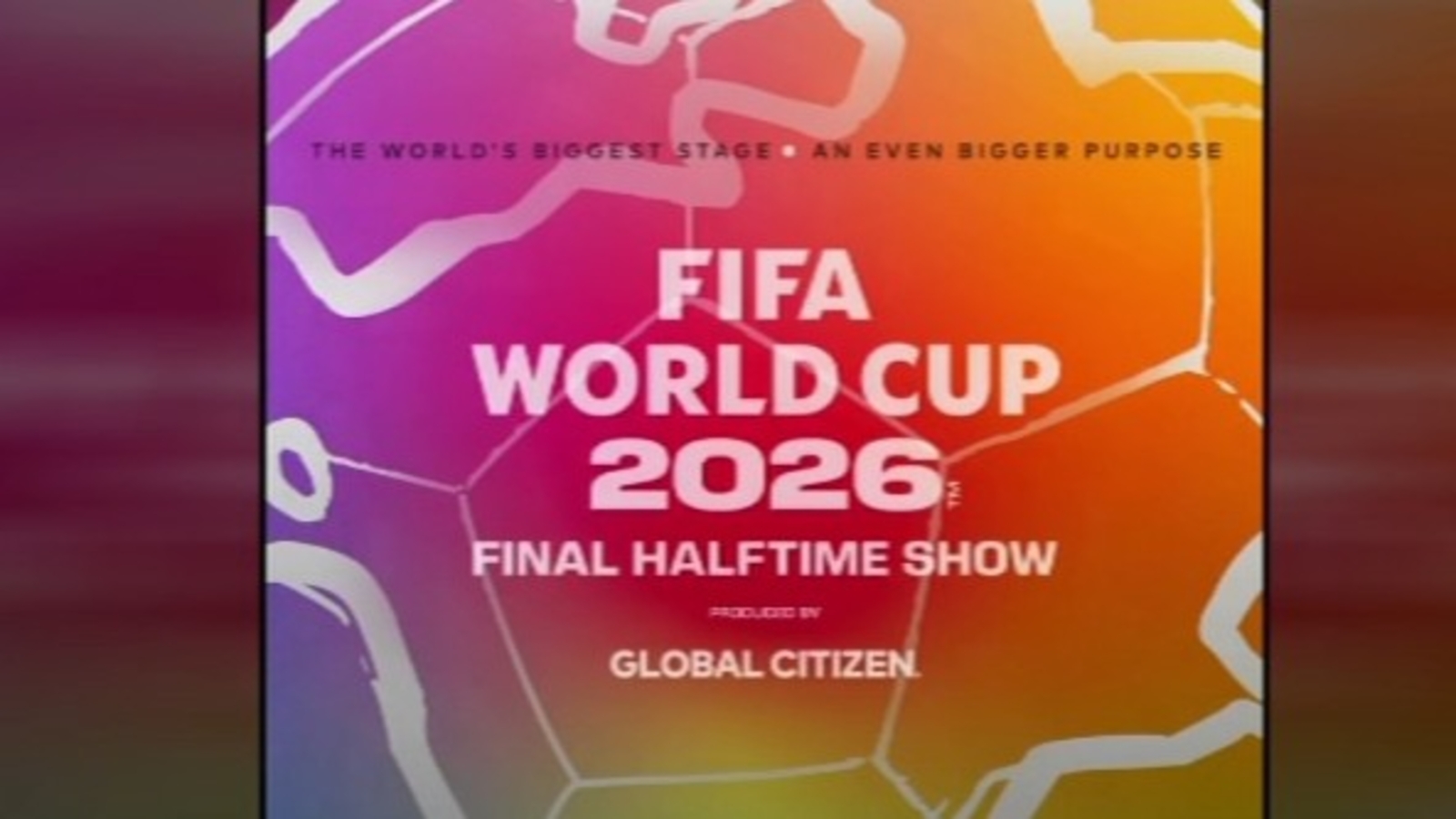
The world of soccer is about to experience something it has never seen before: a full-blown, Super Bowl-style world cup final halftime show. In a historic first, FIFA has announced that the 2026 World Cup Final at MetLife Stadium in New Jersey will be punctuated by a star-studded halftime concert headlined by none other than Madonna, Shakira, and the globally beloved K-pop sensation BTS. This groundbreaking decision signals a new era for the beautiful game, blending the worlds of sport, music, and philanthropy on one of the largest stages imaginable.
A First-of-Its-Kind Musical Moment in World Cup History
For decades, the halftime interval during major sporting events has traditionally been a quiet stretch , a chance for fans to grab refreshments, stretch their legs, and discuss the first half. That changes on July 19, 2026, when the World Cup Final will feature a concert spectacle designed to rival the most iconic moments in American football history. The Super Bowl halftime show has long been considered the gold standard of live entertainment, drawing hundreds of millions of viewers worldwide. Now, FIFA is bringing that same energy, scale, and global appeal to the world’s most-watched sporting event.
The decision reflects a growing trend of blending cultural entertainment with athletic competition. While soccer has historically favored pre-match concerts , such as the Champions League Final, which this year will feature The Killers before Paris Saint-Germain takes on Arsenal in Budapest , FIFA’s new approach pushes the boundaries even further. The halftime show will occur during the match itself, transforming the brief intermission into a defining moment of the tournament.
The Star-Studded Lineup
The headliners represent a carefully curated blend of musical legends and contemporary global superstars:
- Madonna , The Queen of Pop brings decades of chart-topping hits and a reputation for jaw-dropping live performances. Her previous Super Bowl appearance in 2012 remains one of the most-watched halftime shows of all time.
- Shakira , The Colombian superstar already has World Cup experience, having performed at the 2006 and 2010 tournaments. Her 2020 Super Bowl halftime show with Jennifer Lopez became a cultural phenomenon.
- BTS , The seven-member South Korean group (now navigating individual military service and solo pursuits) commands one of the most passionate fan bases on the planet, the BTS ARMY, and their involvement guarantees a massive global audience.
Coldplay frontman Chris Martin will serve as the show’s curator, lending his creative vision and musical sensibility to tie the performances together into a cohesive, emotionally resonant experience. Martin’s track record of stadium-filling performances and his ability to connect with diverse audiences make him an ideal choice for this ambitious production.
More Than Entertainment: A Cause That Matters
Beyond the spectacle, the world cup final halftime show carries a powerful humanitarian mission. FIFA has confirmed that the event will support the FIFA Global Citizen Education Fund, a campaign aimed at raising $100 million to help children around the world access education and soccer programs. This initiative aligns with Global Citizen’s broader mission of ending extreme poverty, and the halftime show is expected to feature live calls to action and donation prompts integrated seamlessly into the broadcast.
FIFA President Gianni Infantino captured the spirit of the initiative in a recent social media post, writing: “Every child should have the opportunity to dream, and together we can help make that possible.” His message underscores the idea that soccer , like music , is a universal language capable of inspiring hope and driving tangible change.
FIFA has described the halftime show as “a singular moment at the intersection of sport, culture and purpose, broadcast live around the world.” That description feels apt. The event is designed not just to entertain, but to mobilize a global audience around a cause that transcends borders.
The MetLife Stadium Setting
The venue itself adds another layer of excitement. MetLife Stadium, located in East Rutherford, New Jersey, is one of the largest stadiums in the United States, with a seating capacity of approximately 82,500. It has hosted Super Bowls, concerts featuring the world’s biggest acts, and countless high-profile soccer matches. On July 19, it will crown a world champion and provide the backdrop for what could become one of the most-watched live broadcasts in television history.
The 2026 World Cup is unique in another way: it will be co-hosted by the United States, Canada, and Mexico, marking the first time three nations have shared hosting duties. This tri-country collaboration adds an extra dimension of unity to the tournament, and the halftime show is expected to celebrate that pan-American spirit. The tournament runs through June and July 2026, with matches spread across 16 host cities in the three countries.
Drawing Comparisons to the Super Bowl
The Super Bowl halftime show has become an event unto itself, often generating more social media chatter than the game itself. Iconic performances by Michael Jackson, Paul McCartney, the Rolling Stones, Madonna, Prince, Bruce Springsteen, Rihanna, and most recently Bad Bunny have set a high bar for live entertainment. The most recent Super Bowl, featuring Bad Bunny, drew record-breaking viewership and proved that the halftime show remains a powerful cultural moment.
FIFA appears to be taking careful notes. By recruiting artists with proven halftime credentials , both Madonna and Shakira have headlined Super Bowl shows before , and adding the massive international appeal of BTS, the organization is positioning the World Cup Final as not just a sporting climax but a global entertainment destination.
There are, of course, some differences. The Super Bowl halftime show typically runs about 12-15 minutes, while a World Cup halftime interval offers a similar window. Producers will need to craft performances that are concise yet memorable, theatrical yet emotionally grounded. Given the talent involved, there is little doubt that the creative team is up to the challenge.
Why Soccer Needed This Moment
For purists, the idea of a halftime show during a World Cup Final might feel unnecessary. Soccer’s continuous flow is part of its charm, and many fans have grown accustomed to using halftime for tactical analysis rather than entertainment. However, the global reach of the World Cup , billions of viewers tune in for the final , presents an unparalleled platform for both entertainment and advocacy.
The Champions League Final, by contrast, features a pre-match show rather than a halftime performance. This format has its merits, but it also means that viewers who tune in late miss the musical moment. A halftime show ensures that the largest possible audience catches the entertainment in real time, amplifying its impact.
Moreover, the integration of charitable messaging into the broadcast aligns with a growing expectation that major sporting events serve as platforms for social good. The FIFA Global Citizen Education Fund is poised to benefit enormously from the visibility that the halftime show will generate, potentially attracting donations and pledges from viewers across the globe.
What Fans Can Expect
While specific setlists and production details remain under wraps, fans can anticipate a multimedia spectacle worthy of the occasion. Expect elaborate stage designs, cutting-edge lighting and pyrotechnics, surprise guest appearances, and seamless transitions between the three headliners. Chris Martin’s curatorial touch suggests that the show will emphasize emotional storytelling and unity, themes that resonate deeply with both the World Cup’s competitive spirit and the education fund’s mission.
Given BTS’s recent transition into individual projects, their participation may take various forms , perhaps a pre-recorded segment, a virtual performance, or a special reunion moment. Fans of the group are already buzzing with speculation, and the announcement has only intensified excitement across social media platforms.
The Bigger Picture
This announcement represents more than just a concert , it marks a strategic pivot for FIFA as it seeks to grow the sport’s cultural footprint in North America. With the 2026 World Cup poised to be the most-watched tournament in history, FIFA is leveraging every opportunity to maximize engagement, attract new fans, and generate revenue for global causes.
The world cup final halftime show also signals a broader convergence of entertainment industries. Music artists increasingly view sporting events as premier platforms to reach massive audiences, and soccer’s global fan base represents an irresistible demographic. Expect more collaborations between artists and soccer federations in the years to come.
In the end, July 19, 2026, promises to be a date circled on calendars around the world. Whether you’re tuning in for the soccer, the music, the philanthropy, or all three, one thing is certain: this World Cup Final will be remembered for far more than just the final score. The halftime show, with its legendary performers and noble cause, will carve out its own chapter in the history books.
So mark your calendars, prepare your playlists, and get ready for a night where the world’s most popular sport and its most beloved musicians unite on a single stage. The world cup final halftime show is not just coming , it’s ready to redefine what it means to celebrate the beautiful game.