
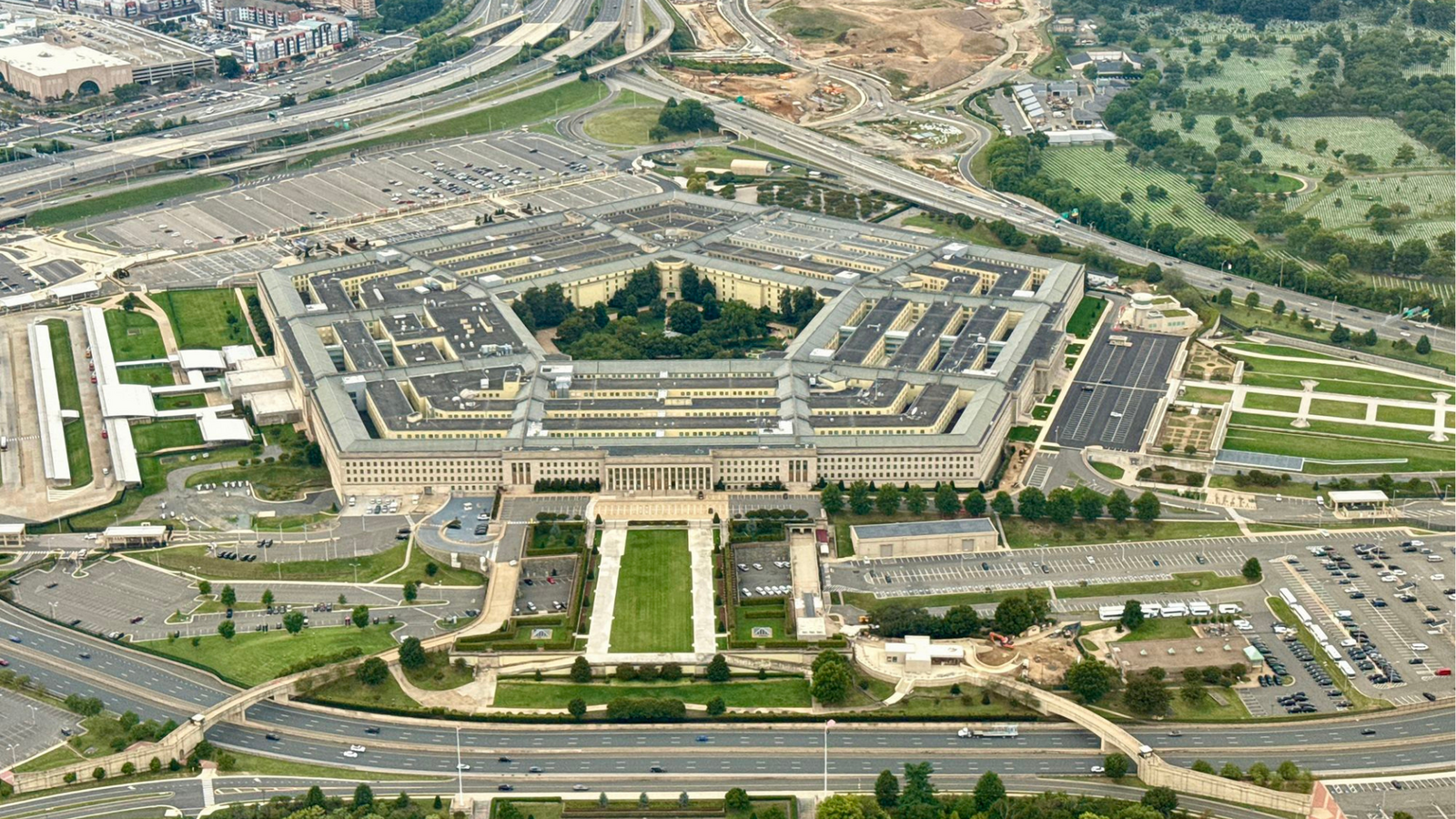
A tense situation unfolded at the Pentagon on Thursday when a pentagon air quality scare triggered a partial lockdown of one of the most heavily secured buildings in the United States. For several hours, employees were instructed to shelter in place while officials scrambled to determine whether a genuine hazardous air situation was underway. As it turned out, the incident was ultimately confirmed to be a false alarm, with subsequent testing revealing no actual threat to personnel inside the building.
The episode serves as a fascinating look at how the Pentagon’s extensive security and safety protocols operate in real time. When building monitoring systems detected what appeared to be an air-quality concern, a cascade of precautionary measures was immediately set into motion, locking down multiple floors and corridors across portions of the massive structure.
Initial Response and Shelter-in-Place Order
The chain of events began when the Pentagon’s internal monitoring systems flagged a potential air quality issue, prompting immediate action from building security personnel. Chief Pentagon spokesman Sean Parnell released an initial statement confirming that authorities were taking the situation seriously while they worked to identify the source and scope of the problem.
An internal message was dispatched to Pentagon employees, instructing those in certain corridors on specific floors to remain where they were while awaiting testing results. The message noted that the evaluation process could take anywhere from one to two hours, urging patience and compliance with safety personnel.
- Multiple floors and hallways were placed into lockdown
- Employees were instructed to shelter in place
- The Pentagon Force Protection Agency’s Hazmat Team was deployed
- Arlington County Fire Department responded with support personnel
How Did Officials Investigate the Potential Hazard?
Once the initial alert was triggered, a multi-agency investigation got underway. According to sources familiar with the situation, authorities were working to determine what caused a sensor to alert for a potential hazardous air quality issue. The investigation centered on two critical questions: Was there an actual environmental threat inside the building, or had a sensor malfunctioned and produced a false reading?
Additional testing was conducted throughout the building to verify whether any hazardous material was present. This kind of dual-track investigation , assessing both environmental conditions and equipment performance , is standard protocol for any credible threat at a facility of the Pentagon’s stature.
The Role of the Pentagon Force Protection Agency
The Pentagon Force Protection Agency’s Hazmat Team served as the lead agency in responding to the incident. As the organization responsible for security, law enforcement, and emergency response within the Pentagon complex, the agency is uniquely equipped to handle situations involving potential chemical, biological, or radiological threats.
Their responsibilities during this type of event include:
- Conducting initial environmental assessments
- Coordinating with local emergency responders
- Implementing protective measures for building occupants
- Determining whether the alert represents a genuine threat or an equipment error
Arlington County Fire Department’s Involvement
The Arlington County Fire Department confirmed that its hazardous materials team had been dispatched to the Pentagon in support of the Pentagon Force Protection Agency’s Hazmat Team. This collaborative response underscores the layered approach to emergency management in the National Capital Region, where federal facilities rely heavily on local first responders for additional expertise and resources.
The partnership between federal security agencies and local fire departments is a well-established protocol that ensures rapid, comprehensive responses to any potential threat, whether real or perceived.
Why Did the Pentagon Issue the All-Clear?
After several hours of investigation and testing, Chief Pentagon spokesman Sean Parnell delivered the news that everyone had been waiting for: subsequent testing had confirmed no hazard exists, and normal operations resumed. This declaration effectively ended the partial lockdown and allowed employees to return to their regular activities throughout the building.
The resolution highlights the sophistication of the Pentagon’s safety infrastructure. Despite the initial scare, the systems in place , from sensors to response teams to communication channels , functioned as designed, even if the original alert turned out to be unfounded.
Understanding False Alarms in High-Security Buildings
False alarms are, unfortunately, an expected part of operating a facility as complex and sensitive as the Pentagon. The building’s extensive sensor network is designed to err on the side of caution, which means that occasionally, routine fluctuations or sensor malfunctions will trigger alerts that require full investigation.
Security experts generally view these incidents as positive indicators of an active safety culture. A facility that never triggers an alarm might raise more concerns than one that occasionally responds to false positives, provided the response protocols work effectively , as they did during this particular pentagon air quality scare.
What Lessons Can Be Drawn From This Incident?
The Pentagon’s handling of this situation offers several valuable insights into emergency preparedness and response at major government facilities.
Communication Transparency
One of the most notable aspects of the incident was the relatively transparent communication from Pentagon officials. By issuing statements through official spokesperson Sean Parnell and providing updates directly to employees, the leadership ensured that accurate information flowed to all stakeholders. This approach helps prevent the spread of misinformation and maintains public trust.
Rapid Response Coordination
The speed at which multiple agencies mobilized demonstrates the effectiveness of pre-established emergency response protocols. Within minutes of the alert:
- The Pentagon Force Protection Agency deployed its Hazmat Team
- Arlington County Fire Department sent supporting personnel
- Building monitoring was intensified across affected areas
- Employees received clear instructions through official channels
Balance Between Caution and Operational Continuity
The decision to implement a partial lockdown , rather than a full evacuation , reflects a thoughtful approach to balancing safety with operational continuity. By isolating potentially affected areas while allowing the rest of the building to continue functioning, officials minimized disruption while still prioritizing employee welfare.
Looking Ahead: Preparedness for Future Incidents
While this particular pentagon air quality scare ended without any actual danger, it serves as a useful reminder of why robust safety protocols matter. The Pentagon is one of the most symbolic and strategically important buildings in the world, housing thousands of military and civilian personnel who work on matters of national security every single day.
Facilities of this nature must maintain constant vigilance, and incidents like this one , even when they turn out to be false alarms , provide valuable opportunities to test and improve existing systems. Each response, successful or otherwise, helps refine the protocols that protect the people who serve inside these walls.
The Importance of Regular System Testing
One aspect of the story that has drawn quiet attention is the question of what caused the sensor to trigger in the first place. While officials have not publicly identified the root cause, follow-up reviews are likely to include:
- Examination of sensor calibration records
- Review of environmental conditions at the time of the alert
- Assessment of whether nearby construction or maintenance activities may have affected readings
- Evaluation of the specific sensor model for known reliability issues
Reassurance for Personnel and the Public
For the thousands of people who work at or visit the Pentagon, the swift resolution of this incident should provide reassurance that safety remains a top priority. The fact that no one was injured, no hazardous materials were released, and operations resumed within hours speaks to the professionalism of everyone involved in the response.
Conclusion
The recent pentagon air quality scare may have caused temporary disruption, but it ultimately demonstrated the strength and reliability of the safety systems protecting one of America’s most important government buildings. From the moment building sensors detected a potential issue through the announcement that no hazard existed, every step of the response reflected careful planning, coordinated execution, and a commitment to the safety of all personnel. While no one enjoys a lockdown , especially a false alarm , these moments offer valuable opportunities to validate emergency procedures and reinforce the culture of preparedness that defines the Pentagon’s approach to security. As investigations into the cause of the sensor alert continue, the public can take comfort in knowing that the systems designed to protect everyone inside the building performed exactly as intended.