
A North Carolina police officer has been arrested and charged after an internal audit revealed she allegedly used flock license plate cameras to track her boyfriend’s ex-wife for personal reasons. The incident has ignited fresh debate about the boundaries of surveillance technology, the safeguards required to prevent abuse, and the growing public concern over how this powerful tool is being deployed across American communities.
The case out of Mooresville, North Carolina, serves as a cautionary tale about what happens when powerful technology falls into the wrong hands, even when those hands belong to sworn officers of the law. It also underscores how audit systems designed to catch misuse actually work when given the chance to operate.
The Alleged Misuse of Flock License Plate Cameras
Officer Elizabeth Snowman, 36, was arrested and charged with accessing computers after an internal review of the Mooresville Police Department’s flock license plate camera system uncovered what police are calling a clear pattern of personal, off-duty misuse. According to Mooresville Police Chief Ron Campurciani, Snowman allegedly accessed the system 31 separate times to track her boyfriend’s ex-wife, with at least two of those searches occurring while she was off-duty.
The discovery came during a routine audit of the department’s license plate reader (LPR) system, a process that Chief Campurciani says is built into the platform specifically to catch this kind of behavior. Snowman is alleged to have entered “motor vehicle infractions” as the stated reason for nearly all 31 searches, even though the actual purpose appears to have been entirely personal.
“This is frustrating and aggravating,” Chief Campurciani said at a Wednesday news conference announcing the arrest.
Snowman is scheduled to appear in court on August 27. The chief also revealed that the department is currently reviewing 10 other potential misuse cases, with at least three already appearing “problematic.”
How Flock’s Audit System Helped Expose the Abuse
Built-In Accountability
One of the most significant elements of this case is how it was uncovered. The department didn’t stumble upon the misuse by accident or through a complaint filed by a member of the public. Instead, the audit trail built into the flock license plate cameras system itself flagged the suspicious activity.
Flock, the company that manufactures and operates these cameras, released a statement in response to the arrest emphasizing that any misuse is unacceptable and that responsible technology should help bring such abuse to light.
“When public safety technology is used the right way, it helps solve serious crimes and protect communities. When it is misused, Flock’s Audit Assistance helps expose it,” the company said.
New Policy Changes in Mooresville
In the wake of the Snowman case, Chief Campurciani announced that Mooresville police officers will now be required to attach a valid case number every time they use the flock license plate cameras. This new policy is designed to make it far more difficult for officers to fabricate reasons for searches or use the system for personal curiosity.
“Officers have to put in the reason for why they’re using the flock cameras, why they are tracking this vehicle,” Campurciani explained. The shift to mandatory case numbers represents a meaningful tightening of departmental oversight.
What Exactly Are Flock License Plate Cameras?
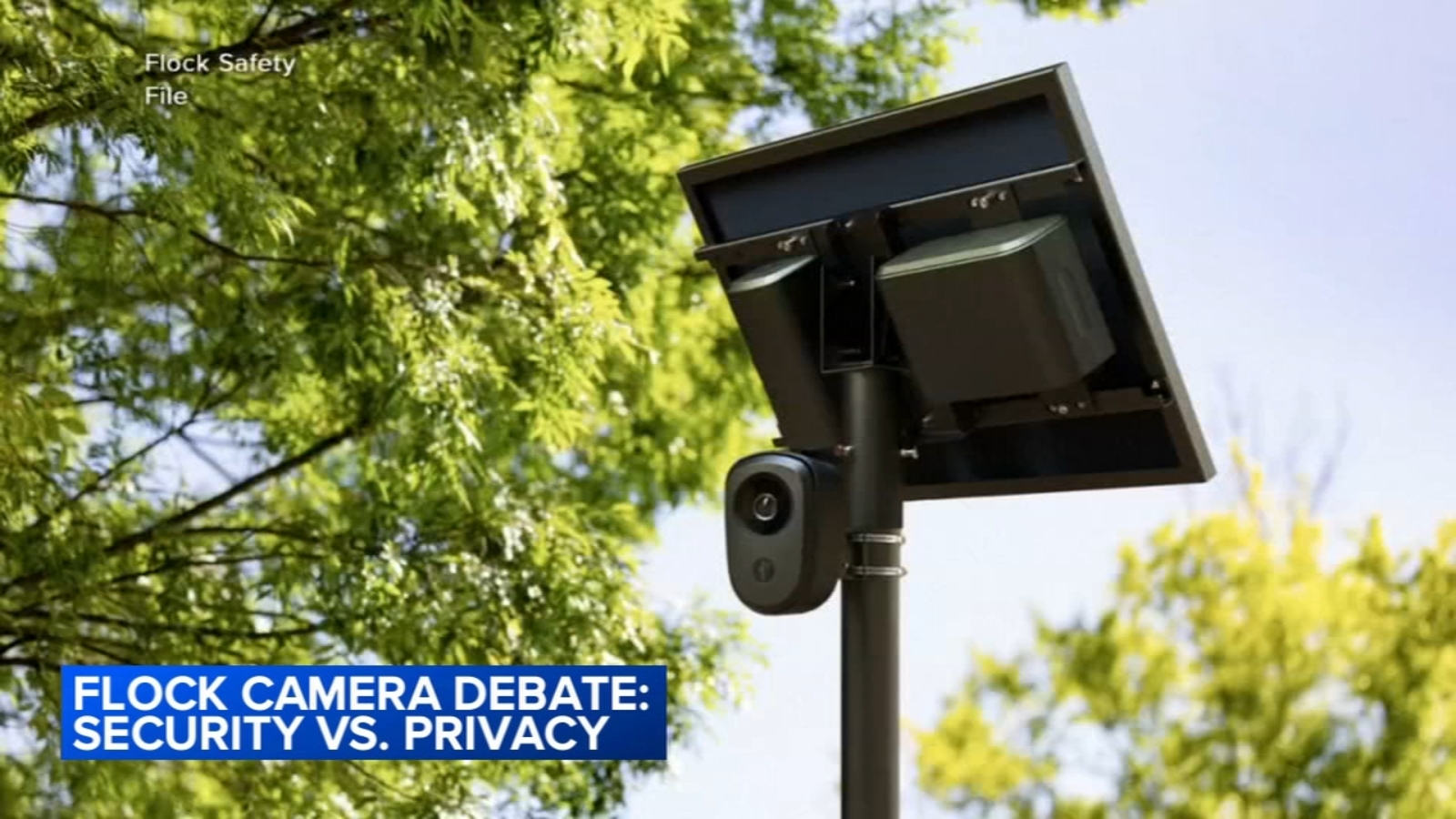
For readers unfamiliar with the technology, flock license plate cameras are motion-activated surveillance devices that capture specific vehicle data rather than continuous video footage. When a vehicle passes within range, the system logs key information including:
- License plate numbers
- Vehicle make and model
- Color and other distinguishing features
- Date, time, and location of capture
Unlike traditional CCTV, these cameras do not record video of people, surroundings, or activities. Instead, they function as highly specialized automatic license plate readers (ALPRs), building searchable databases that law enforcement agencies can query when investigating crimes, tracking stolen vehicles, locating missing persons, or responding to AMBER Alerts.
The Growing National Debate Over Surveillance and Privacy
Data Privacy Concerns Across the Country
The Mooresville incident didn’t happen in a vacuum. It comes amid a broader national reckoning over the expansion of flock license plate cameras and similar surveillance technology in communities large and small. Civil liberties advocates, privacy groups, and ordinary citizens have raised increasingly urgent questions about how long this data is retained, who has access to it, and what safeguards prevent abuse.
Activists have organized a National Week of Action Against ALPRs, scheduled for August 16 through August 22, to amplify those concerns. The campaign has gained momentum as reports of misuse and vandalism continue to surface in multiple states.
Law Enforcement Response to Vandalism
In response to the organized pushback, law enforcement agencies across the country have been warned to expect potential acts of vandalism targeting these cameras. According to an intelligence bulletin reviewed by ABC News, agencies are being urged to step up patrols around installed cameras and review any prior incidents of vandalism.
Reports from multiple states illustrate the tension playing out in real time:
- In the Dallas area, dozens of flock cameras have been vandalized, according to local ABC affiliate WFAA.
- In Utah, the Garfield County Sheriff’s Office reported that one of its newly installed flock cameras was vandalized within days of deployment.
Despite the vandalism, the Garfield County Sheriff’s Office defended the technology, emphasizing that it has helped locate missing and endangered persons and identify vehicles connected to serious crimes. The department also stressed its commitment to data privacy concerns, stating clearly that deputies cannot search the system out of curiosity or for personal reasons.
“Every search must be conducted for a legitimate law enforcement purpose and be associated with a valid case number or documented incident,” the department said. “The system maintains an audit trail of all searches, providing accountability and ensuring the technology is used appropriately.”
Flock’s Defense of the Technology
Flock has publicly condemned the vandalism while continuing to champion the legitimate uses of its camera network. In a statement, the company drew attention to specific cases where its technology played a critical role in public safety outcomes.
“People have every right to make their voices heard, but criminal acts should never be part of that process. Damaging public safety equipment ultimately hurts the very communities this technology is there to help protect,” Flock said.
The company pointed to the recent Brown University mass shooting investigation as a powerful example of the technology’s value, noting that flock license plate cameras helped investigators locate the suspect even after he changed license plates in an attempt to evade detection.
“When a camera is taken offline, an investigative lead can disappear, and a time-sensitive alert tied to an AMBER Alert, a missing-person case, or a violent crime suspect on the move may never reach the officers who need it,” Flock warned.
The Chief’s Verdict: A Game-Changer When Used Correctly
Despite the embarrassment caused by Officer Snowman’s alleged actions, Chief Campurciani remains a vocal supporter of the technology. He described the flock license plate cameras as a “game-changer” for modern policing, provided they are used correctly.
“The benefits, I believe, outweigh the issues,” Campurciani said.
His comments reflect a position held by many in law enforcement: that the underlying technology is sound, but the policies, training, and accountability mechanisms surrounding its use must be airtight.
Broader Implications for Police Accountability
The Mooresville case highlights a critical truth about modern police accountability: technology alone is neither good nor bad. Its impact depends entirely on the humans deploying it and the safeguards put in place to govern its use. The fact that an internal audit caught Snowman is encouraging, but the fact that she was allegedly able to make 31 unauthorized queries before being flagged is troubling.
This case will likely accelerate discussions in police departments and legislatures nationwide about:
- Mandatory case numbers for every search conducted through ALPR systems
- Stricter penalties for personal misuse of law enforcement databases
- More frequent audits of license plate reader activity
- Clearer public reporting on how often these systems are queried
- Enhanced training on the ethical use of surveillance technology
Conclusion
The arrest of Officer Elizabeth Snowman is more than a local crime story. It is a high-profile example of what can go wrong when powerful surveillance tools are placed in the hands of people who lack the judgment or integrity to use them responsibly. At the same time, the way the misuse was detected, through the very audit systems built into the flock license plate cameras themselves, demonstrates that meaningful accountability is possible when the right safeguards are in place.
As law enforcement agencies across the country continue to expand their use of automatic license plate readers, the debate over privacy, oversight, and appropriate use will only intensify. The Mooresville case offers a clear lesson: technology must be paired with strict policies, transparent reporting, and a culture that treats misuse as a serious violation rather than a minor technicality. Done right, flock license plate cameras can be a powerful force for public safety. Done wrong, they become exactly the kind of invasive surveillance tool that critics fear, and that communities have every right to demand be brought under tighter control.