
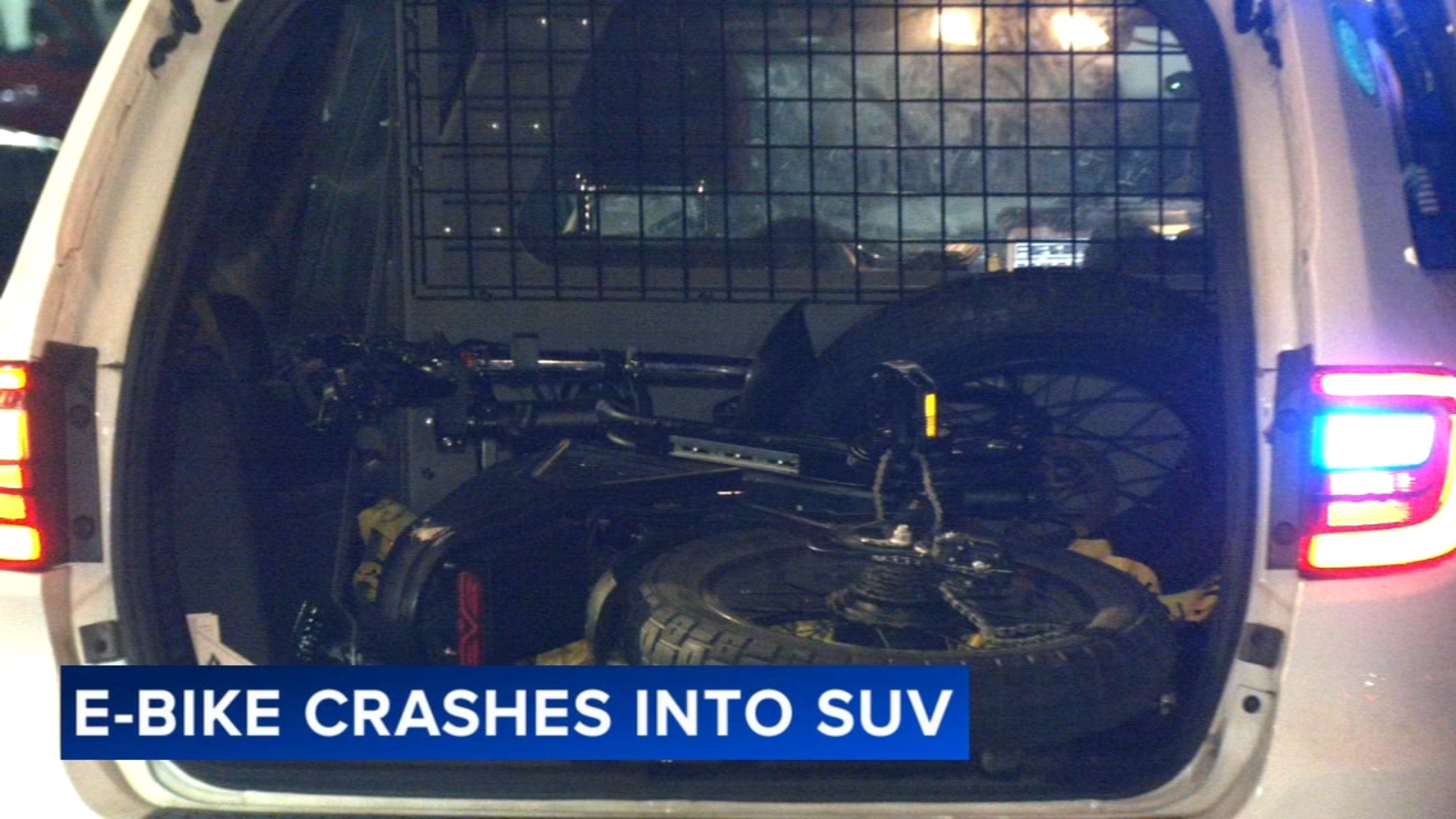
An e-bike crash in Northeast Philadelphia has left a rider fighting for his life after a violent collision early Wednesday morning. The incident, which occurred just before 12:15 a.m. at the intersection of Cottman and Algon avenues, has reignited important conversations about e-bike safety, traffic law compliance, and the growing presence of electric bicycles on urban roadways.
According to Philadelphia police, the e-bike operator allegedly ran a steady red light before slamming into the rear driver’s side of a vehicle traveling east on Cottman Avenue. The rider, believed to be a man in his 30s, was transported to Jefferson Torresdale Hospital in critical condition, while a 27-year-old female passenger was taken to Abington Hospital in stable condition. The driver of the other vehicle escaped injury.
What Happened at Cottman and Algon Avenues
The intersection where this electric bike accident occurred is a busy commercial corridor in Northeast Philadelphia, known for heavy traffic during both day and night hours. Witnesses and responding officers reported that the e-bike was heading south on Algon Avenue when it entered the intersection against the traffic signal.
The collision’s force was significant enough to cause critical injuries to the primary rider. Investigators are still piecing together the moments leading up to the crash, including the speed of both vehicles, road conditions, and whether the e-bike’s lights were activated at the time of impact.
Key Details of the Incident
- Location: Cottman and Algon avenues, Northeast Philadelphia
- Time: Just before 12:15 a.m. on Wednesday
- E-bike direction: Southbound on Algon Avenue
- Vehicle direction: Eastbound on Cottman Avenue
- Cause (alleged): Running a steady red light
- Primary victim: Man in his 30s, hospitalized in critical condition
- Secondary victim: 27-year-old woman, hospitalized in stable condition
- Status: Crash remains under active investigation
The Rising Tide of E-Bike Accidents in Urban America
This Philadelphia e-bike crash is far from an isolated event. Across major American metropolitan areas, emergency rooms, police departments, and trauma centers have reported dramatic increases in electric bicycle-related injuries over the past five years. E-bikes have surged in popularity as affordable, eco-friendly transportation alternatives, but their integration into existing traffic infrastructure has created new safety challenges.
Why E-Bike Crashes Are Increasing
Several factors contribute to the growing number of e-bike rider injuries across the country:
- Rapid adoption without regulation: E-bikes have flooded city streets faster than municipalities can develop comprehensive safety regulations.
- Speed capabilities: Many modern e-bikes can reach speeds of 20 to 28 mph, blurring the line between traditional bicycles and motor vehicles.
- Inconsistent helmet use: Unlike motorcycles, e-bike helmet laws vary widely by state and municipality.
- Visibility issues: Smaller profile than cars makes e-bikes harder to spot, especially at night.
- Rider inexperience: Many e-bike operators have limited experience handling the additional speed and weight.
Traffic Law Compliance and E-Bike Riders
The alleged traffic light violation at the heart of this Northeast Philadelphia incident highlights a broader issue. Many e-bike riders, particularly those using higher-powered models or modified bikes, may not fully understand,or may choose to ignore,traffic laws that apply to them.
In Pennsylvania, e-bikes are generally classified into three categories based on their motor wattage and maximum speed. Class 1 and Class 2 e-bikes are permitted on roads where bicycles are allowed, while Class 3 e-bikes (those capable of reaching 28 mph) face additional restrictions. Riders must follow the same traffic signals, lane markings, and right-of-way rules as traditional cyclists.
Legal Responsibilities of E-Bike Operators
Understanding the legal framework is essential for every e-bike rider. Key responsibilities include:
- Obeying all traffic signals and signs
- Yielding the right-of-way when appropriate
- Using proper lighting during low-visibility conditions
- Riding with the flow of traffic
- Avoiding sidewalk riding where prohibited
- Wearing appropriate safety equipment, including helmets
Critical Safety Measures Every E-Bike Rider Should Know
Whether you’re a daily commuter or a weekend recreational rider, following essential road safety tips can dramatically reduce your risk of becoming the victim of an e-bike crash.
Gear and Equipment
The right equipment can mean the difference between a minor incident and a life-threatening emergency. Every rider should invest in:
- A quality helmet: Look for helmets specifically rated for cycling, and replace them after any significant crash.
- Front and rear lights: Essential for nighttime visibility, especially during early morning or late evening commutes.
- Reflective clothing: Bright, reflective gear helps drivers spot you from a greater distance.
- Mirrors: Handlebar or helmet mirrors provide crucial awareness of surrounding traffic.
- Bell or horn: Audible signals help communicate your presence to pedestrians and other vehicles.
Defensive Riding Techniques
Defensive riding is the practice of assuming that other road users cannot see you and may behave unpredictably. This mindset is particularly important for e-bike safety:
- Make eye contact with drivers at intersections whenever possible
- Reduce speed when approaching crosswalks and intersections
- Maintain safe following distances from vehicles
- Use hand signals well in advance of turns or stops
- Avoid riding in vehicle blind spots, especially near large trucks
The Broader Impact on Philadelphia Communities
Philadelphia has embraced e-bikes as part of its transportation future, with bike-share programs, commuter incentives, and infrastructure improvements all supporting micromobility. However, incidents like this Philadelphia traffic accident create understandable concern among residents and policymakers.
City officials face the complex challenge of supporting sustainable transportation options while ensuring public safety for all road users,cyclists, pedestrians, and motorists alike. This delicate balance requires ongoing dialogue, data-driven policy decisions, and community engagement.
What Philadelphia Is Doing About E-Bike Safety
The city has implemented several initiatives aimed at improving e-bike safety:
- Expanding protected bike lanes across multiple neighborhoods
- Updating traffic signal technology to better detect cyclists
- Partnering with advocacy groups for rider education programs
- Reviewing regulations around high-powered e-bike classifications
- Increasing enforcement of traffic violations by all road users
What Riders Can Learn from This Tragedy
While the investigation into this specific e-bike crash is still ongoing, the circumstances offer valuable lessons for the entire riding community. The late-night timing, the alleged disregard for a traffic signal, and the involvement of a passenger all highlight common risk factors that riders can actively avoid.
Riding with Passengers
Many e-bikes are designed for single riders, but some models accommodate a second passenger. Carrying a passenger significantly affects the bike’s handling, braking distance, and stability. Riders should:
- Verify their e-bike manufacturer’s passenger specifications
- Practice extensively with a passenger in low-traffic environments
- Reduce speed and increase following distances
- Ensure both rider and passenger wear appropriate safety gear
Night Riding Precautions
Riding between dusk and dawn introduces additional hazards that all e-bike operators should take seriously. Reduced visibility, driver fatigue, and impaired motorists all contribute to elevated nighttime crash risks. Essential precautions include:
- Using multiple high-lumen front lights and bright rear lights
- Wearing reflective vests or straps
- Choosing well-lit routes whenever possible
- Reducing speed and increasing situational awareness
- Avoiding distractions like headphones or mobile devices
Moving Forward: A Shared Responsibility for Safer Streets
The aftermath of this Northeast Philadelphia e-bike crash serves as a sobering reminder that road safety is a shared responsibility. Motorists must remain vigilant for cyclists and e-bike riders, especially at intersections and during low-light conditions. Cyclists must respect traffic laws and ride defensively. Pedestrians must stay aware of their surroundings in shared spaces.
As investigations continue and more details emerge about this specific incident, the broader conversation about e-bike regulations, infrastructure investment, and rider education remains critically important. Every crash represents not just a personal tragedy, but an opportunity to learn, adapt, and build safer streets for everyone.
If you or someone you know rides an e-bike, take a moment today to review your safety practices, inspect your equipment, and commit to riding defensively. The decisions you make before your next ride could quite literally save your life.