
The California Coastal Commission, an independent state agency established over five decades ago, is facing an unprecedented federal review that could significantly reshape its authority along one of America’s most iconic coastlines. Announced by Commerce Secretary Howard Lutnick in May, the review is the latest move in the Trump administration’s broader push to expand fossil fuel production and reshape how California manages its coastal resources.
For decades, the California Coastal Commission has held substantial influence over development along 840 miles of coastline,from rugged cliffs and pristine beaches to bustling harbors and surfing hotspots. Now, environmental advocates, state officials, and legal experts are sounding alarms that the review could strip it of its ability to weigh in on projects involving federal agencies, fundamentally altering the balance of power between Sacramento and Washington.
Why the Federal Review Matters
The review is being conducted by the National Oceanic and Atmospheric Administration (NOAA) and centers on how California has handled several high-profile federal priorities. According to Secretary Lutnick, the evaluation will examine the state’s stance on spaceport infrastructure, offshore oil production, pipeline maintenance, and desalination projects.
“Obstructionist policies that delay critical national infrastructure in the name of environmental extremism are unacceptable,” Lutnick stated when announcing the review. The comments came shortly after commissioners opposed an expanded launch schedule for SpaceX’s Falcon 9 rockets from Vandenberg Space Force Base, citing potential harm to sensitive species and reduced public beach access.
The timing is no coincidence. The Trump administration has aggressively promoted what it calls energy security and job creation, opening the door to new offshore oil leases in California and Florida,the latter where federal drilling has been banned since 1995 over Gulf of Mexico spill concerns. Federal officials have also moved to authorize fracking on an aging oil platform off Ventura County and helped a Texas-based company resume operations on a pipeline dormant since its catastrophic 2015 rupture.
The Bigger Battle Over California’s Energy Future
California has spent years positioning itself as a clean energy leader. According to the state’s energy commission, nearly half of California’s electricity came from renewable resources in 2024. The state has aggressively pursued offshore wind development, banned new offshore oil leases since 1969, and pushed policies to phase out gas-powered vehicles.
Each of these initiatives has put California on a collision course with the current federal administration. State officials recently sued the federal government over its buyback of an offshore wind lease,a move critics say is designed to discourage wind expansion in favor of fossil fuels.
“It’s just part of that overall belief that they have, that they’re going to get rid of renewables and go back to good old-fashioned fossil fuels, and what better place to start than California?” said Deborah A. Sivas, a professor of environmental law at Stanford Law School. “We’re the feds,we’re going to tell the state what to do.”
How the California Coastal Commission Works
The California Coastal Commission was created in 1972, the same year Congress passed the federal Coastal Zone Management Act. Under this framework, more than 30 states operate coastal management programs subject to periodic federal evaluation. California is one of the few that grants its commission authority to review projects involving federal permits or activities.
This dual structure gives the Commission a unique voice in shaping not just state-level development but also federal projects that touch the coast. If the upcoming review determines California has fallen out of compliance, the state could lose this authority,a change that would mark an unprecedented step. No state with an approved coastal program has ever been stripped of its federal project review power.
A History of Controversy
The Commission has long attracted headlines for its role in contentious decisions. Over the years, it has:
- Voted against, then approved, then watched a court reject a U2 guitarist’s plan to build mansions on seaside bluffs
- Rejected a proposed desalination plant in Huntington Beach
- Battled with then-candidate Donald Trump over a 70-foot flagpole at his Rancho Palos Verdes golf club
- Recently suspended permitting requirements for home rebuilding following the devastating Los Angeles wildfires after pressure from Democratic Gov. Gavin Newsom
Despite these flashpoints, the Commission has earned praise from environmental advocates for consistently prioritizing coastal preservation. That reputation is exactly what worries residents who packed an hourslong public hearing in Santa Monica in August.
The Stakes: Oil, Pipelines, and Fracking
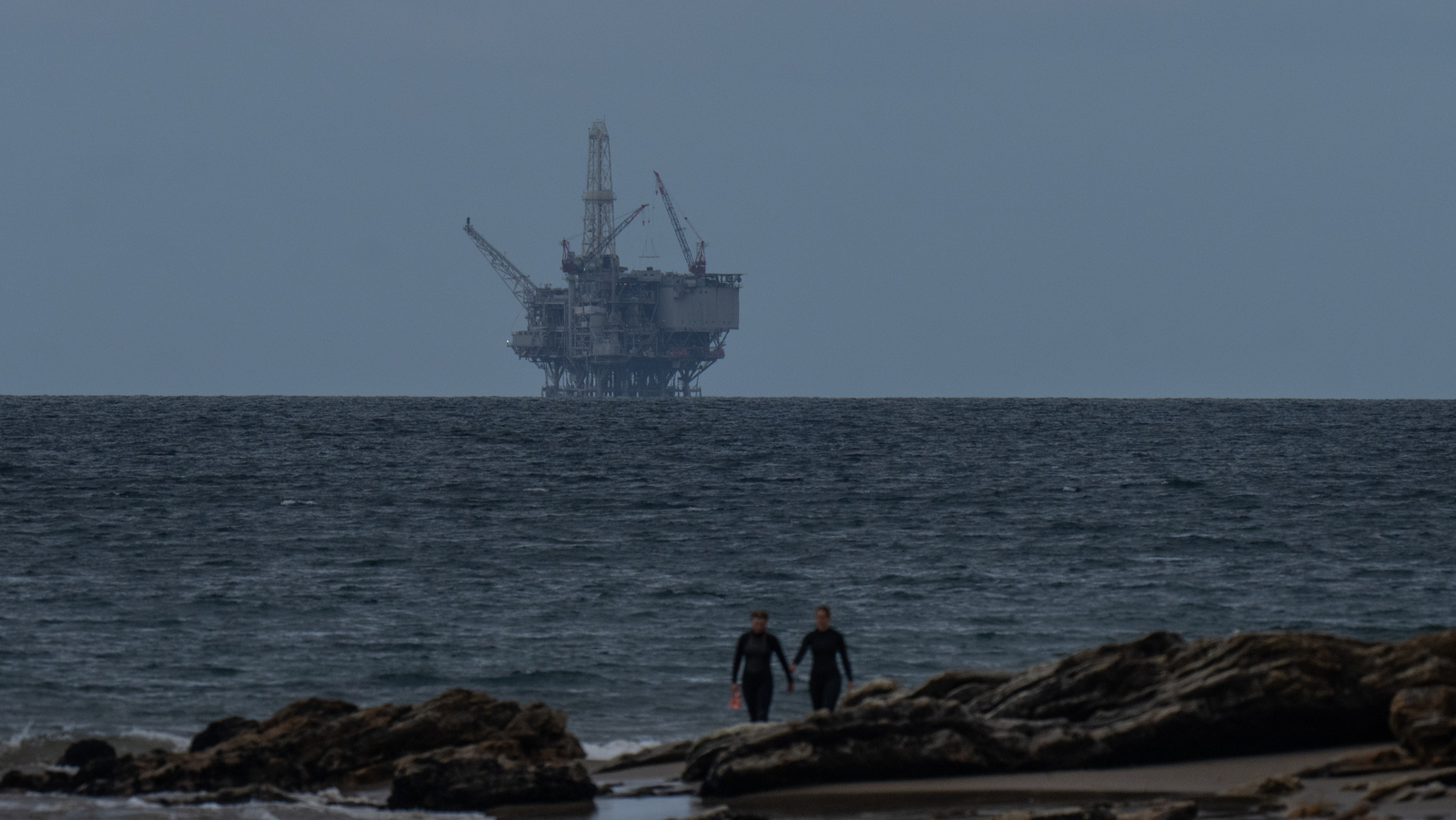
One of the most consequential flashpoints involves a 45-year-old oil platform in federal waters off Ventura County. Federal officials recently released an environmental analysis supporting a proposal from energy company DCOR LLC to frack 16 wells, potentially tripling daily oil output from 1,100 to 4,000 barrels. The Commission voted unanimously to oppose the plan after extensive public testimony.
“This is just simply one of those cases where the juice isn’t worth the squeeze,” said Coastal Commissioner Ray Jackson during the hearing. “It creates far too many opportunities for something to go wrong. When something does go wrong it is our ocean, beaches, wildlife and coastal economy that pay the price.”
DCOR has indicated it may appeal directly to the commerce secretary,a path that could bypass the Commission entirely if the federal review goes against California.
The Pipeline That Refuses to Stay Closed
Federal intervention also helped Houston-based Sable Offshore Corp. revive a pipeline system idled since 2015, when its rupture caused one of California’s worst oil spills. That disaster blackened beaches for 150 miles from Santa Barbara to Los Angeles and devastated habitat for endangered whales and sea turtles. Critics argue the decision to resume operations prioritizes industry interests over coastal protection.
“This isn’t about performance. This is about power,” said Maureen Ellenberger, a Santa Barbara resident, during the Santa Monica hearing. “It’s about whether the Trump administration can strip California’s authority because they don’t like the answers the coastal commission gave to oil companies.”
What Could Happen Next
NOAA has not announced a timeline for completing the federal review. The uncertainty itself carries consequences, as developers, energy companies, and conservation groups await clarity about who will have the final say over projects along California’s coast.
Legal experts warn that stripping the Commission’s federal authority would set a national precedent. Other states with coastal management programs,including Republican-led ones,could find themselves vulnerable to similar reviews if their priorities conflict with federal energy or development goals.
Democratic Gov. Gavin Newsom has rushed to defend the Commission, even though he clashed with it earlier in 2025 when he suspended permitting requirements for fire-recovery home rebuilding. That political ambivalence underscores how the Commission’s independence has made it a target across party lines.
Why Californians Are Pushing Back
Polls consistently show that coastal protection remains a bipartisan priority in California, where the tourism economy depends heavily on beach access and environmental quality. From surfers and birdwatchers to hotel owners and commercial fishermen, broad coalitions have formed to defend the Commission’s role.
At the August hearing, residents, scientists, business owners, and tribal representatives voiced concerns about everything from offshore drilling risks to the long-term impacts of unchecked coastal industrialization. The repeated theme: California’s coast is not just a state treasure but a national one, and decisions about its future should not be made unilaterally in Washington.
Conclusion
The federal review of the California Coastal Commission represents more than a bureaucratic procedure,it is a high-stakes test of how much power states retain over their own coastlines when federal energy and industrial priorities take center stage. For more than fifty years, the Commission has served as a guardian of one of America’s most treasured landscapes, balancing development pressures against environmental and public access concerns. Whether it retains that role will depend on how the review unfolds, what legal challenges emerge, and how Californians mobilize to defend their coast.
As the review proceeds, all eyes will be on NOAA’s findings, the Commerce Secretary’s response, and ultimately, the courts that may be asked to resolve a constitutional tug-of-war between state authority and federal power. The outcome could redefine coastal governance not just in California, but across the United States for decades to come.