
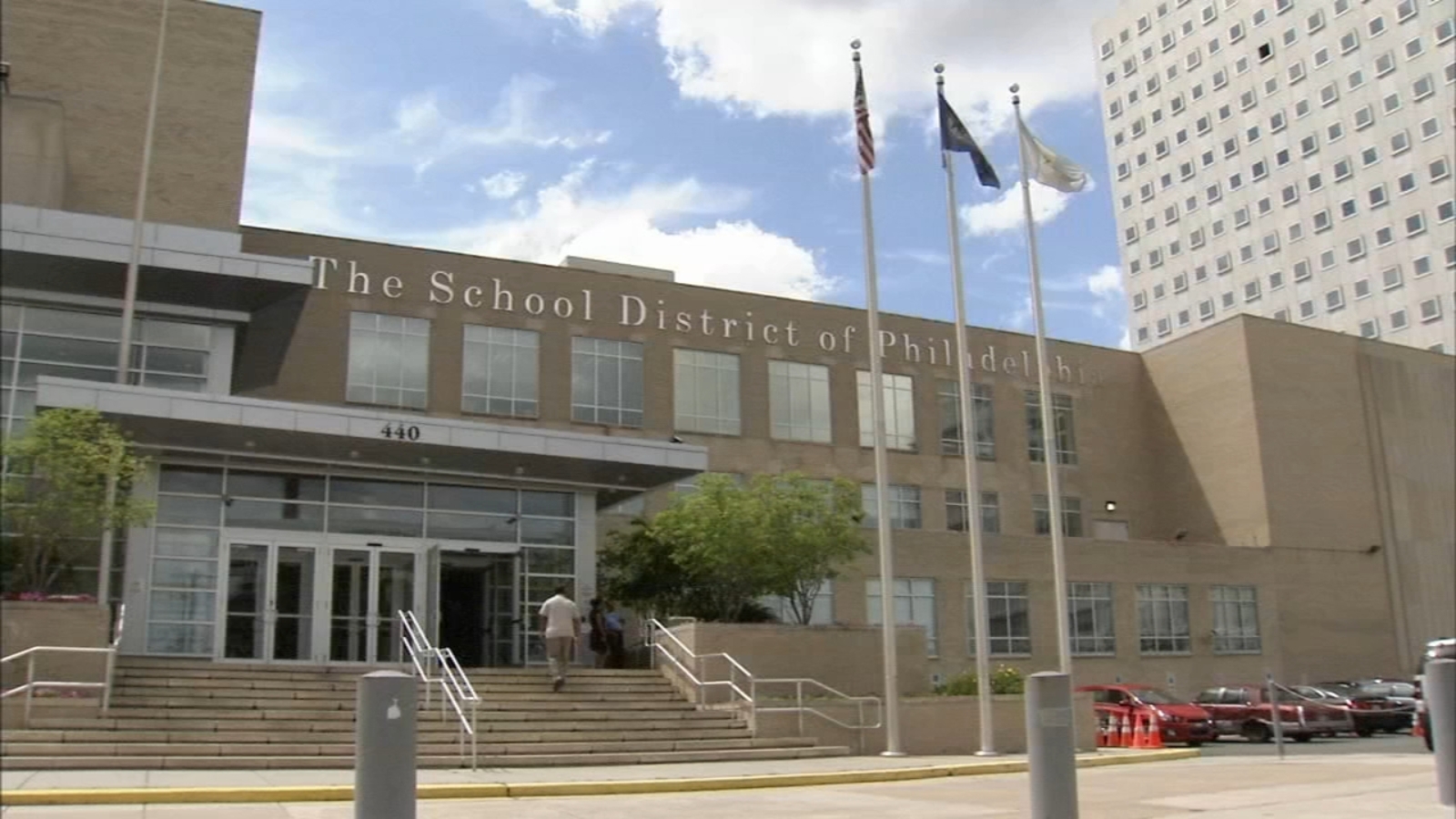
As an intense late-summer heat wave sweeps across the region, the School District of Philadelphia has announced that 52 Philadelphia schools will dismiss early on Thursday, Sept. 3 due to heat. The decision, communicated to families and staff on Wednesday, reflects ongoing concerns about classroom temperatures in buildings that still lack adequate cooling infrastructure. In addition to early dismissals, all in-person afterschool activities at affected campuses have been canceled for the day.
Early childhood programs housed within these schools,including PreK and Head Start classrooms,will also release students ahead of schedule. The move highlights the persistent challenge of keeping students safe, comfortable, and ready to learn during periods of extreme heat, and underscores why the issue of Philadelphia schools early dismissal heat responses has become a recurring topic for parents, educators, and district leaders alike.
Why the Early Dismissal Was Necessary
In an official statement, the district explained that although meaningful progress has been made over recent years to improve air conditioning and ventilation across school buildings, several facilities still suffer from inadequate cooling systems. When outdoor temperatures climb into the upper 80s and 90s,as they are forecast to do throughout the first week of September,classrooms without functional air conditioning can quickly become unsafe environments for children.
Heat exposure in schools is not simply a comfort issue. Research consistently shows that excessive indoor temperatures can impair concentration, slow cognitive performance, and trigger health concerns ranging from dehydration to heat exhaustion. For younger children, who are less able to regulate their body temperature, the risks are even more pronounced. The early dismissal decision is part of a broader district policy that prioritizes student and staff safety whenever cooling systems cannot keep pace with extreme weather conditions.
The District’s Heat Protocol
Philadelphia public schools follow a heat index-based protocol that guides decisions about early dismissals and activity cancellations. When forecasted heat index values cross certain thresholds,particularly in buildings without central air conditioning,the district weighs several factors before announcing changes, including:
- Whether the school has functional air conditioning in instructional spaces
- The age and health needs of the student population
- The presence of early childhood or special education programs
- The availability of cooling stations or shaded outdoor areas
- Staffing capacity for supervised dismissal
When the criteria are met, families receive notifications through the district’s communication channels, including phone calls, emails, and text alerts. Schools also post signage and notify bus drivers to ensure students are released safely.
Full List of the 52 Affected Schools
The following Philadelphia schools will operate on an abbreviated schedule on Thursday, Sept. 3 due to the ongoing heat-related early dismissal. Parents and guardians should confirm exact pickup times directly with their child’s school.
Elementary and K-8 Schools
- AMY Northwest
- Bache-Martin*
- Blaine, James*
- Building 21
- Catharine, Joseph*
- Comegys, B.
- Comly, Watson
- Cooke, J.
- Crossan, Kennedy
- Disston, Hamilton**
- Dunbar, Paul**
- Emlen, Eleanor*
- Fell, D Newlin
- Fox Chase
- Girard, Stephen
- Harding, Warren
- Henry, Charles
- Hopkinson, Francis
- Houston, Henry
- Howe, Julia
- Jenks, Abram
- Jenks, John S.
- Lamberton*
- Lingelbach, Anna
- Loesche*
- Ludlow, James
- McCloskey, John
- McMichael, M.*
- Mitchell, Weir
- Moore, J. Hampton
- Olney Elementary
- Overbrook Elementary
- Patterson, John*
- Rhawnhurst*
- Rowen, William
- Sayre, William
- Sharswood, George*
- Sheppard, Isaac
- Spring Garden
- Spruance, Gilbert*
- Sullivan, James
- Tilden, William**
- Wagner, Gen. Louis
- Washington, Martha
(*) Schools with PreK or Head Start programs on-site.
(**) Schools operating as Early Childhood (ED/EY) centers.
High Schools and Special Campuses
- Franklin, Benjamin High School
- Hill-Freedman
- MYA (Middle Years Alternative)
- Parkway West
- Roxborough High School
- South Philadelphia High School*
- The U School
The list spans neighborhoods across the city, from Northwest Philadelphia to South Philadelphia, indicating that the cooling deficit is a district-wide issue rather than one confined to a single region.
What Families Should Know About the Early Dismissal
For parents and caregivers, an unexpected schedule change can create logistical challenges,especially for working families without flexible childcare arrangements. The district has urged families to plan ahead and to review pickup procedures specific to their child’s school.
Steps Parents Should Take Today
- Check your inbox and phone for official notifications. The district typically sends alerts through its mass communication system the day before a dismissal is announced.
- Confirm your child’s exact dismissal time. Early dismissal times can vary by school, especially for those that share buildings with early childhood centers.
- Arrange alternate care if needed. Afterschool programs are canceled at affected buildings, so working parents may need backup plans.
- Ensure bus routes are updated. Bus schedules will be adjusted, and the district has reminded families that buses may arrive earlier than usual.
- Talk to your child about hydration. Encourage water intake, light clothing, and rest, especially for students who walk home or wait for transportation.
If you have not received direct communication from your school, the district advises calling the main office for the most current information.
The Bigger Picture: Heat, Infrastructure, and Equity
The recurring need for early dismissals due to heat in Philadelphia schools has reignited conversations about long-term infrastructure investments. While the district has installed or upgraded cooling systems in numerous buildings over the past several years, the fact that more than fifty schools remain without adequate climate control on the third day of September is a reminder of how much work remains.
Why Some Schools Still Lack Cooling
Many older school buildings in Philadelphia were constructed long before modern air conditioning was standard. Retrofitting them often requires more than simply installing window units. Some buildings need electrical upgrades, structural modifications, or entirely new HVAC systems, all of which come with significant costs and lengthy timelines. Budget constraints, supply chain issues, and competing priorities have all contributed to delays.
Equity Considerations
Critics have pointed out that schools in lower-income neighborhoods are disproportionately affected by cooling deficiencies. Students who lack access to air-conditioned classrooms may face learning losses during the hottest weeks of the school year,losses that compound over time. Advocates argue that addressing these infrastructure gaps is not just a matter of comfort but of educational equity.
Looking Ahead: What to Expect This School Year
As climate patterns continue to shift and heat waves become more frequent and intense, districts across the country are grappling with similar challenges. Philadelphia’s experience offers a case study in how urban school systems must balance limited budgets, aging facilities, and the realities of a warming climate.
The district has pledged to continue making progress on cooling upgrades, but parents and community members are likely to keep a close eye on how quickly those improvements are delivered. For now, families across 52 schools are adjusting their Thursday routines, hoping that relief arrives soon,not just from the weather, but from the underlying infrastructure issues that make extreme heat so disruptive to learning.
Conclusion
The decision to release students early from 52 Philadelphia schools is a reminder that extreme heat is more than an inconvenience,it’s a real obstacle to safe, effective learning. While the district works to modernize its cooling systems, families must navigate the disruptions that come with each heat advisory. By staying informed, planning ahead, and continuing to advocate for long-term infrastructure improvements, parents and educators can help ensure that the next heat wave doesn’t sideline an entire generation of Philadelphia students. Until every classroom is properly cooled, early dismissals due to heat will remain a necessary, if unwelcome, fixture of the school year.