
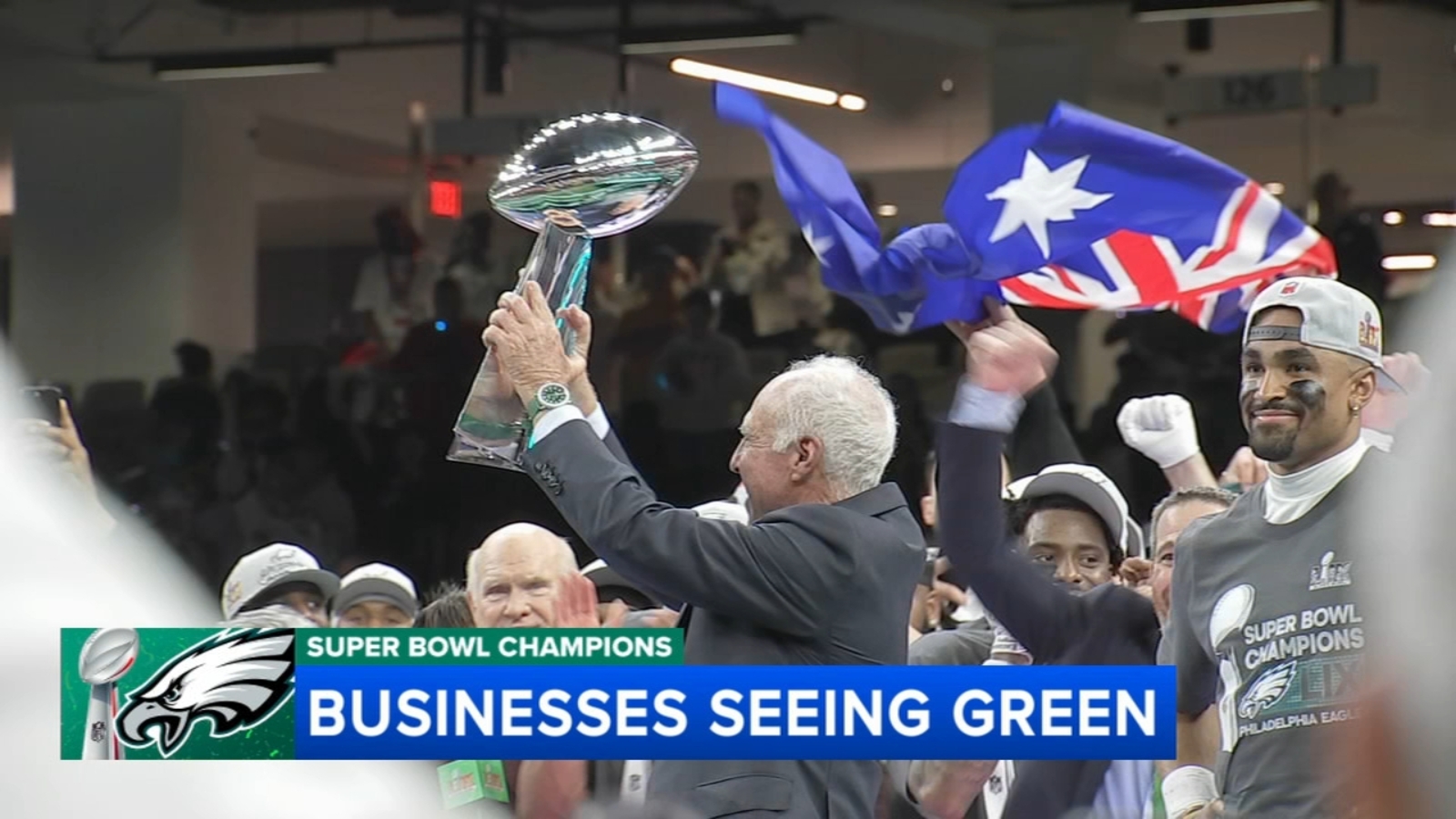
Philadelphia is still buzzing from the Eagles’ triumphant Super Bowl victory, and the city’s businesses are reaping the rewards. The eagles super bowl parade economic impact has been nothing short of remarkable, with hundreds of thousands of visitors pouring into Center City to celebrate. However, an unusual scheduling conflict has local restaurant owners holding their breath: the championship parade falls on Valentine’s Day, traditionally the busiest night of the year for the dining industry.
From sold-out hotel rooms to packed sports bars, the green and white wave has delivered a financial windfall. But will the very thing that made Philadelphia’s victory so economically sweet end up costing restaurants their most lucrative evening? Here’s a closer look at the numbers, the concerns, and how the city is trying to make both celebrations work.
A Sea of Green Floods Center City
The Eagles’ Super Bowl appearance didn’t just energize fans; it transformed Philadelphia into a destination. According to city data, approximately 353,914 visitors descended upon Center City on Super Bowl Sunday alone. That staggering figure represents a 97% surge compared to the week prior and a 44% jump over the corresponding Super Bowl Sunday back in 2018.
For local businesses, those numbers translated into cold, hard cash.
Hotels See Record Demand
Ben Fileccia, a spokesperson for the Pennsylvania Restaurant and Lodging Association, noted that the Eagles’ playoff run functioned as a powerful economic engine. “As the Eagles kept winning, it was a big win for restaurants. It was a big win for hotels , people were coming into the city,” he explained.
While Visit Philly had not yet released official hotel occupancy numbers for the latest Super Bowl, historical benchmarks suggest the impact is enormous. During the 2018 championship parade, Center City hotel occupancy reached 92% the day before the celebration and remained robust at 90% on the day of the parade itself. Industry insiders expect similar, if not higher, figures this time around.
Restaurants Catch a Welcome Wave
Beyond lodging, the championship run provided a meaningful boost to Philadelphia’s culinary scene. Crowds gathered at bars and restaurants throughout the playoffs and into the Super Bowl, driving sales well above seasonal averages.
“You know, it’s been a real boon to the city of Philadelphia,” Fileccia said, summing up the enthusiasm shared by countless operators across the region.
The Valentine’s Day Conundrum
For all the celebration, there is a cloud hovering over the parade route: Valentine’s Day. The romantic holiday traditionally represents the single most important revenue night of the year for restaurants. Falling on the same day as the Super Bowl parade has left restaurateurs nervous about empty tables.
The Restaurant “Super Bowl” Meets the Real Super Bowl
Fileccia put it bluntly: “Valentine’s Day is the restaurant Super Bowl. I mean, it is the number one biggest night of the year for restaurants in Philadelphia.” With the parade drawing enormous crowds into the same neighborhoods where couples typically book intimate dinners, the timing couldn’t be trickier.
Cancellations and No-Shows Spark Concern
The chief worry isn’t simply that reservations might be canceled, but rather that guests will fail to show up at all. Industry veterans know that a no-show is far worse than an early cancellation. An empty seat that could have been filled by a walk-in or waitlist guest becomes pure lost revenue.
Michael O’Halloran, executive chef at Charlie Was a Sinner in Center City, articulated the frustration shared by many of his peers. “The worst thing would be a no-show because we don’t get business. And then somebody who really wanted to get here for Valentine’s Day can’t make it. So just looking at that empty seat’s not a good thing,” he said.
How the City Is Responding
Recognizing the potential strain on downtown businesses, Philadelphia officials have pledged to clean up and reopen the streets as quickly as possible once the parade concludes. The goal is to restore normal traffic flow, parking access, and pedestrian mobility in time for the evening dinner rush.
For restaurant operators, this commitment offers a glimmer of hope , and an opportunity to pitch a creative marketing message to their customers.
Double the Fun, One Historic Day
O’Halloran framed the situation with a playful spin, encouraging Philadelphians to embrace both occasions. “You can go out in the morning and early afternoon and show love for the Eagles,” he suggested. “And then come out for dinner and show love to your significant other, and just make it one long day of love.”
That pitch captures the unique spirit of the moment. Rather than choosing between fandom and romance, locals can celebrate both in a single, memorable day.
The Ask From Restaurants
Beyond the city’s cleanup promises, restaurants have issued one simple request to anyone holding a Valentine’s Day reservation: if your plans change, please cancel as soon as possible. Early cancellations allow establishments to fill those tables with eager guests from their waitlists.
This small courtesy can make an enormous difference. A reservation canceled Monday instead of Friday at 4 p.m. could be the difference between a packed dining room and a string of empty seats during the most profitable night of the year.
Looking at the Bigger Picture
The overall eagles super bowl parade economic impact is undeniably positive for Philadelphia. Tourism, hospitality, and retail sectors have all benefited from the wave of visitors eager to be part of history. From hotels to sports bars to souvenir shops, the championship celebration has delivered measurable gains.
The Valentine’s Day overlap represents a short-term logistical challenge rather than a fundamental threat. The economic boost from the parade itself , including increased foot traffic, parade-day spending, and the halo effect of national media coverage , should more than offset any isolated restaurant losses, provided the post-parade cleanup stays on schedule.
Lessons for Future Championship Runs
Cities planning for similar championship celebrations can take notes from Philadelphia’s experience. Coordinating parade timing, street cleanup, and communication with local businesses is essential. Clear messaging about street closures, parking restrictions, and reopening timelines helps both visitors and operators plan accordingly.
For Philadelphia, the lesson is also one of resilience. The city has hosted major sporting celebrations before, and the ability to balance fan enthusiasm with everyday commerce is a hallmark of a well-functioning urban center.
Final Thoughts
The Eagles’ Super Bowl victory has delivered an unmistakable economic lift to Philadelphia. Record visitor counts, near-capacity hotels, and bustling restaurants all point to a championship run that has paid dividends across multiple industries. While the collision with Valentine’s Day introduces some uncertainty for the dining sector, proactive communication, quick street cleanup, and early cancellations can help minimize any downside.
Ultimately, the eagles super bowl parade economic impact tells a story of a city winning twice: once on the football field, and once again in the form of tourism revenue, hospitality bookings, and small business growth. With a little planning and a lot of cooperation, Philadelphians can celebrate their team and their sweethearts in equal measure , making this Friday one unforgettable day of love, both for the Birds and for the people who cheer them on.