
When the confetti settled and the final chants of “E-A-G-L-E-S” faded into the Philadelphia night, an army of unsung heroes quietly took over the streets. The super bowl parade cleanup became one of the most impressive logistical operations the city has ever executed, with thousands of workers transforming a debris-strewn celebration route into spotless public spaces in a matter of hours. What happened after the cameras stopped rolling tells a remarkable story of civic pride, professional dedication, and the kind of behind-the-scenes coordination that makes Philadelphia a city like no other.
The Morning After: A City’s Gratitude
By the time most Eagles fans woke up on Saturday morning rubbing sleep from their eyes and replaying championship highlights, hundreds of city workers had already completed the bulk of their grueling overnight shifts. The parade route, which stretched from South Philadelphia all the way to the iconic Philadelphia Museum of Art, had hosted hundreds of thousands of jubilant fans the day before. By sunrise, much of that evidence had vanished.
Residents who had witnessed the celebration firsthand expressed genuine astonishment at the speed and thoroughness of the restoration effort. Francesco Gavazzi from Fairmount, who attended his first major Philadelphia celebration, noted that the cleanup was “pretty impressive” given the scale of the previous day’s festivities. His observation captured what many Philadelphians felt: a deep appreciation for the people who made their city shine again.
What Fans Left Behind
The scene following the championship parade resembled the aftermath of a massive outdoor festival. Streets were lined with discarded cups, food wrappers, broken glass, and an enormous quantity of beer bottles. One North Philadelphia resident described finding “a lot of trash all over, broken bottles, beer bottles – everything.” The sheer volume of debris reflected both the passion of Eagles nation and the challenge facing the city’s sanitation crews.
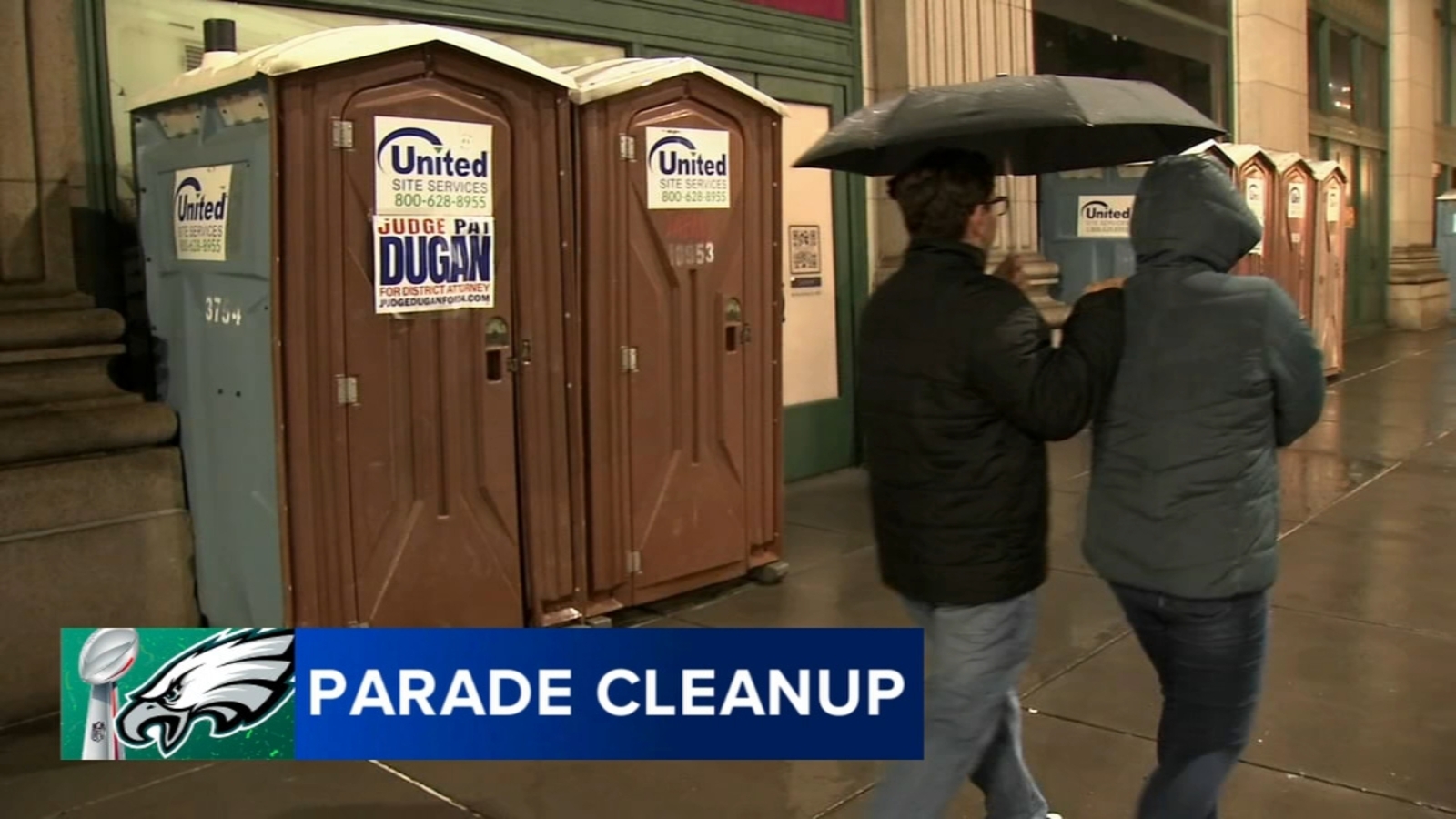
From the packed sidewalks of Broad Street to the open lawns of Eakins Oval, virtually every surface along the parade route bore the marks of celebration. Portable restrooms had served thousands throughout the day, and temporary fencing had kept crowds safely contained along key viewing areas. Removing all of this infrastructure while simultaneously clearing trash required a coordinated effort that few cities could replicate.
The Workers Behind the Magic
Dominick Mireles, director of the city’s Office of Emergency Management, oversaw what he described as a partnership involving more than 3,000 city workers and countless allied agencies. In a public statement following the event, Mireles expressed gratitude on behalf of his team, thanking “all fans, residents, and businesses for a successful celebration of our Super Bowl Champions.”
These workers represent the backbone of Philadelphia’s municipal services. Street sweepers rolled through major arteries in coordinated convoys. Sanitation crews worked in teams, hauling away bag after bag of compacted refuse. Transportation specialists ensured that SEPTA services resumed normal operations by 7 p.m. on Friday evening, just hours after the parade officially concluded. The Office of Emergency Management coordinated every moving piece, from traffic signal restoration to barricade collection.
A Coordinated Overnight Operation
Cleanup operations began immediately following the conclusion of the official ceremony at the Philadelphia Museum of Art. There was no downtime, no waiting period. The moment the last fans began their migration homeward, city crews mobilized. Mechanical street sweepers worked in tandem with hand crews who tackled the details machines couldn’t reach. Crews focused on:
- Removing broken glass and hazardous debris from high-traffic pedestrian zones
- Emptying and dismantling portable restroom facilities
- Collecting temporary fencing and crowd-control barricades
- Sweeping major thoroughfares including Broad Street and the Benjamin Franklin Parkway
- Restoring normal traffic patterns and signal operations
- Disposing of accumulated solid waste through the city’s sanitation infrastructure
By the time Broad Street traffic began flowing normally on Saturday evening, the transformation was nearly complete. Action News reporters noted that traffic moved smoothly through the corridor, though a few portable restrooms remained staged near Macy’s, and sections of fencing still lined portions of Eakins Oval.
Why the Philadelphia Eagles Super Bowl Parade Cleanup Matters
Major championship celebrations are logistical nightmares for any municipality. Cities like Philadelphia, which host parades drawing hundreds of thousands of people, face unique challenges that smaller celebrations simply do not present. The Philadelphia Eagles Super Bowl parade drew crowds estimated in the hundreds of thousands, transforming ten miles of city streets into a temporary festival ground for a single historic day.
The cleanup operation that followed demonstrated several important qualities about Philadelphia as a city:
Civic Pride and Professional Excellence
The city workers who performed the overnight cleanup are not anonymous figures. They are neighbors, family members, and fellow Eagles fans who understood the significance of the moment. Many likely wanted to be part of the celebration themselves, yet they chose to work through the night so that their city could return to normal operation as quickly as possible. Their dedication reflected the same championship mentality that had just carried the Eagles to victory.
Economic Considerations
A swift and thorough cleanup protects Philadelphia’s economic interests. The city welcomes millions of visitors annually, and the condition of public spaces directly influences tourism, business activity, and public perception. Allowing debris to accumulate for days would have created negative impressions and potentially impacted commerce. By restoring the parade route within 24 hours, Philadelphia sent a clear message that it can host world-class events without sacrificing the everyday quality of urban life.
Public Safety and Health
Broken glass, accumulated food waste, and inadequate waste management create genuine public health hazards. Rapid cleanup reduces risks of injury to pedestrians, prevents pest infestations, and ensures that stormwater systems function properly. The overnight operation wasn’t merely cosmetic; it was a public health imperative executed with precision.
Resident Reactions and Community Recognition
Philadelphia residents did not take the cleanup effort for granted. In conversations with local media, several community members took the opportunity to publicly thank the workers responsible. One man offered a simple but heartfelt “good job to those guys for making moves so quickly,” recognizing that speed and thoroughness are not automatic outcomes but rather the product of dedicated labor.
Nysir Proctor from Fairmount captured the broader sentiment beautifully when he told city workers: “Just remember you guys are the backbone of the city and everything, and thank you for all you do.” His words reflected a growing awareness that championship celebrations are collective achievements, made possible by countless people whose contributions never appear on sports broadcasts.
What Remains: The Final Phase
Even the most efficient cleanup operations require follow-through. While major roadways were largely restored by Saturday evening, certain infrastructure elements required additional time for removal. Director Mireles confirmed that the remaining portable restrooms and sections of temporary fencing along the parade route would be cleared by the following week. This final phase of restoration ensures that every trace of the temporary celebration infrastructure disappears, leaving behind only the memories and the championship legacy.
City Hall’s distinctive green glow, visible from various points along the parade route, continued to shine down on Saturday evening as a symbolic reminder of Philadelphia’s resilience and pride. Beneath that iconic illumination, residents and visitors moved freely through the restored corridor, perhaps not fully appreciating the labor that had preceded their easy passage.
The Hidden Story Behind Every Great Celebration
Championship parades generate countless memorable moments: the players hoisting trophies, the roaring crowds, the confetti drifting through crisp winter air, and the emotional speeches that bring grown adults to tears. Yet the true measure of a city’s character often emerges in the hours after the cameras leave and the crowds disperse.
The post-parade cleanup in Philadelphia exemplified the kind of quiet excellence that defines great urban centers. Three thousand workers, dozens of agencies, and countless hours of coordinated effort combined to ensure that a historic celebration left behind only memories, not messes. These sanitation crews, street sweepers, emergency management professionals, and transportation specialists earned their own championship recognition.
As Philadelphia continues to celebrate its Super Bowl victory and looks forward to defending its title, the city can take pride not only in its championship football team but also in the championship-level performance of its municipal workforce. The sanitation crews Philadelphia residents witnessed on parade weekend represent the very best of public service: skilled, dedicated, and proud of their city. Their overnight work transformed streets, restored normalcy, and reminded everyone that behind every great celebration stands a team of professionals working tirelessly to honor the joy of the moment.
For Philadelphia, the championship parade was a defining moment. For the workers who cleaned up afterward, it was simply another shift, performed with the same excellence they bring to every task. That combination of historic achievement and everyday dedication is what makes Philadelphia truly exceptional.