
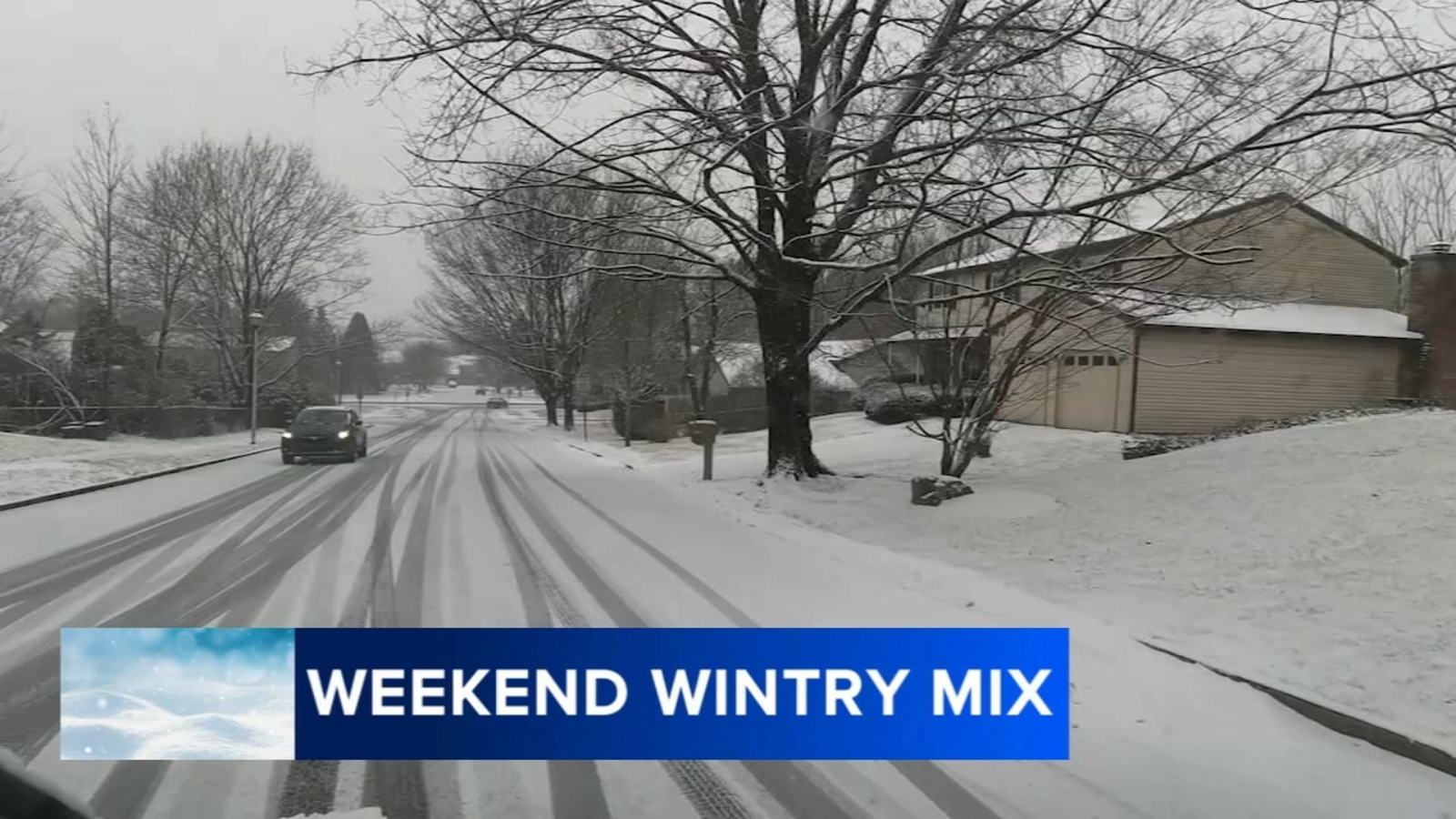
When winter weather strikes, even the most experienced drivers can find themselves white-knuckling the steering wheel. Winter driving safety isn’t just a seasonal suggestion , it’s a critical skill set that can mean the difference between arriving home safely and ending up in a ditch. From freezing rain and sleet to snow-packed roads and invisible black ice, the hazards are real, and they’re often unpredictable. As transportation departments across the country urge caution, drivers everywhere are searching for practical guidance on how to navigate slick and icy conditions without panic.
Why Winter Driving Demands Extra Caution
Anyone who has lived through a Mid-Atlantic or Northeast winter knows that conditions can shift dramatically within a single afternoon. One minute the pavement looks wet and harmless; the next, it’s coated in a thin layer of glare ice. Drivers in towns like Quakertown, Allentown, and East Greenville, Pennsylvania, regularly face this exact scenario , snow falling in the morning, rain washing it away by afternoon, and freezing temperatures turning every remaining puddle into a skating rink overnight.
The problem isn’t just the weather itself. It’s the unpredictability. A road that was perfectly clear on your morning commute can become treacherous by lunchtime. That uncertainty is exactly why PennDOT and similar agencies across the country issue repeated warnings every winter, urging motorists to slow down, stay alert, and adjust their habits when conditions deteriorate.
Understanding Slick and Icy Road Conditions
Not all winter hazards are created equal. Knowing what you’re actually driving into is half the battle.
The Hidden Dangers of Black Ice
Black ice is perhaps the most feared winter road hazard because it’s virtually invisible. It forms when moisture freezes into a thin, transparent layer on the pavement, blending seamlessly with the dark asphalt beneath. Bridges, overpasses, shaded stretches of road, and intersections where cars have polished the snow are common culprits. Because you can’t see it, the best defense is to assume it exists , especially when temperatures hover around the freezing mark.
Freezing Rain, Sleet, and Snow: Know the Difference
Each type of precipitation creates its own unique set of challenges:
- Freezing rain falls as liquid but freezes on contact, coating every surface in a sheet of ice. This is one of the most dangerous conditions a driver can encounter.
- Sleet consists of small ice pellets that bounce on impact. It reduces visibility and reduces traction, but it’s generally easier to drive on than freezing rain.
- Snow , whether light flurries or a heavy snowfall , reduces traction and visibility, but plowed or salted roads can often be navigated with caution.
Essential Winter Driving Safety Tips
When conditions turn rough, the right mindset and preparation can keep you out of harm’s way.
Before You Hit the Road
A little preparation goes a long way toward safe winter driving. Before leaving the house, check the local forecast and road conditions. Many state transportation departments offer real-time maps showing plowing progress and trouble spots. If conditions are particularly bad, ask yourself whether the trip is truly necessary. Sometimes the safest decision is simply staying home.
If you do need to drive, take a few extra minutes to prepare your vehicle:
- Clear all snow and ice from your windshield, windows, mirrors, headlights, and taillights.
- Make sure your gas tank is at least half full to prevent fuel line freeze-ups.
- Pack an emergency kit that includes a blanket, flashlight, jumper cables, water, snacks, sand or kitty litter for traction, and a small shovel.
Mastering the Art of Driving on Ice
The golden rule of safe winter driving is simple: slow down. Speed limits are designed for ideal conditions, and when ice or snow is present, they become irrelevant. Reduce your speed significantly, and increase your following distance to at least eight to ten seconds. This gives you the reaction time you’ll need if your vehicle begins to slide.
Avoid sudden movements of any kind , no sharp turns, no abrupt lane changes, no stomping on the gas. Every input to the steering wheel, accelerator, and brakes should be smooth and gradual. Jerky motions are what send vehicles spinning into ditches or, worse, into oncoming traffic.
Braking Techniques for Slippery Conditions
Modern anti-lock braking systems (ABS) have made winter braking much safer, but only if you use them correctly. If your car has ABS, apply firm, steady pressure to the brake pedal and let the system pulse the brakes for you. Don’t pump the pedal , the computer handles that automatically.
If you’re driving an older vehicle without ABS, you’ll need to pump the brakes gently to avoid locking up the wheels. Threshold braking , applying just enough pressure to slow the wheels without locking them , is the technique to practice before you find yourself on ice.
What Road Crews Do , and How You Can Help
State transportation departments like PennDOT work around the clock during winter weather events. Crews spread salt and brine to melt ice, plow snow from major arteries, and respond to accidents that block traffic. Their efforts keep roads passable, but they can’t be everywhere at once. Side streets, rural routes, and lesser-traveled roads often remain untreated for hours after a storm.
The best way to help road crews is simple: give them space. If you see a salt truck or plow, stay well back , at least 100 feet if possible. Their drivers have limited visibility, and passing them is both dangerous and counterproductive. Most importantly, never crowd a plow. They’re doing the slow, methodical work of making roads safe, and impatient drivers only slow the process or risk a collision.
Common Mistakes Drivers Make in Winter
Even careful drivers can fall into bad habits when the weather turns bad. Here are some of the most frequent mistakes:
- Driving too fast for conditions. Just because the speed limit says 45 doesn’t mean it’s safe to drive 45 on ice.
- Following too closely. Tailgating is dangerous year-round, but it’s especially deadly when stopping distances can double or triple.
- Braking on icy hills. If possible, gain a little momentum before climbing a hill and avoid braking mid-slope. Stopping on an icy incline often means you won’t start moving again.
- Overreacting to a skid. When your car begins to slide, your instinct is to slam the brakes and yank the wheel , the exact opposite of what you should do. Steer gently into the direction of the skid and let off the accelerator.
- Forgetting to clear the entire car. Snow flying off your roof or hood at highway speeds creates a hazard for drivers behind you. Take a few extra minutes to brush off the whole vehicle.
Preparing Your Vehicle for Winter Weather
Long-term preparation matters as much as what you do on the day of a storm. Winter tire safety is one of the smartest investments a driver can make. Winter tires are designed with rubber compounds that stay flexible in cold temperatures, plus deeper tread patterns that grip snow and slush far better than all-season tires.
You should also keep your battery in good condition , cold weather weakens even strong batteries. Have your brakes checked, top off your windshield washer fluid with a winter blend that won’t freeze, and consider replacing wiper blades if they show any signs of wear. These small investments pay off the first time you really need them.
Staying Calm When the Unexpected Happens
If you do find yourself sliding off the road or stuck in a snowbank, the most important thing is to stay calm. Stay in your vehicle if traffic is moving nearby, turn on your hazard lights, and call for help. If conditions are too dangerous to exit the vehicle, hunker down with your emergency kit and wait for assistance. Running your engine periodically for heat is fine, but make sure your exhaust pipe is clear of snow to prevent carbon monoxide buildup.
Conclusion
Winter driving safety ultimately comes down to three things: respect for the conditions, respect for other drivers, and respect for your own limitations. Snow, sleet, freezing rain, and black ice are forces of nature that no amount of mechanical engineering can fully overcome. The roads will clear, the salt trucks will make their rounds, and eventually spring will arrive , but until then, every trip behind the wheel deserves a little extra caution. Slow down, leave early, and remember that no destination is worth the risk of a preventable accident. Stay safe out there.