
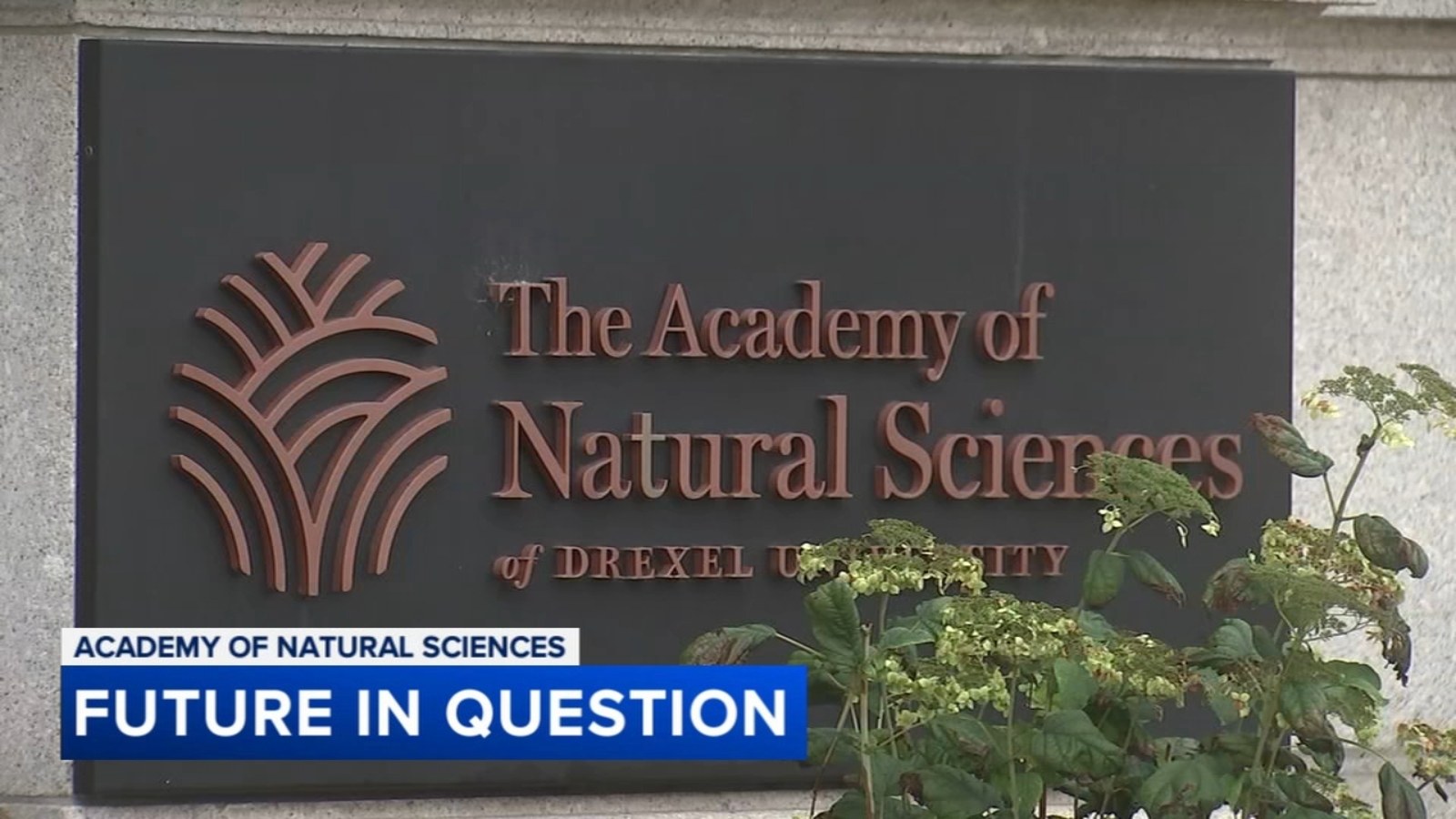
The announcement of the academy of natural sciences closure in Philadelphia has sent shockwaves through the cultural and scientific communities. After nearly two centuries of operation, the historic institution on the Benjamin Franklin Parkway is preparing to shutter its doors to the public at the end of the month. However, a determined coalition of city and state leaders is fighting to preserve the legacy and mission of this iconic Philadelphia institution.
David Cohen, a distinguished attorney and former U.S. Ambassador to Canada, has emerged as a central figure in the preservation effort. Speaking with visible emotion, Cohen described the situation as something that “makes me heartsick,” underscoring the deep personal connection many Philadelphians feel toward this treasured museum.
A Coalition Forms to Save a Philadelphia Treasure
The campaign to keep the Academy of Natural Sciences alive represents a rare display of bipartisan cooperation between state and city officials. Governor Josh Shapiro personally enlisted Cohen’s help, recognizing the institution’s significance to Pennsylvania’s cultural heritage. Philadelphia Mayor Cherelle Parker has also joined the effort, releasing a statement to local media affirming, “We are working collaboratively toward the outcome we all seek for the City of Philadelphia.”
This united front demonstrates just how seriously Pennsylvania’s leadership views the potential loss of the academy. The museum is more than just a tourist attraction; it represents a pillar of scientific research, educational outreach, and community engagement that has served generations of residents and visitors.
The Drexel University Connection
Cohen has outlined his strategy as attempting to broker a partnership between the Academy of Natural Sciences and Drexel University. This potential alliance could provide the institutional stability and academic backing needed to sustain the academy’s operations in a new form.
Using a memorable analogy, Cohen described the academy’s core functions as “a three-legged stool” consisting of research, education, and public engagement. While acknowledging that these three pillars might be scaled back somewhat in a restructured organization, he expressed confidence that the institution’s overarching mission would endure.
“Each of the legs may be a little shorter… but that long-run mission of the academy will continue,” Cohen explained.
This pragmatic approach acknowledges financial realities while preserving the essence of what makes the academy valuable to Philadelphia and the broader scientific community.
Understanding the Financial Challenges
The academy of natural sciences closure did not happen overnight. The museum has weathered years of mounting financial pressure, driven largely by sustained declines in attendance. Like many cultural institutions across the country, the academy struggled to maintain visitor numbers sufficient to support its operations and ambitious programming.
Cohen acknowledged these difficulties but expressed optimism about the future. While the Parkway museum building will likely be vacated, he suggested the museum itself could return in a smaller, more sustainable configuration. One option under consideration involves the sale of the current building, which could provide capital for a reimagined operation.
Competition From Other Cities
In a particularly striking revelation, Cohen disclosed that the academy had attracted interest from other potential locations, including Cleveland and even Abu Dhabi. The prospect of losing such a significant scientific collection and research operation to another city, or another country, galvanized local leaders into action.
“It’s part of who we are,” Cohen emphasized, making clear that keeping the academy in Philadelphia was a non-negotiable priority for the preservation effort.
Government Support and Strategic Leadership
Adding further momentum to the preservation campaign, city officials announced that Philadelphia Deputy Mayor Patricia “Trish” Wellenbach will be temporarily loaned to the academy. She will serve as a senior adviser, helping guide the institution through this transitional period.
This governmental support signals a serious commitment to ensuring the academy does not simply fade away. By providing high-level administrative expertise, Philadelphia is investing in the institution’s future viability while discussions about Drexel University and other partnerships continue.
The Scope of What’s at Stake
To fully appreciate the significance of the academy of natural sciences closure, one must understand the scale of its collections and operations. The institution houses approximately 19 million artifacts, representing one of the most significant natural history collections in the United States. Following the museum’s scheduled September 30 closure, the painstaking process of relocating these irreplaceable specimens will begin.
This collection includes everything from dinosaur fossils and butterfly specimens to botanical samples and anthropological artifacts. The scientific and historical value of these materials cannot be overstated, which is precisely why preservation efforts have taken on such urgency.
A Legacy Worth Fighting For
For nearly 200 years, the Academy of Natural Sciences has served as Philadelphia’s gateway to the natural world. Generations of schoolchildren have experienced their first encounters with dinosaur skeletons, exotic wildlife, and scientific discovery within its walls. Researchers have made groundbreaking contributions to fields ranging from paleontology to environmental science using its extensive collections.
Cohen’s description of the academy as “a part of our history” and “a part of our culture” resonates with countless Philadelphians who carry memories of visits to this beloved institution. The fight to preserve the academy represents more than just saving a building; it’s about maintaining Philadelphia’s identity as a hub of scientific inquiry and public education.
Looking Toward a New Chapter
While the immediate future involves significant changes, including the departure from the Parkway location and the sale of the current building, the long-term vision remains hopeful. Cohen and other leaders envision an academy that continues to fulfill its three core missions, even if in a different physical configuration.
Potential scenarios include a smaller museum presence, enhanced research facilities, or expanded educational programming in partnership with Drexel University. The key is maintaining the institutional knowledge, collections, and mission that have defined the academy since its founding.
Community Response and Next Steps
The news of the academy’s planned closure has prompted an outpouring of support from the Philadelphia community and beyond. Scientific organizations, educational advocates, and former visitors have all recognized what’s at stake and expressed hope that preservation efforts will succeed.
As the September 30 deadline approaches, the pressure mounts on all parties involved to reach a sustainable agreement. The collaboration between Governor Shapiro’s office, Mayor Parker’s administration, Drexel University representatives, and the academy’s leadership represents the kind of concerted effort needed to navigate this complex situation.
What This Means for Philadelphia
The potential loss of the academy would create a significant void in Philadelphia’s cultural landscape. As one of the oldest natural sciences institutions in the Western Hemisphere, its closure would represent a notable setback for the city’s reputation as a center of scientific learning and discovery.
However, the proactive intervention by political and civic leaders suggests that this story may have a more positive结局 than initially feared. By working to preserve the academy’s essential functions rather than simply mourning its closure, Philadelphia is demonstrating the kind of forward-thinking leadership that can save important institutions from extinction.
The Path Forward
As discussions continue and the September 30 closure date looms, the academy of natural sciences closure remains a fluid situation. What appears certain is that the institution will undergo significant transformation, but the commitment from city and state leaders suggests that its essential character will endure.
The partnership with Drexel University, if successfully negotiated, could provide a model for how academic institutions can support cultural organizations facing financial difficulties. Such arrangements could become increasingly important as traditional museums and research institutions nationwide confront similar challenges.
For Philadelphians and visitors who have treasured the Academy of Natural Sciences, the ongoing preservation efforts offer genuine hope. While the familiar Parkway location may soon close its doors, the possibility remains that the academy will emerge in a new form, continuing its nearly 200-year tradition of scientific exploration, education, and public engagement. The collaborative spirit demonstrated by Cohen, Governor Shapiro, Mayor Parker, and other leaders suggests that this beloved institution’s best chapters may still lie ahead, even as it navigates one of its most difficult periods.