
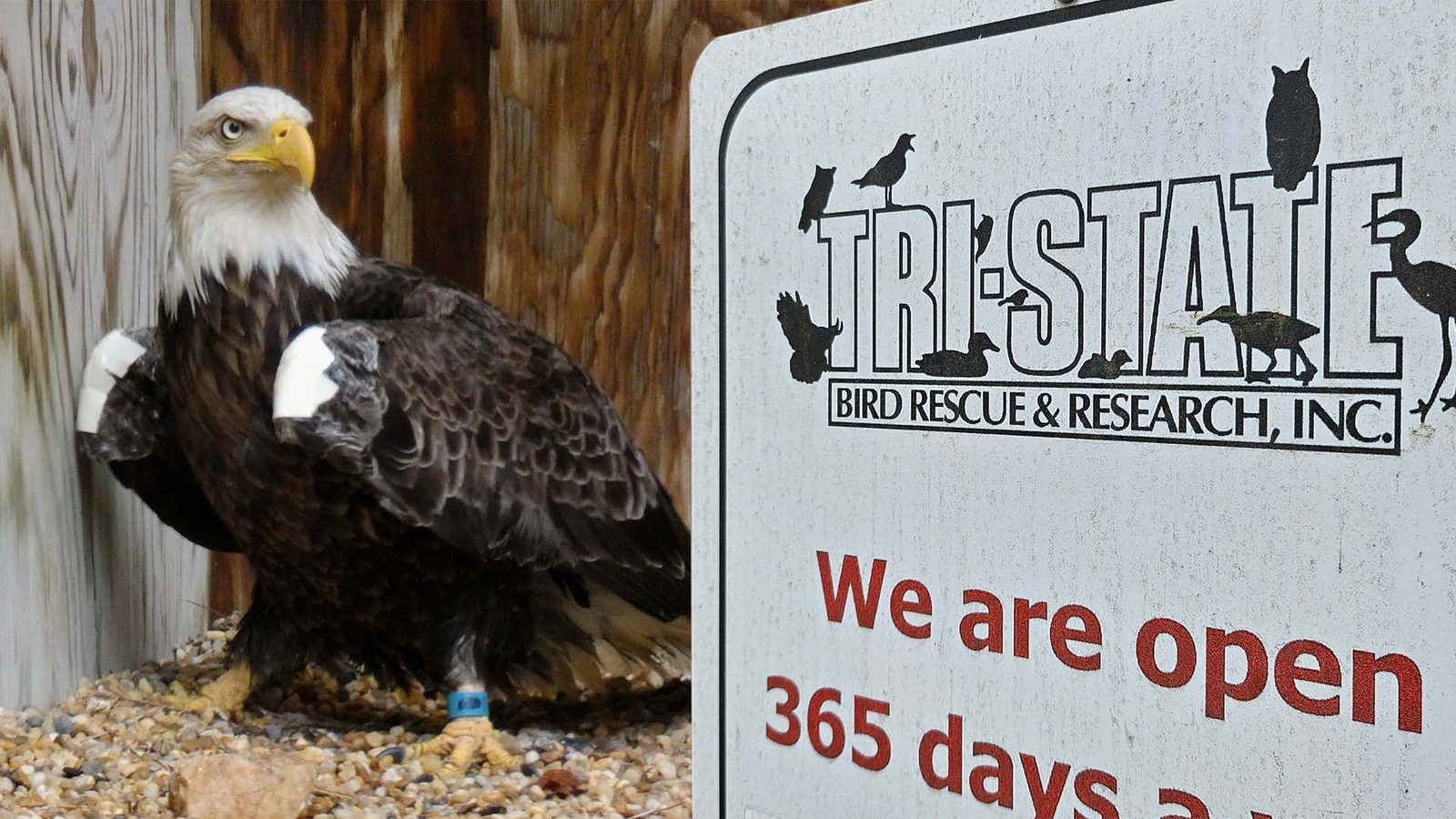
When a bald eagle tumbles from the sky with a broken wing, or a migratory songbird is found dazed beside a highway, there’s a critical question: where does that bird go to heal? For nearly five decades, tri-state bird rescue has been the answer for countless injured, orphaned, and oil-contaminated birds across Delaware, Pennsylvania, and Maryland. Located in Newark, Delaware, this remarkable organization has built a legacy of compassion, expertise, and dedication to native wildlife conservation.
If you’ve ever wondered what happens to the wild birds you see struggling in your backyard, or felt helpless watching a grounded rafter on the side of the road, this guide will walk you through the essential work of one of the Mid-Atlantic’s most important wildlife rehabilitation centers.
The Mission Behind Tri-State Bird Rescue & Research
Tri-State Bird Rescue & Research isn’t just a clinic for sick birds. It’s a fully operating wildlife rehabilitation center staffed by licensed veterinarians, biologists, and trained volunteers who devote their careers to saving native bird species. Founded nearly 50 years ago, the organization has grown from a small volunteer operation into a regionally recognized authority on avian care.
The facility’s dual focus on injured wildlife care and large-scale oil spill response sets it apart from typical rehabilitation centers. While many organizations specialize in one area, Tri-State has developed expertise in both individual patient care and catastrophic environmental incidents. This combination makes the center uniquely equipped to handle everything from a single injured sparrow to hundreds of oiled seabirds following a tanker spill.
Their core mission is straightforward but profound: to provide state-of-the-art medical care to injured birds and return them to the wild whenever possible. Every patient represents a small victory for biodiversity and ecological balance.
Specialized Care for Raptors and Songbirds
Perhaps the most awe-inspiring patients at the facility are bald eagles, the symbolic birds of American conservation success. Tri-State Bird Rescue regularly treats eagles suffering from lead poisoning, vehicle collisions, territorial fights, and window strikes. Each raptor requires specialized handling, custom-built enclosures, and weeks or months of rehabilitation before release.
Common Cases Treated at the Center
- Raptors: Bald eagles, red-tailed hawks, great horned owls, and other birds of prey
- Songbirds: Robins, cardinals, warblers, and finches impacted by window collisions or domestic cats
- Seabirds: Gannets, cormorants, and loons during oil spill events along the Atlantic coast
- Waterfowl: Ducks and geese affected by lead poisoning or fishing tackle ingestion
- Owls: Nocturnal species recovering from vehicle strikes and rodenticide exposure
Each species requires tailored nutrition, housing, and medical protocols. Raptors need elevated perches in flight enclosures to rebuild muscle tone. Songbirds require smaller mesh aviaries where they can practice foraging. Oiled birds need careful washing procedures that can take hours per patient.
Oil Spill Response: A Critical Specialty
Tri-State Bird Rescue has earned national recognition as a federally authorized oil spill response contractor. When crude oil, diesel, or other petroleum products contaminate coastal waters, the consequences for bird populations can be devastating. A single small spill can affect dozens or hundreds of seabirds, waterfowl, and shorebirds.
The organization maintains trained response teams, specialized cleaning equipment, and pre-stocked supplies ready to deploy at a moment’s notice. Their bird washing facility can handle mass casualties with efficiency and compassion. Birds are stabilized, cleaned with specialized degreasers, and monitored for weeks while their waterproofing returns.
This dual expertise in everyday wildlife rehabilitation and catastrophic environmental response makes Tri-State an invaluable resource not just regionally, but nationally. They’ve responded to spills up and down the Eastern Seaboard, working alongside government agencies, other rehabilitation centers, and volunteer organizations.
What to Do If You Find an Injured Bird
One of the most important pieces of information the team at tri-state bird rescue shares with the public is how to respond when you encounter an injured bird. The wrong response can sometimes do more harm than good, so understanding the basics is essential for any nature lover.
Step-by-Step Guide for Helping Injured Wildlife
- Assess the situation: Determine whether the bird truly needs help. Baby birds on the ground may simply be fledglings learning to fly, with parents still nearby.
- Call your local wildlife rehabilitator: Experts recommend contacting a licensed rehabilitator before handling any wildlife. They can advise whether intervention is necessary.
- Use caution when handling: Even small birds can carry diseases and parasites. Wear gloves when possible and minimize handling time.
- Keep the bird safe and contained: Place the bird in a ventilated box lined with a soft cloth, kept in a quiet, dark, and warm location.
- Transport quickly: Get the bird to the rehabilitation center as soon as possible without delay.
- Don’t attempt home treatment: Wild birds have specific dietary and medical needs that untrained individuals cannot safely meet.
The team emphasizes that well-meaning attempts to care for injured birds at home often result in death. Wild birds require specialized diets, appropriate housing, and species-specific medical care that only licensed facilities can provide.
Visiting Tri-State Bird Rescue
The facility welcomes injured birds every day of the week from 9:00am to 5:00pm. Whether you’ve rescued a hawk tangled in fishing line or found a baby bird displaced from its nest, you can bring your patient directly to the center.
Facility Address: 170 Possum Hollow Road, Newark, DE 19711
Phone: 302-737-9543
Website: tristatebird.org
If you’re not sure whether a bird needs help, the staff can provide guidance over the phone. They can also refer you to other licensed rehabilitators in your area if your local situation requires it.
How You Can Support the Mission
Wildlife rehabilitation is expensive work. Medical supplies, specialized food, heating equipment, and facility maintenance all require steady funding. There are several meaningful ways supporters can help Tri-State Bird Rescue continue its vital work.
Volunteer Opportunities
The center relies heavily on trained volunteers to assist with daily operations. Volunteers help with feeding, enclosure cleaning, bird transport, and administrative tasks. Prospective volunteers typically must complete an application process and training program before working directly with patients.
Donations and Sponsorship
Financial contributions directly fund patient care, equipment purchases, and facility improvements. Some supporters choose to sponsor a specific patient’s rehabilitation, receiving updates on their recovery and release. In-kind donations of supplies like towels, paper towels, and cleaning solutions are also welcome.
Education and Outreach
Educational programs teach community members about bird identification, habitat protection, and what to do during wildlife emergencies. Schools, scout troops, and nature organizations frequently partner with the center for presentations and field trips.
Broader Wildlife Rescue in the Region
Tri-State Bird Rescue isn’t the only remarkable organization caring for forgotten and injured animals in the Mid-Atlantic region. The spirit of wildlife compassion extends across state lines, with sanctuaries large and small providing refuge for creatures in need.
One such example is the Blackbird Animal Refuge in South Jersey, founded by Kristin Pultro and her partner. While Tri-State focuses on native wildlife, particularly birds, Blackbird Animal Sanctuary has made it their mission to provide lifelong care for farm animals rescued from neglect, abuse, and slaughter. Together, these organizations represent the broader animal welfare movement that’s growing stronger every year.
This interconnected network of rescue organizations means that whether you encounter an injured songbird, an orphaned fawn, or a forgotten farm animal, there’s likely a caring facility ready to help somewhere nearby.
The Future of Avian Conservation
Native bird populations across North America face unprecedented challenges. Habitat loss, climate change, window collisions, domestic cats, pesticides, and lead poisoning take a cumulative toll on species already struggling. According to multiple studies, North America has lost nearly 30 percent of its bird population since 1970.
Organizations like tri-state bird rescue represent a critical frontline defense. Each bird successfully rehabilitated and returned to the wild contributes to the genetic diversity and ecological health of local ecosystems. A single released eagle pair can produce dozens of offspring over their lifetime. A returned songbird can help stabilize a struggling migratory population.
The work is slow, methodical, and often heartbreaking. Not every patient survives. But the cumulative impact of nearly 50 years of dedicated care is staggering: thousands of birds returned to the skies, hundreds of oil spill responses coordinated, and countless community members educated about the importance of wildlife stewardship.
Conclusion
Tri-State Bird Rescue & Research stands as a beacon of hope for injured birds throughout the Mid-Atlantic region. From treating majestic bald eagles to responding to catastrophic oil spills, this dedicated team has built a legacy of compassionate, expert care that benefits both individual animals and entire ecosystems. Whether you’re a rescuer bringing in a patient, a volunteer donating your time, or a donor contributing to medical supplies, you can play a part in this essential work.
The next time you spot a bird struggling in your neighborhood, remember that help is available. A single phone call to 302-737-9543 could mean the difference between life and death for one of our feathered neighbors. Together, we can ensure that tri-state bird rescue continues giving injured birds a second chance at the wild lives they deserve.