
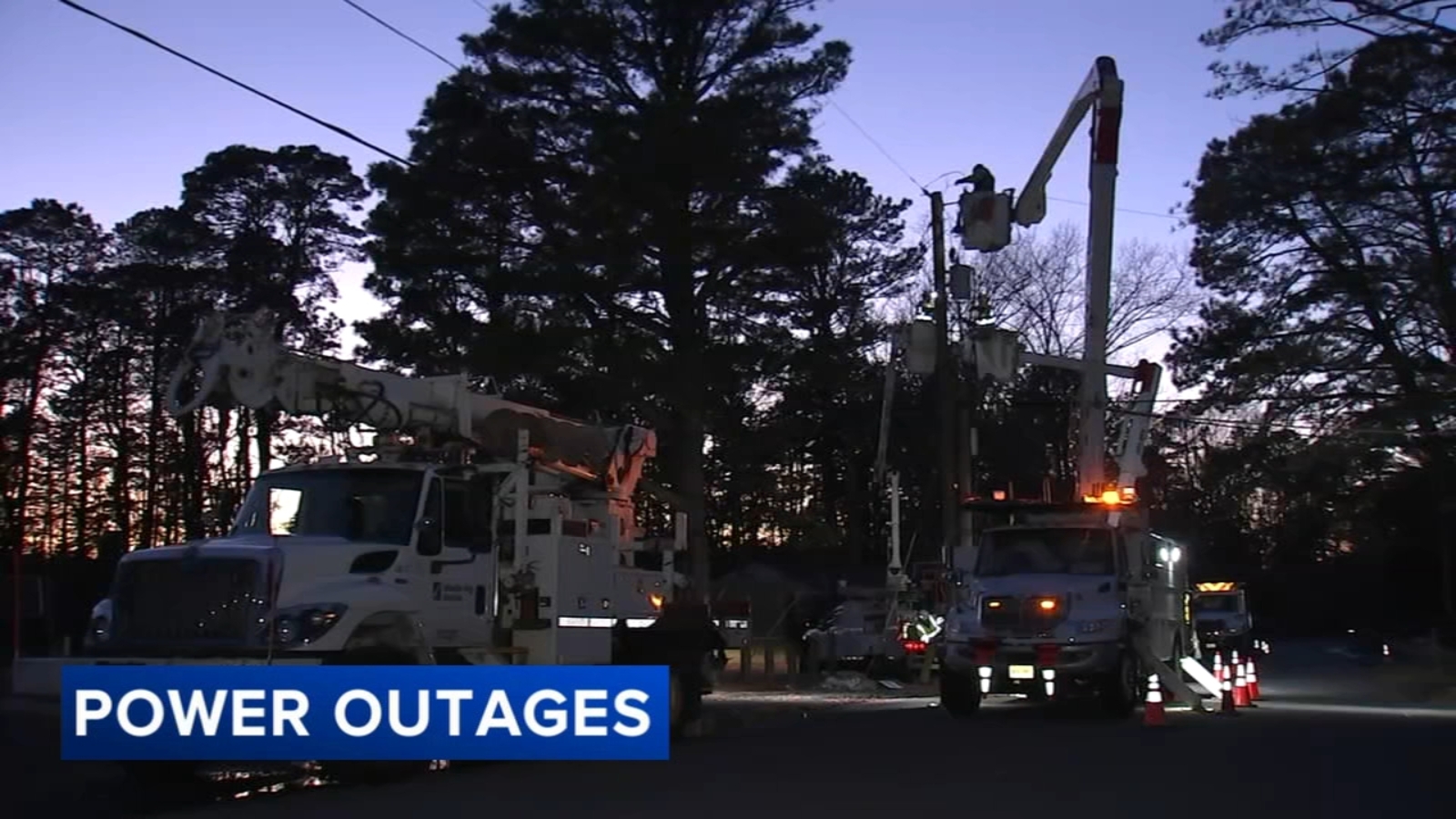
When powerful wind gusts swept across southern New Jersey over the weekend, thousands of residents found themselves thrust into an unexpected battle against the elements. The Atlantic City Electric power outage that followed these punishing winds continues to affect roughly 2,000 customers, even as utility crews work tirelessly to restore service across multiple communities. While crews made significant progress by Monday evening,restoring power to approximately 2,500 homes and businesses,the road to full recovery remains ongoing for many families still waiting in the cold and dark.
This latest weather event underscores a sobering reality for New Jersey residents: even brief storms can leave lasting disruptions, and the timeline for power restoration often extends far beyond what affected families initially anticipate. From Glassboro to Medford Lakes, communities are navigating the challenges of extended outages while hoping that promises of restoration hold true.
Communities Still Waiting: A Snapshot of the Affected Areas
Glassboro Residents Face Extended Wait Times
Along Mullica Hill Road in Glassboro, New Jersey, the frustration has been palpable for residents like Eddie and Jennifer Quinn. Their power went out Sunday night while they were preparing dinner,a routine moment interrupted without warning. Like many homeowners in the area, the Quinns initially assumed the interruption would be brief. After all, outages in their neighborhood aren’t a frequent occurrence.
“I was thinking it wouldn’t last long, but now they’re saying not till tomorrow night at 11 p.m.,” they explained, capturing the disappointment shared by countless families across the region. What makes their situation particularly puzzling is the absence of any obvious cause,no downed trees on their street, no visible damage to power lines. The mystery of the outage has only added to the anxiety of waiting.
Medford Lakes Confronts Visible Storm Damage
Meanwhile, the situation in Medford Lakes tells a different but equally challenging story. Resident Ryan Juckett described hearing what he believed was an explosion late at night, likely the sound of a massive tree falling onto power infrastructure. His daughter’s account of the noise was followed by flickering lights and then complete darkness the next morning.
Crews were visible in the neighborhood on Monday evening, assessing damage and working on transformers. However, the reported restoration time of “tomorrow night” has left residents skeptical. “Hoping that’s wrong,” Juckett noted, voicing a sentiment that many customers share when utility companies provide estimated restoration windows.
The Storm’s Wrath: Understanding What Caused the Outage
The New Jersey power outage affecting these communities was triggered by an intense windstorm that swept through the region. Some areas experienced wind gusts reaching an astonishing 70 miles per hour,speeds comparable to a Category 1 hurricane. Such extreme conditions create multiple threats to electrical infrastructure:
- Falling trees and branches that take down power lines
- Damaged transformers from debris impact
- Crossed or downed lines from sustained high winds
- Equipment failures caused by power surges and instability
Beyond the immediate damage, these dangerous wind conditions forced utility crews to temporarily halt their restoration efforts. Working in 70 mph gusts presents serious safety risks, as crews operating bucket trucks or handling live wires face potentially life-threatening conditions. This necessary pause extended the overall timeline for getting customers back online.
Atlantic City Electric’s Restoration Strategy and Timeline
Atlantic City Electric has been working diligently to address the widespread outages, and the utility’s progress on Monday evening marked a significant milestone. With crews restoring power to approximately 2,500 customers in a single day, the utility demonstrated substantial mobilization of resources. However, the roughly 2,000 remaining customers without power represent the next critical phase of the operation.
According to official statements, the Atlantic City Electric restoration timeline indicates that the majority of affected customers should see service restored by Tuesday night. Only a small handful of customers with more complex repairs may need to wait until Wednesday for full restoration.
Prioritization of Repairs
Utility companies typically follow a structured approach when restoring power after widespread storm damage:
- Addressing safety hazards first,including downed live wires and damaged equipment that poses risks to the public
- Restoring transmission infrastructure,getting high-voltage lines and substations back online to feed local distribution systems
- Repairing main distribution lines,which restore power to the largest numbers of customers at once
- Addressing individual service lines,the final connections that bring power directly to homes and businesses
This methodical approach explains why some neighborhoods see restoration before others, even when they’re geographically close to one another.
Life Without Power: How Families Are Coping
The human dimension of this outage cannot be ignored. Behind every statistic is a family adjusting to circumstances that disrupt nearly every aspect of daily life. From the simple act of preparing meals to the critical concern of keeping food safe, the challenges multiply quickly.
Ryan Juckett’s response was emblematic of the practical decisions many residents faced. “I had to come home early from work to buy a generator and get my fridge and freezer so all my stuff wouldn’t go bad,” he explained. This kind of scramble,whether to purchase generators, find alternative heating sources, or simply preserve food,represents the immediate financial and logistical burden placed on families during extended outages.
Essential Power Outage Preparation Tips
For residents currently navigating this outage and those preparing for future weather events, several strategies can help minimize disruption:
- Keep freezers closed: A full freezer can maintain safe temperatures for approximately 48 hours if unopened
- Invest in backup power: Portable generators or battery stations can keep essential devices running
- Stock emergency supplies: Flashlights, batteries, non-perishable food, and warm blankets are essential
- Monitor official updates: Stay connected through mobile devices and the utility company’s website or app
- Avoid carbon monoxide hazards: Never run generators indoors or in enclosed spaces
The Broader Context: Weather and Infrastructure in New Jersey
This event highlights ongoing concerns about grid resilience in regions prone to severe weather. New Jersey’s coastal position and varied terrain make it particularly vulnerable to powerful windstorms, nor’easters, and the increasing intensity of weather systems attributed to broader climate trends. The frequency of wind storm damage incidents affecting New Jersey communities has prompted ongoing discussions about infrastructure investment and modernization.
Atlantic City Electric serves approximately 500,000 customers across southern New Jersey, making its operational response to widespread events a matter of regional significance. The utility’s ability to mobilize crews, communicate restoration timelines, and ultimately deliver service restoration reflects the complex logistics involved in maintaining electrical infrastructure across diverse geographic areas.
Looking Ahead: What Customers Should Expect
For the 2,000 customers still without power as of Monday evening, the message from Atlantic City Electric offers cautious optimism. The majority should see restoration by Tuesday night, though some may wait until Wednesday. Customers are encouraged to:
- Report their outage if they haven’t already through the official channels
- Check the utility’s outage map for updated restoration estimates specific to their area
- Make arrangements for vulnerable family members who may need alternative shelter
- Avoid using outdoor cooking equipment indoors for heating purposes
If current estimates hold, most affected communities will see significant improvement within 24 to 48 hours. However, past experiences with similar storms have taught residents that restoration timelines can shift due to unexpected complications, additional damage discovered during repairs, or worsening weather conditions.
Conclusion
The Atlantic City Electric power outage that began over the weekend serves as a powerful reminder of nature’s ability to disrupt modern life in an instant. With wind gusts reaching 70 mph and approximately 2,000 customers still waiting for service restoration, communities across southern New Jersey are demonstrating remarkable resilience in the face of challenging circumstances. From the Quinns in Glassboro to the Jucketts in Medford Lakes, families are adapting, supporting one another, and holding onto hope that Tuesday night brings the lights back on for good.
As utility crews continue their essential work and restoration efforts progress, this event reinforces the importance of preparation, community support, and infrastructure investment. For New Jersey residents, staying informed, having emergency supplies ready, and understanding how utility restoration works can make all the difference when the next storm inevitably arrives. The current situation may be challenging, but the combined efforts of dedicated crews and patient residents will ultimately bring this chapter to a close,one restored home at a time.