
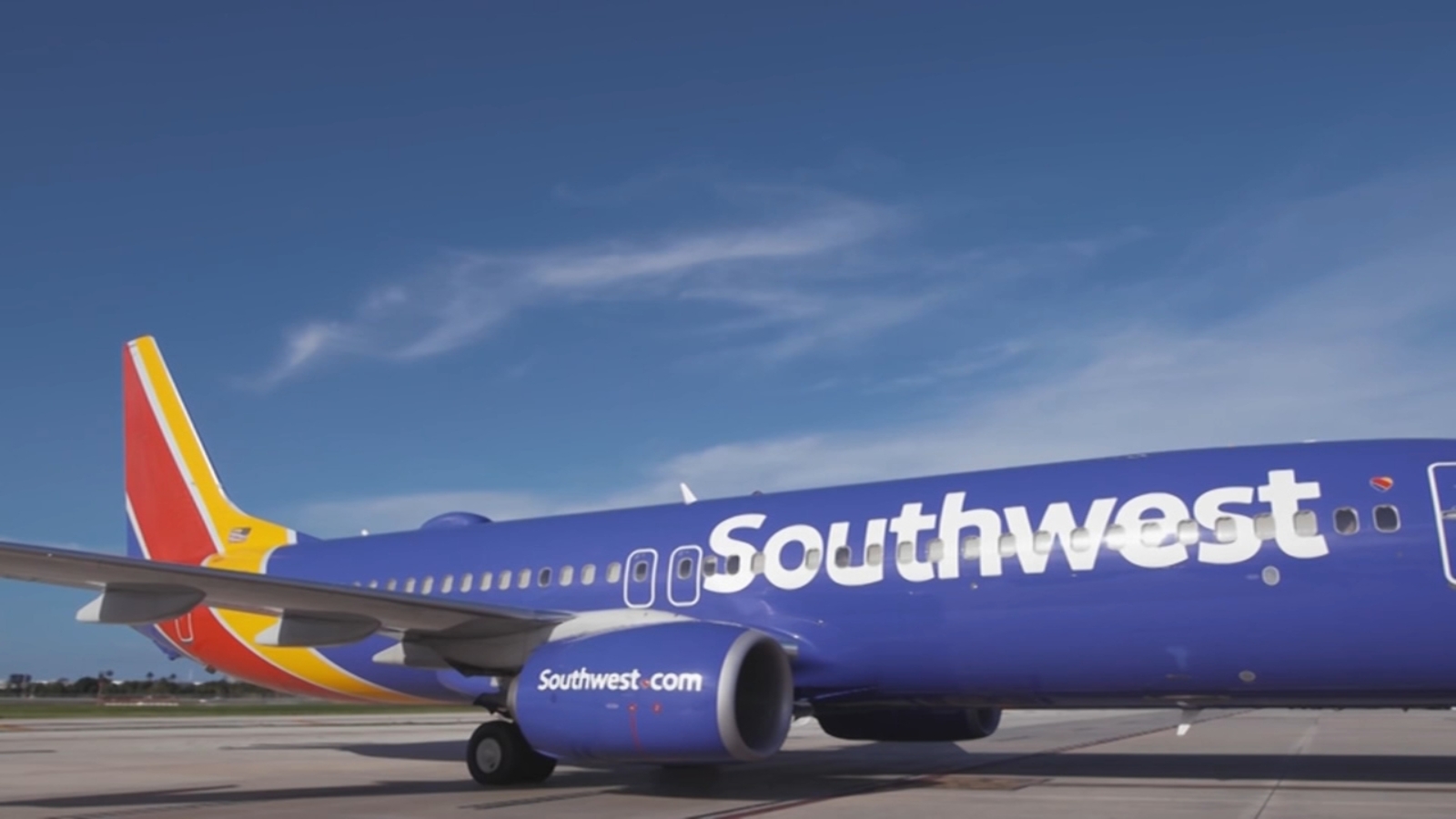
The announcement of Southwest Airlines layoffs marks a historic turning point for one of America’s most iconic carriers. In a move that would have seemed unthinkable just a few years ago, Southwest Airlines revealed it will cut 1,750 corporate positions,approximately 15% of its corporate workforce,beginning in April. This decision represents the airline’s first-ever mass layoff, shattering a long-standing reputation that the company had fiercely protected for decades.
A Monumental Shift for Southwest Airlines
For an airline that once proudly proclaimed it had never conducted a single layoff, the current reality is starkly different. The Dallas-based carrier announced these sweeping reductions on Monday, signaling what CEO Bob Jordan described as “a very difficult and monumental shift” for the organization. Jordan communicated the decision in an internal memo to employees, emphasizing that the changes are part of a broader transformation effort.
The layoffs are not limited to entry-level or mid-tier positions. Eleven senior leadership roles, including vice presidents and above, will be eliminated entirely. This top-down approach to the corporate workforce reduction underscores how seriously the airline’s leadership is taking the need to restructure operations from the highest levels.
The Financial Picture Behind the Cuts
Behind these Southwest Airlines layoffs lies a clear financial strategy. The company projects that the reductions will generate approximately $210 million in savings during 2025, with that figure climbing to $300 million in 2026. These savings are substantial, particularly for a carrier navigating increased pressure from activist investors and shifting market dynamics.
However, the restructuring comes with upfront costs. Southwest expects to incur a one-time charge ranging from $60 million to $80 million to cover expenses such as severance packages and other transition-related costs. While significant, this one-time investment is viewed as necessary to position the airline for long-term financial health.
Activist Investors Drive Major Changes
The current wave of Southwest Airlines layoffs cannot be understood without examining the role of Elliott Investment Management. In June 2024, the activist hedge fund took a substantial $1.9 billion stake in the carrier, subsequently calling for sweeping changes to the company’s leadership and operational strategy. This investment marked the beginning of a tumultuous period that has fundamentally reshaped how Southwest does business.
Last year, activist investors highlighted that the airline’s share price had plunged more than 50% from its early 2021 levels. While Southwest exceeded analyst expectations in its January earnings report, this positive result was largely attributed to rising airfares rather than improved operational performance,a concerning indicator for long-term sustainability.
New Leadership at the Top
Southwest started the year with significant changes in its C-suite. Tom Doxey joined as the new chief financial officer, bringing valuable experience from his most recent role as president of Breeze Airways. This leadership transition coincides with the retirements of two long-serving executives: former CFO Tammy Romo and Chief Administration Officer Linda Rutherford, both of whom will depart in April 2025.
The leadership reshuffling extends beyond financial operations. The company has implemented broader strategic changes driven by Elliott Investment’s influence, including a complete reversal of one of Southwest’s most distinctive policies.
The End of an Iconic Policy
One of the most visible changes resulting from activist investor pressure involves Southwest’s beloved open seating policy. For decades, the airline distinguished itself from competitors by allowing passengers to choose their own seats upon boarding,a quirky but beloved feature that became part of the Southwest brand identity. Under pressure from Elliott Investment, the company has reversed course and will begin assigning seats.
This shift is not merely cosmetic. Assigned seating allows the airline to charge premium prices for preferred seats, opening new revenue streams that were previously unavailable. While this represents a significant departure from tradition, it reflects the broader financial pressures driving the current corporate restructuring at Southwest.
Operational Meltdown Exposes Vulnerabilities
The corporate workforce reduction comes against the backdrop of a devastating operational failure that further eroded investor confidence. In late December, during one of the busiest travel weeks of the year, Southwest experienced a catastrophic meltdown that resulted in the cancellation of 16,700 flights. The timing could hardly have been worse, disrupting countless holiday travel plans and damaging the airline’s reputation.
Employees attributed the crisis to antiquated staff scheduling software that made it nearly impossible for operations to recover from seasonal bad weather. This technological inadequacy highlighted a critical vulnerability in Southwest’s infrastructure,a vulnerability that the current restructuring aims to remedy.
A Sharp Contrast to Past Promises
Perhaps nothing illustrates the dramatic transformation underway at Southwest more starkly than the contrast with the airline’s recent historical stance. As recently as 2021, the company took pride in having never conducted layoffs, treating this record as a core part of its corporate identity and employee relations philosophy.
Former CEO Gary Kelly captured this sentiment in a 2021 interview with Yahoo Finance, stating: “It all leads up to a strong desire to take great care of our people and then, in turn, our customers. That’s why we’ve never had a layoff.” That statement now stands as a poignant reminder of how dramatically circumstances have changed.
The departure from this founding principle reflects the immense pressures facing the modern airline industry, where activist investors demand results, operational challenges mount, and competitive dynamics continually evolve. What was once a point of corporate pride has become an unaffordable luxury in the current economic environment.
What These Layoffs Mean for Southwest’s Future
The Southwest Airlines layoffs announced this week represent more than just a cost-cutting measure,they signal a fundamental reimagining of how the airline operates. The combination of workforce reductions, leadership changes, policy reversals, and operational improvements suggests Southwest is undergoing the most significant transformation in its history.
For employees, the news brings uncertainty, particularly for the 1,750 corporate workers whose positions will be eliminated over the coming months. The decision to include senior leadership among the cuts demonstrates that no level of the organization is insulated from these changes. While the company will incur significant short-term costs through severance and restructuring expenses, executives clearly believe these investments are essential for long-term viability.
For travelers, the implications are mixed. The move to assigned seating will change a beloved aspect of the Southwest experience, but it could also generate revenue that improves the airline’s financial stability. Operational improvements following the December meltdown should hopefully prevent similar crises in the future, potentially leading to more reliable service.
For investors, the layoffs signal that management is taking aggressive action to address profitability concerns and respond to activist pressure. Whether these moves will be sufficient to reverse the airline’s fortunes remains to be seen, but the scope of the changes suggests a company willing to abandon long-held traditions in pursuit of financial recovery.
Conclusion
The Southwest Airlines layoffs announced this week mark the end of an era and the beginning of a new chapter for one of America’s most recognizable airlines. With 1,750 corporate positions being eliminated, senior leadership being overhauled, and long-standing policies being reversed, Southwest is embracing change on an unprecedented scale. The $210 million in expected savings this year, combined with $300 million projected for 2026, demonstrates the financial magnitude of these decisions. While the one-time charge of $60-80 million is substantial, the company’s leadership clearly views this restructuring as essential to navigating the challenges ahead. As Southwest Airlines moves forward with these historic layoffs, the entire industry will be watching to see whether this bold transformation can restore the carrier to its former financial strength while preserving what made it special in the first place.