
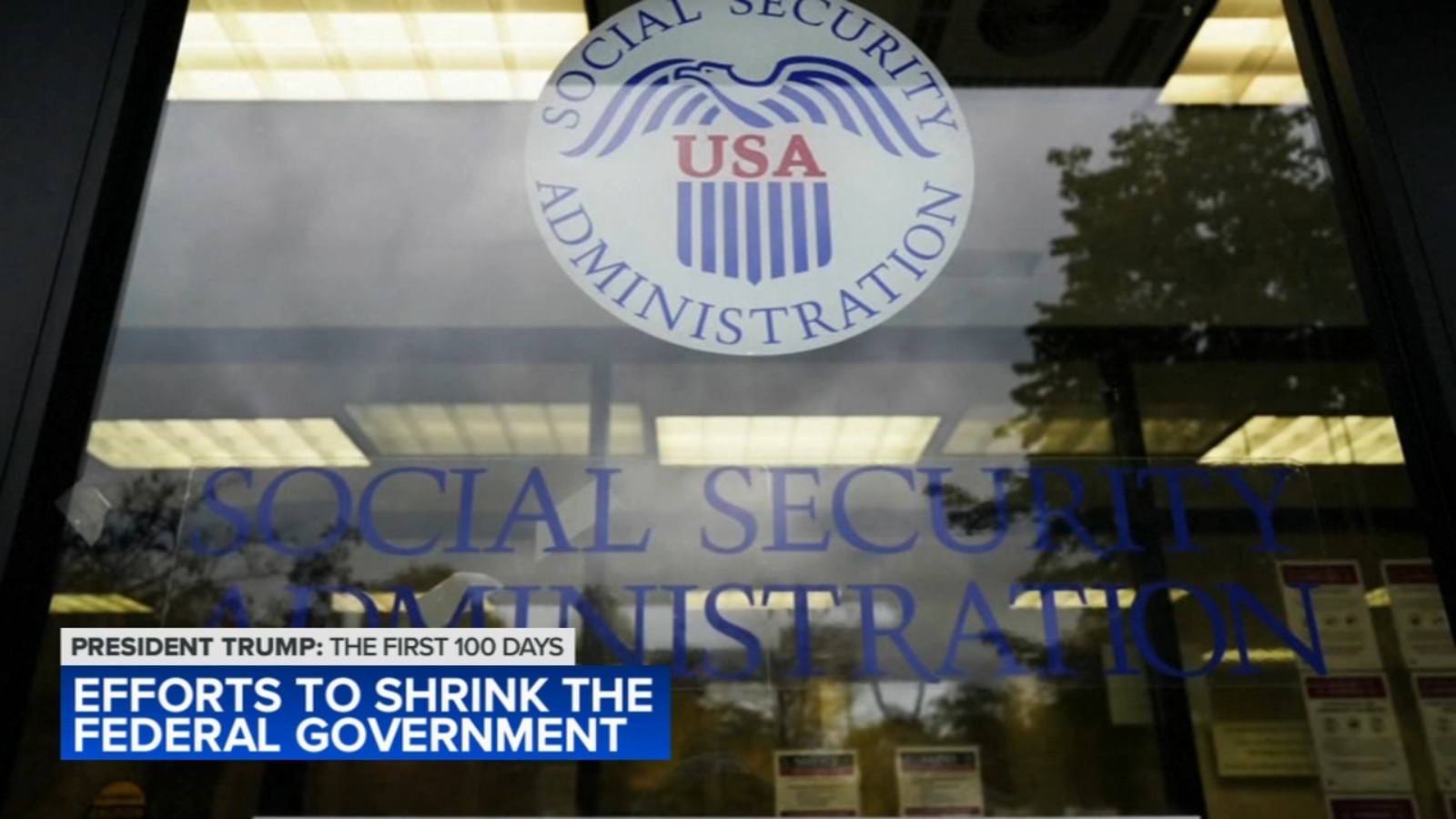
A dramatic shakeup at the Social Security Administration leadership has unfolded in Washington, sending shockwaves through the agency responsible for managing benefits for more than 70 million Americans. Michelle King, a career official with more than three decades of service, departed from her role as acting commissioner after a contentious dispute over data access. Her exit marks a significant turning point in the ongoing tension between established federal agencies and the Department of Government Efficiency (DOGE), the Trump administration’s controversial cost-cutting initiative.
The dispute centers on demands by DOGE employees for access to an internal database containing extraordinarily sensitive information about virtually every American who has ever paid into the Social Security system. According to multiple sources, King resisted granting this access, ultimately leading to her removal over the weekend. She was replaced by Leland Dudek, a career employee with a background in anti-fraud efforts, while the Senate prepares to consider the confirmation of Frank Bisignano as the permanent commissioner.
What Triggered the Leadership Departure
The friction between King’s office and DOGE personnel had been building for days before her resignation became public. Sources told ABC News that DOGE representatives were pushing aggressively for unfettered access to a core SSA data system,essentially a comprehensive dossier on American workers and beneficiaries. The system holds earnings histories, benefit payment details, family relationships, divorce records, and, most critically, the medical documentation of anyone who has ever applied for disability benefits.
King’s resistance to providing this access appears to have been the breaking point. After more than 30 years working within the agency, her departure represents the most significant institutional exit from the Social Security Administration since the current administration took office. The Washington Post was first to report the story, which has since drawn widespread attention to broader concerns about data privacy, government oversight, and the limits of executive authority over personal information.
Why the Data Matters: A Closer Look at SSA Records
Few federal agencies hold a more complete picture of American life than the Social Security Administration. Nancy Altman, president of Social Security Works, a nonpartisan advocacy organization, outlined the scope of the information stored within SSA’s systems.
- Earnings records spanning an individual’s entire working life
- Benefit payment history for retirees, survivors, and disabled beneficiaries
- Personal relationship data, including marriage and divorce dates
- Spousal information and dependency records
- Medical documentation for anyone who has applied for disability benefits
“It’s your entire earnings record. If you’re a beneficiary, it’s your benefits, it’s the name of your spouse and when you got married and if you got divorced, and all kinds of information,” Altman explained. “And most sensitive, if you’ve applied for disability benefits, all of your medical records.” This breadth of personal data explains precisely why granting broad access to outside actors,without clear protocols or oversight,raises alarm bells among privacy advocates, civil liberties groups, and career government officials alike.
The New Acting Commissioner: Who Is Leland Dudek?
Following King’s removal, Leland Dudek stepped into the acting commissioner role. In an email distributed to all SSA staff on his first evening in the position, Dudek struck a tone of openness, seeking to reassure employees and the public about how he intends to govern the agency.
“I will lead this agency in an open and transparent manner. My first call as Acting Commissioner was to our Inspector General’s office to provide them an opportunity to oversee and review any and all agency activities, including my actions past, present, and future. Transparency is at the heart of good government.”
Dudek described himself as “humbled and honored” to lead the agency, signaling that he views the position as temporary. His appointment lasts until the Senate confirms Bisignano, a financial services executive and CEO of Fiserv who has been tapped by President Trump to take the reins on a permanent basis. The deliberate emphasis on inviting Inspector General scrutiny represents an effort to establish credibility,and arguably to insulate the agency from accusations of impropriety during a turbulent transition.
The White House Response
The administration moved quickly to frame Dudek’s appointment in strategic terms. White House Deputy Press Secretary Harrison Fields emphasized that Dudek’s anti-fraud expertise was precisely what SSA needed during this interim period.
“In the meantime, the agency will be led by a career Social Security anti-fraud expert as the acting commissioner,” Fields said in a statement. “President Trump is committed to appointing the best and most qualified individuals who are dedicated to working on behalf of the American people, not to appease the bureaucracy that has failed them for far too long.” The implication that King represented the kind of entrenched “bureaucracy” the administration seeks to overhaul has not gone unnoticed by current and former SSA employees.
What DOGE Aims to Find Inside Social Security
During an interview with Fox News, White House Press Secretary Karoline Leavitt offered the most detailed public explanation to date of DOGE’s objectives at the SSA. She outlined three specific priorities that the administration’s efficiency team hopes to accomplish through its review of agency operations.
- Identify and eliminate duplicate payments being sent to the same individual or address
- Stop payments to deceased individuals whose benefits should no longer be active
- Protect the integrity of the system for working Americans who depend on their earned benefits
“So rest assured to all of the people watching your show tonight, if you paid into the system honestly, you will continue to receive your Social Security checks,” Leavitt added,an assurance clearly aimed at calming public anxiety about potential disruptions to benefits.
One important clarification emerged in a related court filing: the White House explicitly stated that Elon Musk does not personally run DOGE. That distinction, while technically accurate, has done little to quiet concerns about the scale of access being sought across multiple federal agencies, including the Treasury Department, the Office of Personnel Management, and now the SSA.
Broader Implications for Data Privacy and Federal Operations
This episode raises profound questions about the balance between government efficiency initiatives and the protection of sensitive personal data. The SSA data privacy concerns at the center of this dispute are not theoretical,they touch every household in America that has paid payroll taxes. Disability applicants, in particular, face potential exposure of deeply personal medical histories that they submitted in confidence under strict federal privacy protections.
Former SSA officials and privacy advocates are also watching closely to see whether Dudek’s invitation to the Inspector General results in meaningful oversight or merely serves as political cover. The phrase “any and all agency activities” is broad, and whether investigators have the capacity to monitor DOGE’s interactions with sensitive systems remains an open question.
For current beneficiaries, the practical implications are still unclear. It remains uncertain whether DOGE employees ultimately gained access to the disputed system following King’s departure. Critics fear that without continued internal resistance, safeguards may erode. Supporters argue that the administration’s anti-fraud focus could save billions and restore public trust in a system long criticized for improper payments.
Looking Ahead: The Confirmation Battle
As the Social Security Administration transitions to yet another period of interim leadership, all eyes turn toward the Senate and Frank Bisignano’s confirmation hearings. His approach to data access, agency culture, and DOGE’s role within SSA will shape how this period is remembered. Senate Democrats are expected to press any nominee on commitments to protect beneficiary data, maintain benefit delivery timelines, and preserve the civil service protections that career officials like King spent decades upholding.
Conclusion
The resignation of Michelle King from the Social Security Administration leadership post is more than an administrative reshuffling,it represents a flashpoint in a much larger debate about how far government efficiency efforts can reach into the personal lives of American citizens. With Leland Dudek now serving as acting commissioner and Frank Bisignano awaiting Senate confirmation, the SSA finds itself at the intersection of competing priorities: rooting out genuine fraud, preserving program integrity, and safeguarding the most sensitive data the federal government collects. For 70 million beneficiaries and countless future claimants, the outcomes of this internal power struggle will resonate far beyond Washington’s bureaucratic corridors. As DOGE Social Security access disputes continue to unfold, transparency, congressional oversight, and vigilant journalism will be essential to ensuring that the promise of efficiency never comes at the cost of privacy, dignity, or the reliable delivery of earned benefits.