
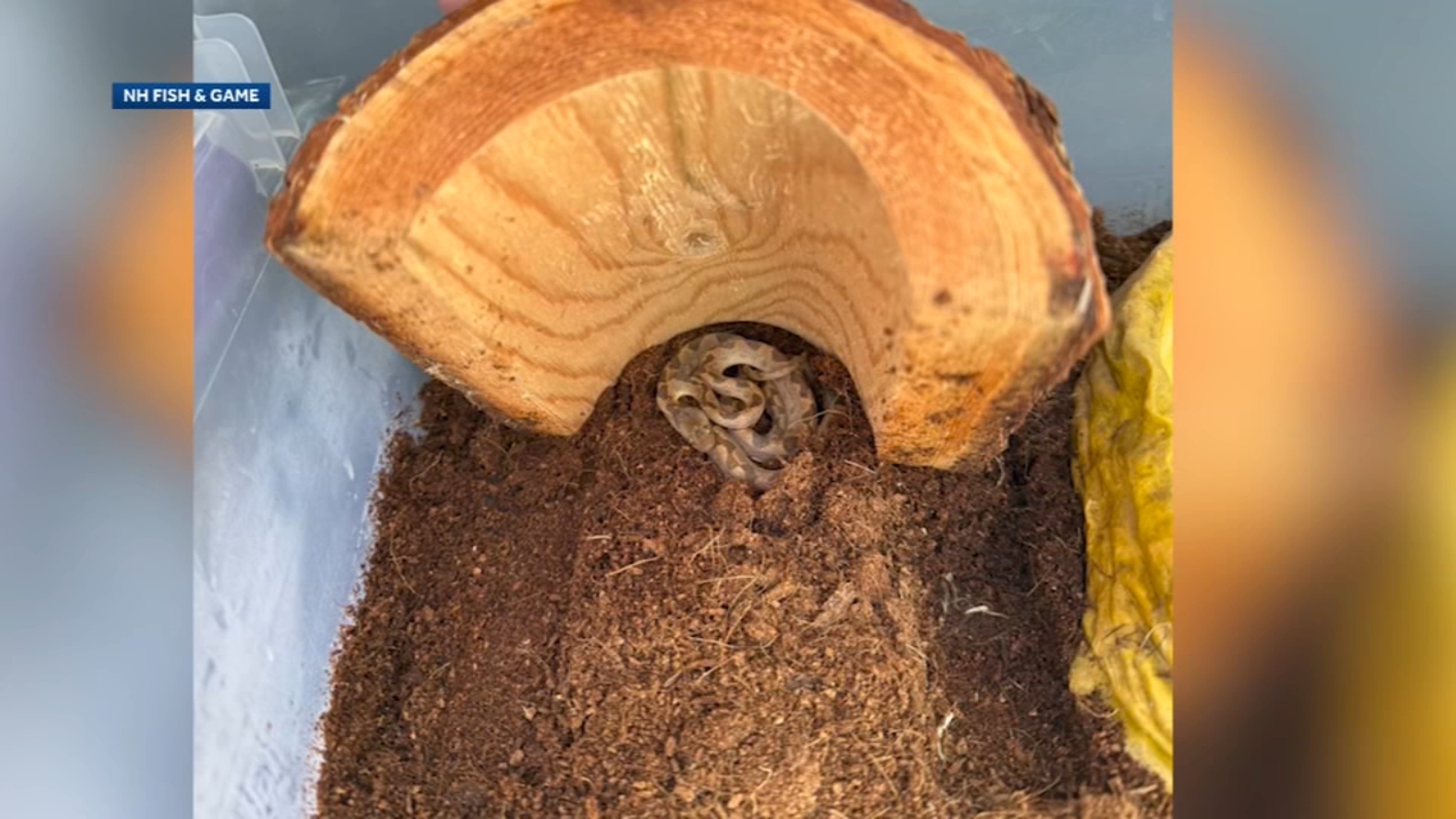
Shoppers at a Market Basket location in New Hampshire recently received the surprise of a lifetime when an employee discovered a venomous snake in bananas nestled inside a shipment of produce. The roughly two-foot-long serpent, identified as an ornate cat-eyed snake, had hitched a ride from tropical origins directly into the produce section of the grocery store. The unusual discovery quickly captured public attention and sparked renewed conversations about the exotic species that occasionally make their way into the American food supply chain.
This incident, while alarming on the surface, is far from unprecedented. Wildlife officials and conservation officers report that stowaways in produce shipments occur several times each year, and the response from New Hampshire Fish and Game demonstrates just how prepared these agencies have become for such surprises.
The Discovery at Market Basket
The discovery took place during a routine inspection of produce at a Market Basket grocery store in New Hampshire. A store employee was going through a batch of bananas when they spotted the coiled, two-foot-long reptile hiding among the fruit. Recognizing the potential danger and the unique nature of the find, employees promptly contacted New Hampshire Fish and Game for assistance.
Conservation Officer Griffin Mick-Kewon responded to the call, noting that such incidents are not entirely uncommon for his department. “We get something like this maybe three or four times a year,” he explained, referencing how frequently wildlife officers in the region are called upon to handle similar situations involving stowaway animals in produce.
The snake was safely captured and removed from the store, preventing any potential harm to customers or staff. The quick thinking of the store employee likely prevented what could have been a far more dramatic situation, particularly given that this was not a harmless garden snake but a species with venomous capabilities.
Meet the Cat-Eyed Snake: An Unexpected Stowaway
The snake in question was identified as an ornate cat-eyed snake, a fascinating exotic snake species native to Central and South America. Known for their distinctive vertical pupils that resemble those of a feline, these snakes are primarily nocturnal hunters that prefer to ambush prey under the cover of darkness.
Physical Features and Behavior
Cat-eyed snakes typically display a slender build with smooth scales and a coloration that ranges from light brown to olive green, often featuring darker spots or patterns along their body length. The vertical pupils, which give the species its common name, are a distinctive trait shared with other nocturnal hunters. Their eyes reflect light in a way that has occasionally led to folklore and superstition about their appearance.
These snakes are skilled climbers, which likely contributed to their ability to hide effectively within a shipment of bananas. They prefer warm, humid environments, making the tropical conditions of banana plantations an ideal natural habitat. Their presence in fruit shipments reflects their natural affinity for tropical climates and agricultural settings.
Venom Potency and Human Health Implications
While the cat-eyed snake is indeed venomous, the news for humans is relatively reassuring. According to Mack Ralbovsky, Vice President of Rainforest Reptiles Shows, the venom produced by this species is not particularly potent when it comes to affecting humans. Cat-eyed snakes primarily use their venom to subdue small prey, such as lizards and rodents, and their venom delivery system is not well-suited for causing serious harm to larger mammals.
A bite from a cat-eyed snake might cause localized symptoms such as swelling, mild pain, or irritation, but it is unlikely to produce the life-threatening reactions associated with more dangerous venomous species. Still, any snake bite should be taken seriously and evaluated by medical professionals, especially when dealing with a species that is not native to the area and whose venom composition may not be well-documented.
How Snakes End Up in Produce Shipments
The journey of a venomous snake in bananas from a tropical plantation to a New England grocery store might seem improbable, but it reflects the global nature of the modern food supply chain. Bananas are typically grown in countries throughout Central and South America, as well as parts of Africa and Southeast Asia, where the warm climate provides ideal growing conditions.
During the harvesting and packaging process, small animals can sometimes find their way into containers meant for produce. Snakes, lizards, spiders, and insects are all known to occasionally stow away in shipments of tropical fruits. The dense clusters of bananas provide excellent cover for small creatures seeking shelter or hunting opportunities, and once packed into shipping containers, these animals embark on an unintended voyage across oceans and continents.
The Role of Invasive Species Introduction
According to wildlife experts like Ralbovsky, “A lot of the invasive species we see come from situations like this where an animal might be shipped in produce.” This observation highlights a significant ecological concern that extends beyond individual incidents. When non-native animals arrive in new environments, even accidentally, they can potentially disrupt local ecosystems if they manage to escape or are released into the wild.
Invasive species pose one of the most serious threats to biodiversity worldwide, often outcompeting native wildlife for resources, introducing new diseases, and altering habitats. While most stowaway animals perish during the journey or are captured shortly after discovery, the occasional escape or release can establish populations that have lasting environmental consequences.
Response from Local Wildlife Authorities
The swift response from New Hampshire Fish and Game demonstrates the value of having trained personnel prepared to handle unusual wildlife encounters. Conservation officers receive training that prepares them for a wide range of scenarios, from typical local wildlife management to exotic species incidents like this one.
The regular occurrence of such incidents has likely prompted wildlife agencies to develop standard protocols for dealing with non-native species discovered in commercial settings. Quick identification, safe capture, and proper containment are essential to preventing both public safety concerns and potential ecological damage. In many cases, the animals are transferred to educational organizations, zoos, or wildlife sanctuaries where they can be properly cared for and used to educate the public about exotic species.
Similar Incidents Across the Country
The Market Basket discovery is just the latest in a series of similar incidents that have made headlines over the years. From scorpions in banana shipments to tarantulas hiding among grapes, exotic creatures occasionally make appearances in grocery stores across the United States. These incidents tend to spike during certain seasons when produce imports increase, and they often go viral on social media as customers and employees share their surprising discoveries.
Florida, with its warm climate and proximity to tropical regions, sees a particularly high number of such incidents. However, the New England region, including New Hampshire, is not immune to these unexpected visitors, especially as global trade continues to expand and diversify the sources of imported produce.
What to Do If You Find a Snake in Your Groceries
For shoppers who encounter an unexpected wildlife discovery in their produce, the experts recommend a calm and cautious approach:
- Do not attempt to handle the animal. Even non-venomous species can bite when threatened, and venomous species pose obvious additional risks.
- Alert store employees immediately. Grocery store staff are trained to contact appropriate authorities and can help ensure the area is safely evacuated if necessary.
- Keep your distance and warn others. Preventing additional people from approaching the animal protects both the public and the animal from harm.
- Avoid posting exact locations on social media. While sharing the experience is understandable, revealing specific details can create chaos and safety concerns.
- Let trained professionals handle removal. Wildlife officers and animal control specialists have the equipment and training needed to safely capture and relocate exotic species.
The Broader Issue of Invasive Species
Beyond the immediate excitement and novelty of finding a venomous snake in bananas, incidents like the one at Market Basket serve as reminders of the ongoing challenges posed by global trade and the movement of species across natural boundaries. Wildlife in food supply chain scenarios highlight the importance of inspection protocols, public awareness, and rapid response capabilities.
Agricultural producers, shipping companies, and regulatory agencies all play roles in monitoring for stowaway species, but the scale of international trade means that occasional discoveries are virtually inevitable. Consumers can contribute by reporting unusual findings promptly, allowing authorities to respond quickly and prevent potential ecological or public safety issues.
Conclusion
The discovery of a venomous snake in bananas at a New Hampshire Market Basket may have given shoppers quite a scare, but the incident ultimately demonstrates the effectiveness of wildlife response protocols and the importance of remaining vigilant about the unexpected travelers that occasionally arrive in our grocery stores. While the cat-eyed snake found hiding among the bananas is venomous, its venom poses minimal risk to humans, and the swift response from store employees and New Hampshire Fish and Game ensured a safe resolution for everyone involved.
As global trade continues to connect distant corners of the world, these surprising encounters with exotic species are likely to remain a recurring feature of the modern grocery shopping experience. Whether they end up in educational facilities, wildlife sanctuaries, or research institutions, these stowaway reptiles and other creatures serve as living reminders of the interconnected nature of our global food system and the ongoing need for awareness, preparation, and respect for the wild world that sometimes arrives uninvited on our kitchen tables.