
Seven men from Chile now face federal conspiracy charges in Tampa for their alleged role in a sweeping professional athletes burglary ring that hit the homes of some of the most recognizable names in the NFL and NBA. Federal prosecutors announced the charges on Tuesday, painting a picture of a coordinated, well-organized South American theft group that carefully timed its crimes to coincide with away games , and walked away with more than $2 million in stolen valuables in the process.
The case has sent shockwaves through professional sports, exposing just how vulnerable even the wealthiest athletes can be when high-profile careers intersect with publicly available schedules. According to court documents reviewed by federal authorities, the defendants identified their targets using game schedules and travel itineraries, then struck when homes were guaranteed to be empty.
Who Was Charged in the Burglary Ring?
All seven defendants are Chilean nationals identified as Pablo Zuniga Cartes, 24; Ignacio Zuniga Cartes, 20; Bastian Jimenez Freraut, 27; Jordan Quiroga Sanchez, 22; Bastian Orellano Morales, 23; Alexander Huiaguil Chavez, 24; and Sergio Ortega Cabello, 38. Each has been charged with conspiracy to commit interstate transportation of stolen property. If convicted, they each face a maximum sentence of 10 years in federal prison.
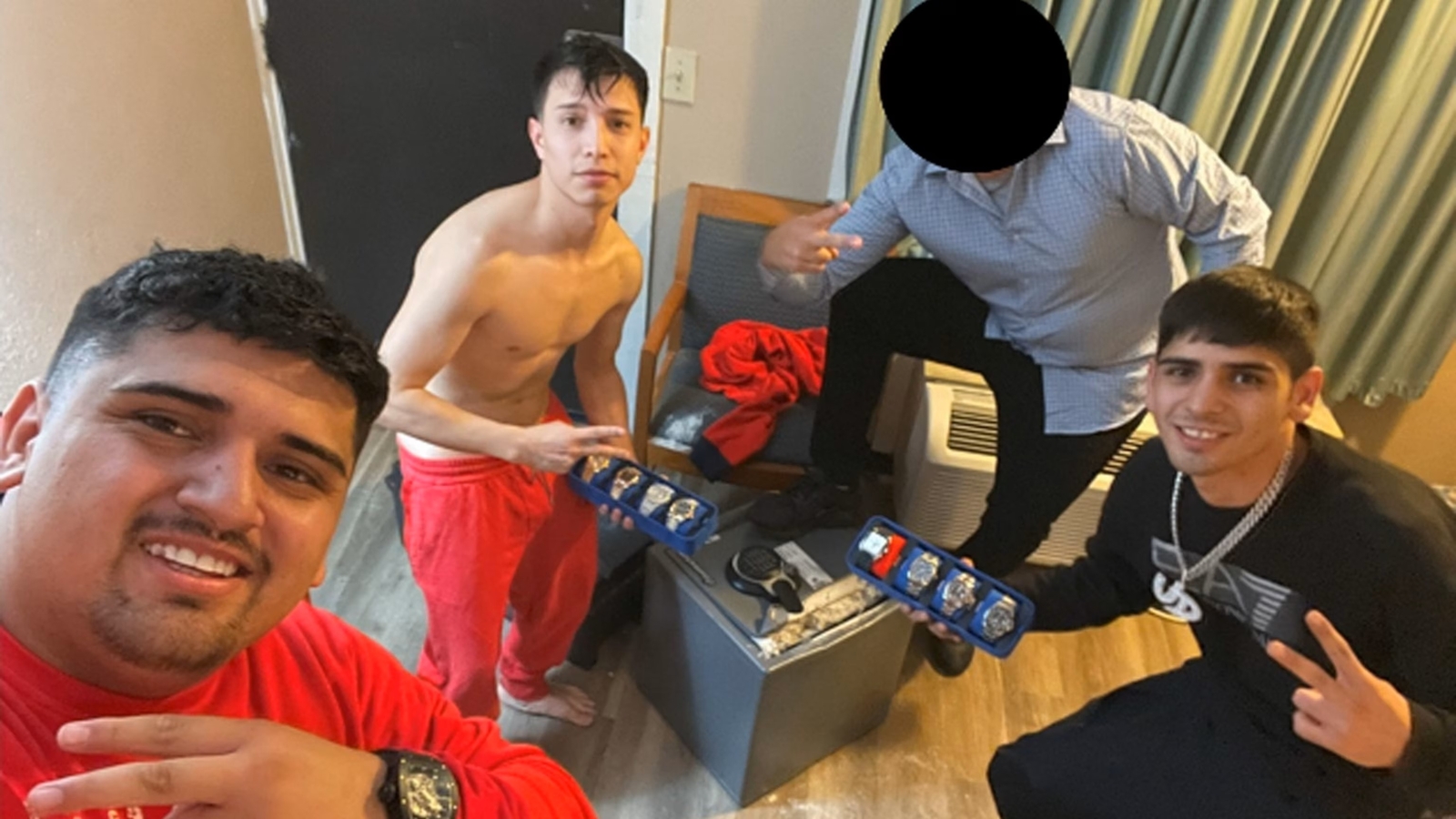
The complaint filed in Tampa’s federal court includes a striking piece of evidence: a photograph allegedly showing Pablo Zuniga Cartes, Ignacio Zuniga Cartes, and Freraut posing with a fourth unidentified individual next to a safe and jewelry reportedly taken from Milwaukee Bucks forward Bobby Portis. Notably, Pablo Zuniga Cartes is wearing a Kansas City Chiefs shirt in the image , a detail an FBI special agent characterized as a likely reference to the October 2024 burglaries of Patrick Mahomes and Travis Kelce.
The Modus Operandi Behind the Athlete Home Invasions
Federal investigators say the group followed a “clear and consistent” pattern that began long before a window was ever pried open. According to the complaint, the burglary ring would:
- Track athlete schedules using publicly available information, including game times and travel rosters.
- Confirm the home was empty based on the team’s travel schedule.
- Enter through broken windows or pried-open sliding doors, often using a crowbar.
- Target only the most valuable items , luxury watches, high-end jewelry, designer bags, and cash.
- Exit quickly with merchandise that could be fenced or transported out of the country.
To avoid detection, the group allegedly relied on “throw phones” , disposable mobile devices activated for one-month periods and then discarded. This practice, prosecutors said, was designed specifically to thwart law enforcement surveillance and complicate tracking efforts. Members of the ring reportedly rented vehicles in Florida that were later recovered near the scenes of burglaries committed nationwide.
The High-Profile Targets of the Theft Ring
The professional athletes burglary ring allegedly left a trail of broken glass and emptied safes across multiple states. Here’s a breakdown of the confirmed or linked incidents:
Kansas City Chiefs , Patrick Mahomes and Travis Kelce
The October 2024 burglaries at the homes of star quarterback Patrick Mahomes and tight end Travis Kelce served as a launching point for the broader federal investigation. Both break-ins occurred while the Chiefs were away playing games. It remains unclear what specific items were taken, but the incident directly influenced the FBI’s decision to issue a formal warning to professional sports leagues about organized theft rings targeting high-profile players.
Milwaukee Bucks , Bobby Portis
The November 2024 burglary at Bobby Portis’s home netted the thieves a safe containing multiple watches, chains, jewelry, and cash, along with a designer suitcase and luxury handbags. According to the complaint, the total value of property stolen reached nearly $1.5 million , the single largest haul attributed to the ring. The photograph referenced in the federal filing allegedly shows suspects posing with the loot shortly after the crime.
Tampa Bay Buccaneers Player
During a late October 2024 home game against the Baltimore Ravens, a Tampa Bay Buccaneers player was burglarized in the Tampa area. Thieves made off with approximately $167,000 in property. Because the crime occurred within the Middle District of Florida, this incident helped establish the venue for the federal complaint.
Memphis Grizzlies Player
In December 2024, while the Grizzlies hosted the Golden State Warriors in Memphis, a Grizzlies player’s Tennessee residence was targeted. Jewelry, watches, and luxury bags valued at roughly $1 million were reported stolen.
Cincinnati Bengals , Joe Burrow
Three of the seven defendants , Pablo Zuniga Cartes, Ignacio Zuniga Cartes, and Freraut , also face state and federal charges in Ohio for the December 2024 burglary at the home of Bengals quarterback Joe Burrow. That break-in drew national attention and is widely considered the catalyst that accelerated the federal investigation.
The FBI Warning and the Law Enforcement Response
Long before Tuesday’s indictment, the FBI had quietly raised alarms about a pattern of organized burglaries hitting the homes of professional athletes. A formal warning was issued to major sports leagues late last year, urging teams and players to take additional security precautions and treat their public schedules as a potential vulnerability.
The federal case represents the convergence of multiple state investigations, with charges now pending in Florida, Ohio, and potentially other jurisdictions. Authorities believe the ring’s use of Florida rental vehicles links the Tampa-area crimes to incidents stretching across the country. Online court records do not yet list attorneys for any of the defendants, suggesting that the legal proceedings are still in their earliest stages.
Why Athlete Homes Are an Attractive Target
The professional athletes burglary ring didn’t reinvent the wheel when it came to home invasions , it simply exploited a uniquely modern vulnerability. Unlike traditional burglars who might case a neighborhood for weeks, this group had a built-in alarm system: the NFL and NBA schedules themselves. Game days and road trips transformed multimillion-dollar estates into guaranteed-empty targets.
The appeal goes beyond simple opportunity. Athletes often own:
- High-value, easily transportable items like Rolex and Patek Philippe watches, custom jewelry, and luxury accessories.
- Items with strong resale markets in international gray markets, particularly in South America.
- Homes in wealthy, often secluded neighborhoods where security may rely heavily on privacy rather than visible deterrents.
Combined, these factors created what one federal agent described as an “ideal target profile” , and the group allegedly exploited it repeatedly.
Broader Implications for Sports Security
The case has already prompted conversations across professional sports about how much player information should remain public. Team schedules, travel rosters, and even social media posts can all become intelligence for groups like the one now facing federal charges. Some teams have reportedly begun reviewing security protocols for players’ personal residences, including recommendations for in-home safes, upgraded alarm systems, and private security details during road trips.
For athletes, the case is a stark reminder that fame and wealth can be liabilities as much as assets. For law enforcement, it underscores how international organized theft rings are increasingly leveraging the same digital tools and open-source intelligence that have transformed other forms of crime.
Looking Ahead
With all seven defendants now facing federal charges in Tampa and additional state charges pending in Ohio, the professional athletes burglary ring investigation is far from over. Prosecutors are expected to continue tracing the proceeds of the stolen property, identifying potential fencing operations, and determining whether additional co-conspirators remain at large. The unidentified fourth individual in the Portis photo remains a key target for investigators.
As the case moves through the courts, it will likely serve as a landmark example of how federal authorities are responding to organized international theft rings that specifically target celebrity and athlete homes. For the players whose private spaces were violated , and for the leagues now scrambling to protect their stars , the message is clear: the playbook for protecting a high-profile life now extends far beyond the stadium.