
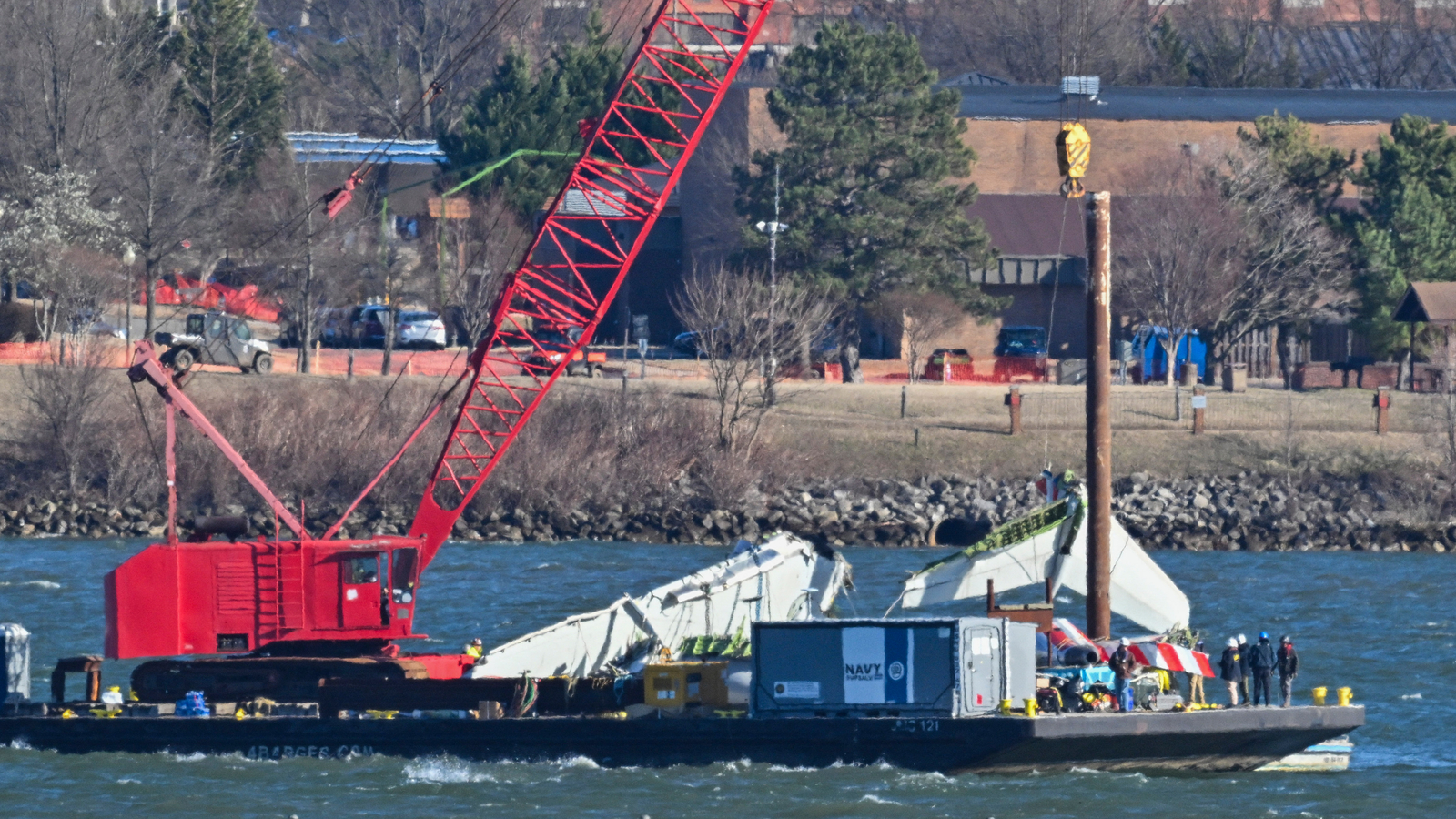
The family of a passenger killed in the devastating midair collision near Washington, D.C., has filed a DC plane crash lawsuit seeking $250 million each against the Federal Aviation Administration (FAA) and the U.S. Army. The legal action marks the first significant step in what promises to be a complex and high-stakes battle over accountability for the deadliest aviation disaster in the United States in more than two decades.
This tragic incident, which occurred on January 29 near Ronald Reagan Washington National Airport, claimed all 64 lives aboard an American Airlines regional jet and three U.S. Army servicemembers who were aboard a Black Hawk helicopter. As investigations continue, grieving families are turning to the legal system to demand answers and pursue justice for their profound losses.
The Crash That Sparked the Legal Action
The collision between an American Eagle Flight 5342, a PSA Airlines regional jet, and a U.S. Army Black Hawk helicopter has been described by aviation experts and legal representatives as entirely preventable. The aircraft were operating in the congested airspace surrounding Reagan National Airport, a region that has long raised safety concerns among industry professionals.
The crash resulted in the deaths of all passengers and crew on the passenger aircraft, along with three soldiers conducting what the military described as a routine training mission. The scale of the tragedy has placed it among the worst aviation disasters in modern American history, prompting swift congressional attention, regulatory scrutiny, and now, substantial legal action.
Meet Casey Crafton: The Father at the Center of the First Claim
The $250 million claims were filed on behalf of the estate of Casey Crafton, a devoted husband and father of three young sons from Salem, Connecticut. Crafton was returning home from a business trip when his life, along with the lives of everyone else aboard both aircraft, was cut tragically short.
Beyond his role as a family man, Crafton was a deeply embedded figure in the aviation world. He served as a technical support manager for an aviation consulting firm, and his career was built on a foundation of formal aviation management studies at Bob Jones University. His professional expertise makes the circumstances of his death particularly poignant, as he dedicated his working life to the very industry that ultimately failed him.
Those who knew Crafton describe him as a passionate coach for his sons’ youth soccer and little league baseball teams, a loving partner to his wife Rachel, and a generous friend and colleague. His family and legal representatives emphasize that his loss cannot be measured in monetary terms, but they are determined to ensure that his death triggers meaningful changes in how airspace safety is managed.
Breaking Down the $250 Million Demand
Many observers have raised eyebrows at the eye-catching figure attached to each claim. According to Robert Clifford, the lead attorney from Clifford Law Offices representing the Crafton family, the $250 million represents the maximum allowable ceiling under the legal framework being used.
“You can always go down, you cannot go up,” Clifford explained in a recent statement. He noted that wrongful death claims across the country have produced verdicts and settlements in the hundreds of millions of dollars, particularly when the victims were young parents with dependent children. With three young sons now growing up without their father and a wife facing a lifetime of grief, the firm believes the requested figure is justified as the upper boundary of potential compensation.
While some may view the number as aspirational, it serves a critical strategic purpose: it establishes the maximum exposure the federal agencies face, giving the Crafton family room to negotiate or seek a favorable judgment as more facts emerge.
Understanding the Federal Tort Claims Act Process
The legal mechanism behind these filings is the Federal Tort Claims Act (FTCA), a federal law that allows private parties to sue the United States government for injuries or wrongful death caused by the negligent or wrongful acts of government employees. Before a lawsuit can proceed against a federal agency, claimants must first file an administrative claim and wait for a response.
Under FTCA requirements, the FAA and the Army now each have a six-month window to evaluate and respond to the claims against them. If either agency denies responsibility or fails to respond within that timeframe, Clifford Law Offices will have the legal right to escalate the matter by filing formal DC plane crash lawsuit complaints in federal court.
This staged approach is standard in cases involving government entities, and it provides federal agencies with the opportunity to settle disputes before they reach the litigation stage. However, given the high-profile nature of this case and the mounting public pressure for accountability, settlement negotiations are likely to be protracted and closely scrutinized.
Why the FAA and Army Are Being Targeted
The choice to name both the FAA and the Department of Defense reflects the multiple layers of oversight responsible for managing the airspace around Reagan National Airport. The FAA is charged with regulating all civil aviation and controlling the airspace in which commercial aircraft operate, while the military retains responsibility for training flights conducted by Army aviation units in the same jurisdiction.
Questions have surfaced regarding whether sufficient separation protocols were in place between military helicopters and commercial flights in the moments leading up to the collision. Investigators are examining altitude restrictions, air traffic control communications, radar systems, and the training protocols used by the Black Hawk crew on the night of the crash.
Additionally, the FAA has faced broader criticism for years over its handling of congestion at Reagan National Airport, one of the most tightly packed airspaces in the country. Critics argue that the proximity of military training routes to commercial flight paths created unacceptable risks that regulators failed to adequately address.
Broader Investigation and Potential Additional Claims
Beyond the administrative claims already filed, Clifford Law Offices has signaled that more legal actions may be forthcoming. The firm has sent preservation letters to American Airlines, PSA Airlines, Sikorsky Aircraft, and Collins Aerospace, alerting each company to its obligation to retain all documents, communications, and data relevant to the crash.
These preservation notices serve a dual purpose: they ensure critical evidence is not destroyed, and they lay the legal groundwork for potential future claims against the manufacturers and operators of the aircraft involved. The firm has indicated it is also investigating whether airlines operating in and out of Reagan National Airport may have committed acts of “willful neglect” by failing to implement adequate passenger safety measures in such a high-risk airspace.
The National Transportation Safety Board (NTSB) continues to lead the official investigation into the cause of the collision, but the agency has not yet released definitive conclusions. Until the NTSB report is finalized, attorneys representing victims’ families must rely on preliminary findings, witness accounts, and flight data recorder information to build their cases.
What Comes Next in the Legal Process
For the Crafton family and others who may follow with similar filings, the legal journey is just beginning. The next six months will be critical as the FAA and Army review the claims and determine whether to offer settlements, deny responsibility, or allow the deadline to lapse. Each response will shape the trajectory of the litigation.
Meanwhile, congressional committees have launched their own inquiries into the circumstances surrounding the crash, with hearings expected to examine everything from air traffic control staffing to military training procedures. These proceedings could generate additional evidence useful to the plaintiffs while also increasing public awareness of systemic safety failures.
For grieving families, the slow pace of federal litigation can be agonizing. However, the filing of the initial claim represents an important milestone: it formally places the federal government on notice that accountability will be demanded and that the human cost of this tragedy will not be ignored or quietly settled.
A Tragic Loss That Demands Systemic Change
The January 29 collision has become far more than a single aviation accident. It is a defining moment that has reignited national conversations about airspace safety, military-civilian coordination, and the responsibilities of federal regulators. While no court verdict or financial settlement can ever compensate a family for the loss of a loved one, the DC plane crash lawsuit filed by the Crafton family represents a powerful statement that preventable disasters must carry meaningful consequences.
As investigations continue and additional legal claims are anticipated, the nation watches to see whether the systems designed to protect airline passengers will be reformed, whether accountability will be delivered, and whether the memories of those lost, including Casey Crafton and his fellow passengers, will translate into a safer future for American aviation.