
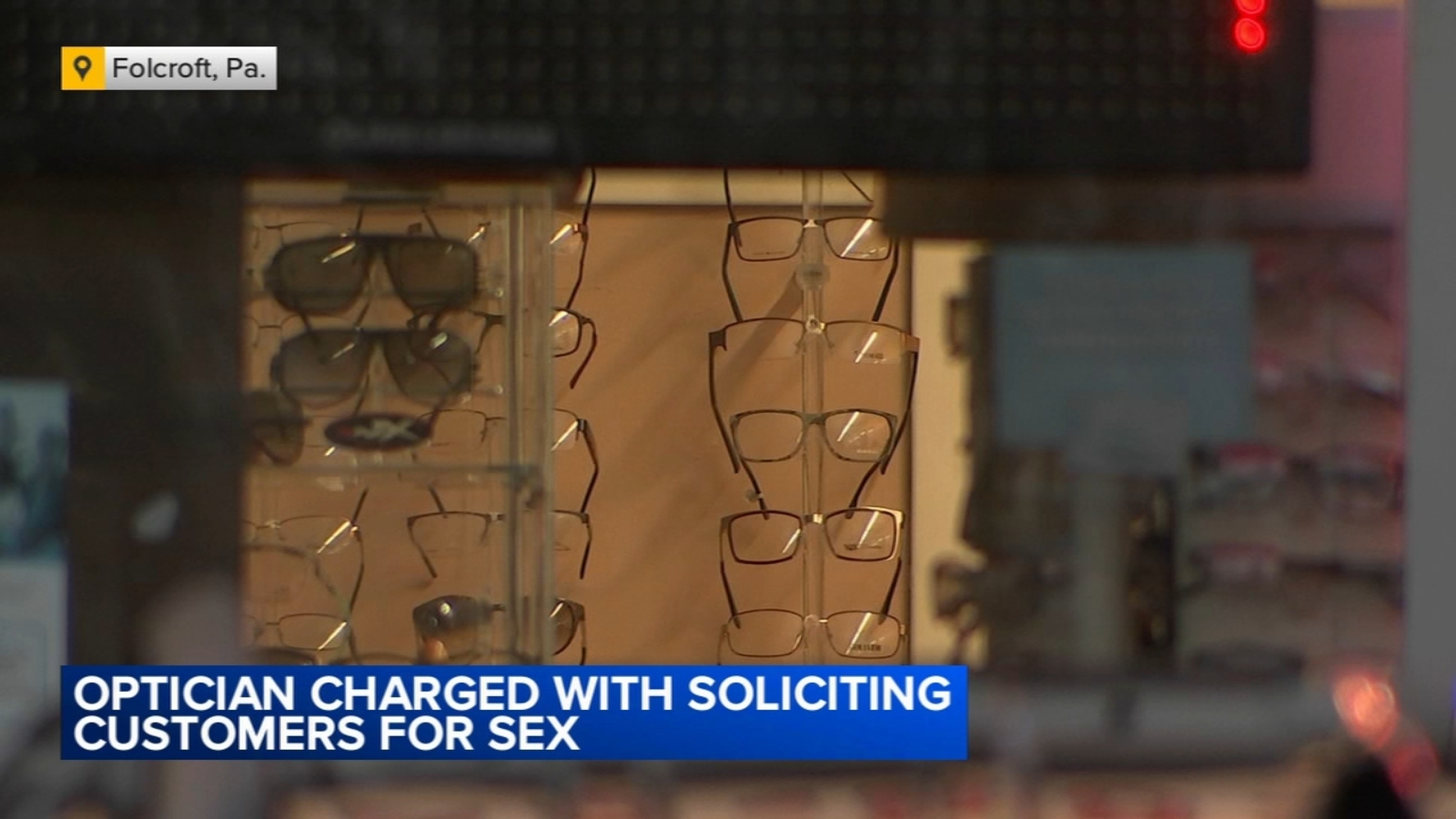
A Delaware County optician charged with soliciting sex is now facing serious legal consequences after authorities say he exploited his professional position at a local eye care practice. According to investigators, 40-year-old Brian Steiner, who was employed at Philly Vision Care in Folcroft, Pennsylvania, allegedly offered customers free eyeglasses, waived charges, and eliminated co-pays in exchange for sexual favors. The case has sent shockwaves through the community and raised broader questions about patient safety, professional ethics, and the trust patients place in healthcare providers.
This disturbing case unfolded after police began investigating allegations that the optician had been using his position of authority to solicit sexual acts from customers inside the business. Steiner reportedly admitted to law enforcement officials that he had either received or performed sexual acts inside the practice on at least 30 separate occasions, revealing a pattern of exploitation that allegedly spanned a significant period of time.
The Allegations and Investigation
The case against the Folcroft optician began when authorities received complaints that prompted a deeper investigation into his conduct at Philly Vision Care. Investigators gathered evidence suggesting that Steiner leveraged his role to manipulate patients into compromising situations. By offering what amounted to financial incentives, including complimentary eyewear and waived fees, the optician allegedly created a coercive dynamic that blurred the lines between professional service and personal exploitation.
When confronted by police, Steiner reportedly confessed to participating in sexual acts within the confines of the business at least 30 different times. This admission shocked investigators and highlighted the calculated nature of the alleged scheme. The sheer number of incidents suggests that this was not an isolated lapse in judgment but rather a sustained pattern of predatory behavior carried out under the guise of legitimate professional practice.
Understanding the Charges
Solicitation of sex in exchange for goods or services constitutes a serious criminal offense in Pennsylvania. The charges brought against Steiner reflect the gravity of allegedly exploiting a professional relationship for personal sexual gratification. When a healthcare provider or service professional uses their position to solicit sexual favors, the legal system treats this as an abuse of trust that warrants significant penalties.
Criminal solicitation charges typically carry consequences that may include:
- Potential imprisonment depending on the severity and circumstances of the case
- Mandatory registration as a sex offender, which can have lifelong implications
- Professional license revocation preventing future practice in the field
- Civil liability for victims who may pursue damages through separate legal action
- Permanent damage to professional reputation and future employment prospects
The case demonstrates how thoroughly Pennsylvania’s legal framework addresses situations where authority figures exploit their positions for sexual purposes. Healthcare settings, in particular, are held to elevated standards because patients enter these spaces with an expectation of safety and professionalism.
The Breach of Professional Ethics
The optometry and optical profession operates under strict ethical guidelines designed to protect patients and maintain the integrity of healthcare delivery. Opticians and optometrists are entrusted with access to patients’ personal information, their medical histories, and their physical wellbeing during eye examinations. This professional relationship creates inherent vulnerabilities that ethical practitioners are expected to honor and protect.
When an optician charged with soliciting sex allegedly weaponizes free glasses and waived fees as bargaining tools, it represents a fundamental violation of these ethical standards. The American Optometric Association and state licensing boards maintain codes of conduct explicitly designed to prevent such abuses. Patients seeking vision care should never have to worry that accepting help with eyewear costs could lead to inappropriate sexual demands.
Impact on the Local Community
Folcroft, a small Delaware County borough in southeastern Pennsylvania, has been shaken by these revelations. Local residents who patronized Philly Vision Care may now question whether they or their loved ones were affected by the alleged misconduct. Community members deserve assurance that the businesses they frequent operate with integrity and respect for personal boundaries.
The investigation has likely prompted local authorities to examine whether other complaints or victims exist who may not have initially come forward. Crimes of this nature often go unreported for extended periods because victims may feel embarrassed, confused, or unsure whether their experience constituted criminal behavior. The pattern of 30 alleged incidents suggests that multiple individuals may have been affected over time.
Patient Safety and Red Flags
This case serves as an important reminder for patients to recognize warning signs when receiving professional services. While the vast majority of healthcare providers maintain appropriate boundaries, understanding potential red flags can help individuals identify problematic situations before they escalate.
Patients should remain alert to any professional who:
- Offers unusually generous discounts or free services without clear explanation
- Suggests meeting in private areas beyond what is necessary for the service
- Makes inappropriate comments about appearance or personal matters
- Attempts to isolate patients from companions or family members
- Creates situations that feel uncomfortable or overly familiar
Healthcare facilities, including optical practices, should implement robust oversight measures including surveillance systems, multiple staff presence during patient interactions, and clear reporting mechanisms for any concerns. The responsibility for maintaining professional boundaries ultimately rests with the provider, but practices must create environments that discourage misconduct and facilitate accountability.
Reporting Mechanisms and Resources
Victims of professional sexual misconduct have multiple avenues for seeking help and justice. Beyond criminal complaints to local law enforcement, individuals can report unethical practitioners to professional licensing boards, which maintain authority to investigate, sanction, and revoke professional credentials. State boards of optometry exist specifically to protect the public from practitioners who violate ethical and legal standards.
Additionally, victim advocacy organizations provide support services including counseling, legal guidance, and assistance navigating the criminal justice system. These resources exist to help survivors process their experiences and pursue appropriate remedies for the harm they have suffered.
Legal Proceedings and Next Steps
As the case moves through the Delaware County criminal justice system, prosecutors will work to build a comprehensive case that may include testimony from multiple victims, documentary evidence of the alleged scheme, and the admissions Steiner reportedly made to investigators. Defense attorneys will likely scrutinize every aspect of the investigation to identify potential weaknesses or procedural issues.
The legal process following such serious allegations typically involves multiple stages including preliminary hearings, potential plea negotiations, and possibly a trial if the case proceeds in that direction. Given the nature of the charges and the alleged pattern of conduct, prosecutors may seek enhanced penalties that reflect the sustained nature of the alleged criminal activity.
Broader Implications for Healthcare Practices
This incident has prompted reflection within the optical and broader healthcare community about safeguards that prevent similar abuses. Practice owners bear significant responsibility for vetting employees, monitoring workplace conduct, and responding promptly to any complaints or suspicious behavior. Background checks, reference verification, and ongoing staff training represent essential components of a comprehensive approach to preventing professional misconduct.
Industry organizations may use cases like this to advocate for enhanced screening procedures, mandatory ethics training, and clearer reporting structures that make it easier for patients and colleagues to raise concerns. The goal is creating healthcare environments where predatory behavior cannot flourish undetected.
Rebuilding Trust After Betrayal
For any individuals who experienced inappropriate behavior at Philly Vision Care, the road to recovery involves both legal resolution and personal healing. The betrayal of trust that occurs when a healthcare provider exploits their position can leave lasting emotional impacts that extend far beyond the immediate circumstances.
Mental health support, support from loved ones, and connection with other survivors can all play important roles in the healing process. No one should feel ashamed for being victimized by someone who abused their professional authority. The criminal justice system, professional licensing boards, and victim advocacy organizations all stand ready to support those affected by such misconduct.
A Cautionary Tale for Communities
The case of this Delaware County optician serves as a sobering reminder that abuse of power can occur in any professional setting, including those dedicated to health and wellness. Communities benefit when such misconduct is identified, investigated, and prosecuted appropriately. Transparency about these cases, while uncomfortable, ultimately serves the public interest by exposing dangerous individuals and prompting protective reforms.
As this case progresses through the legal system, it will likely influence conversations about patient safety, professional accountability, and the mechanisms that exist to protect vulnerable individuals from exploitation. The outcome will hopefully provide some measure of justice for those affected while sending a clear message that abusing professional positions for sexual gratification carries severe consequences that can permanently alter the trajectory of an individual’s life and reputation.
Conclusion
The case of the optician charged with soliciting sex in Folcroft represents a troubling abuse of professional authority that has impacted numerous individuals and shaken a local community. Brian Steiner’s alleged conduct at Philly Vision Care demonstrates how someone in a trusted healthcare position can exploit patients through offers of free services and waived fees in exchange for sexual acts. As legal proceedings continue, this case underscores the critical importance of vigilance, robust professional oversight, and accessible reporting mechanisms for patients who experience misconduct. The optical profession and healthcare industry more broadly must continue working to create environments where such predatory behavior cannot occur, ensuring that patients can access vision care and other medical services with complete confidence in their safety and dignity. Anyone who believes they may have been affected by similar misconduct should know that reporting options exist, victim support is available, and the justice system takes these matters with the seriousness they deserve.