
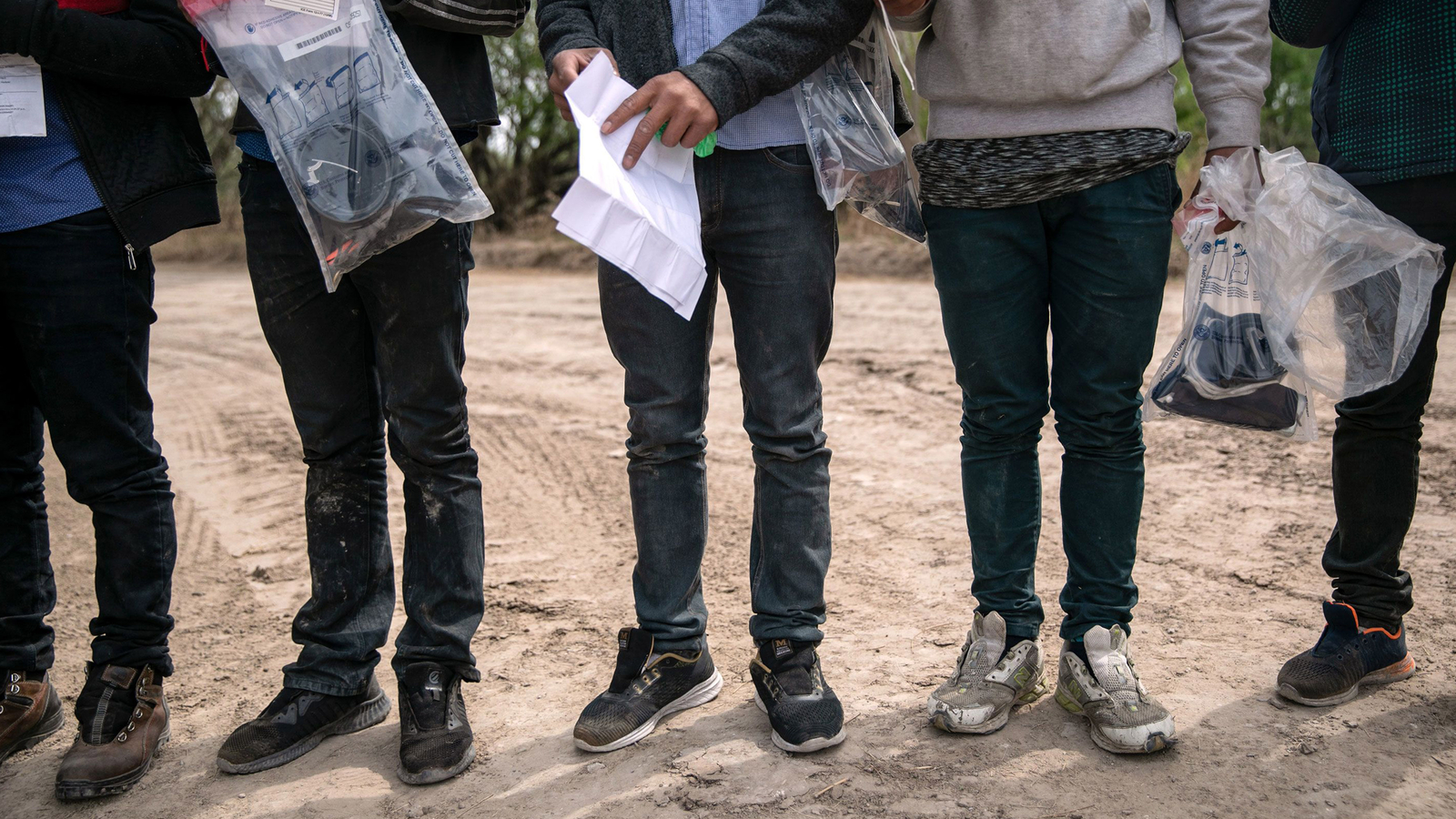
In a move that has sent shockwaves through immigrant advocacy circles, the Trump administration has ordered providers of legal services for migrant children to immediately cease their work. The directive, issued by the Department of the Interior and delivered to organizations serving unaccompanied minors, effectively strips thousands of vulnerable young people of their right to legal representation during immigration proceedings. This latest action represents one of the most aggressive steps yet in a broader campaign to dismantle support systems for immigrants navigating the complex U.S. immigration system.
What the Order Actually Does
The stop-work order was sent to the Acacia Center for Justice, a nonprofit organization that provides legal representation to nearly 26,000 children currently in or recently released from the custody of the Office of Refugee Resettlement (ORR). The ORR, which operates under the Department of Health and Human Services, is the federal agency legally responsible for the care and custody of unaccompanied migrant children who arrive in the United States.
According to statements released by affected organizations, the order directs legal service providers to halt their work with these children. While children who already have attorneys assigned to their cases are unlikely to see immediate disruption, the funding freeze threatens the long-term sustainability of programs that recruit, train, and deploy attorneys to represent minors in immigration court.
Shaina Aber, executive director of the Acacia Center for Justice, did not mince words in her response. She stated that the administration’s decision to suspend this program “undermines due process, disproportionately impacts vulnerable children, and puts children who have already experienced severe trauma at risk for further harm or exploitation.”
Why These Legal Services Matter
To understand the gravity of this decision, it’s important to recognize what these programs actually provide. Legal services for migrant children are not optional luxuries,they are often the only safeguard ensuring that minors receive fair treatment under U.S. immigration law.
Key Services Provided to Unaccompanied Children
- Direct legal representation in immigration court proceedings
- “Know Your Rights” presentations that explain the immigration process in age-appropriate language
- Help with asylum applications and other forms of relief
- Child advocacy during credible fear interviews
- Family reunification support for children being released to sponsors
- Cultural orientation for newly arrived minors
Without these services, children,many of whom speak little or no English, have experienced violence or persecution in their home countries, and have no family members in the U.S. to help them,would be forced to represent themselves in court proceedings that even trained attorneys find complex and intimidating.
The Florence Project Speaks Out
The Florence Immigrant & Refugee Rights Project, another organization directly impacted by the order, has also condemned the decision. The Florence Project provides “Know Your Rights” presentations for children in government custody along with comprehensive legal aid through its Unaccompanied Children Program.
Roxana Avila-Cimpeanu, deputy director of the Florence Project, issued a powerful statement: “Without the services the Florence Project provides through the Unaccompanied Children Program, children, no matter their age, will be forced to represent themselves in immigration court alone. This is an unprecedented attack on immigrant children.”
What Happens When Legal Aid Disappears?
The consequences of removing migrant children rights protections extend far beyond the courtroom. When children lose access to legal counsel, several troubling outcomes become more likely:
- Higher rates of deportation for children who would otherwise qualify for asylum or other forms of relief
- Increased vulnerability to exploitation by traffickers, smugglers, or unscrupulous employers
- Psychological harm to children already suffering from trauma related to their journey and separation from family
- Court backlog worsening as confused minors repeatedly fail to appear or submit incomplete filings
- Wasted government resources as cases drag on without proper legal guidance
A Pattern of Dismantling Immigrant Support
This stop-work order is not an isolated incident. It represents the latest escalation in a series of administration actions targeting organizations that help immigrants understand and exercise their legal rights. Just days after President Donald Trump was inaugurated, the Justice Department issued a similar directive to legal service providers working with immigrants in detention. That order was rescinded without explanation, but it established a troubling precedent.
The pattern is clear: each new action chips away at the infrastructure that supports some of the most vulnerable people in the United States. By targeting legal aid organizations first, the administration effectively removes the people who know how to challenge these policies in court.
The Financial Impact on Service Providers
Beyond the immediate harm to children, the abrupt loss of federal funding threatens the operational viability of the nonprofits themselves. Organizations like the Acacia Center for Justice and the Florence Project depend heavily on government contracts to maintain staff, recruit volunteer attorneys, and serve thousands of clients each year.
Potential Consequences for Legal Aid Organizations
- Mass layoffs of attorneys and support staff specializing in children’s immigration cases
- Closure of regional offices and outreach programs
- Reduced capacity to take on new cases or represent newly arrived children
- Loss of institutional expertise that has been built up over decades
- Inability to train the next generation of immigration attorneys
Even if funding is eventually restored, the damage from such abrupt interruptions can take years to repair. Specialized legal programs require experienced attorneys, established relationships with courts, and deep knowledge of constantly evolving immigration law,resources that cannot be rebuilt overnight.
The Broader Implications for Due Process
Perhaps the most troubling aspect of this policy is its attack on due process itself. The United States has long prided itself on a legal system that guarantees every person,citizen or not,the right to be heard in court. For unaccompanied migrant children, this principle is especially important because they face immigration proceedings without the protections afforded to adults, yet are expected to navigate the same complex legal system.
Legal Experts Weigh In
Immigration attorneys and children’s rights advocates have long argued that representing unaccompanied children is not just a matter of compassion but a constitutional and humanitarian imperative. Under existing law, children have the right to counsel in certain proceedings, and federal funding has historically ensured that those who cannot afford an attorney still receive competent representation.
By suspending these programs, the administration is effectively creating a two-tiered system of justice,one for children whose families can afford private immigration lawyers, and another for those who cannot. For most unaccompanied minors, who arrive with little more than the clothes on their backs, this means facing federal immigration judges alone.
What Comes Next for Migrant Children and Their Advocates
Legal service providers and immigrant rights organizations have already begun mobilizing to challenge the order. Advocacy groups are expected to file legal challenges, while nonprofit leaders are seeking emergency funding from private donors to maintain at least some services during the disruption.
Congressional representatives and senators have also raised concerns about the policy, with some calling for hearings into the rationale behind the decision. Meanwhile, faith-based organizations, ethnic community associations, and volunteer attorney networks are exploring ways to fill the gap, though their capacity is limited compared to the federally funded programs being suspended.
How Communities Can Help
For readers concerned about the fate of unaccompanied migrant children and the loss of immigration legal aid, there are several meaningful ways to support these vulnerable populations:
- Donate to organizations like the Acacia Center for Justice, the Florence Immigrant & Refugee Rights Project, and other children’s legal aid groups
- Volunteer as a pro bono attorney if you have legal credentials and language skills in Spanish or other languages common among newly arrived minors
- Contact elected officials to express opposition to the funding cut and demand restoration of services
- Share accurate information about the situation to counter misinformation about immigrant children
- Support foster care programs that care for unaccompanied minors released to sponsors
Conclusion: A Defining Moment for Children’s Rights
The suspension of legal services for migrant children marks a watershed moment in American immigration policy. By cutting off access to legal representation for some of the most vulnerable people in the country, the administration is testing the boundaries of due process and the nation’s commitment to protecting children in its care. The organizations affected have been clear: this is not just a policy disagreement but a moral crisis that puts thousands of traumatized young people at risk of deportation, exploitation, and further harm.
Whether through the courts, Congress, or grassroots advocacy, the response to this decision will shape the future of how the United States treats children who arrive at its borders alone. One thing remains certain,the attorneys, social workers, and advocates who have dedicated their careers to defending migrant children will not go quietly. Their fight, and the fate of the children they serve, deserves the attention of every American who believes that justice should not depend on the contents of a child’s wallet.