
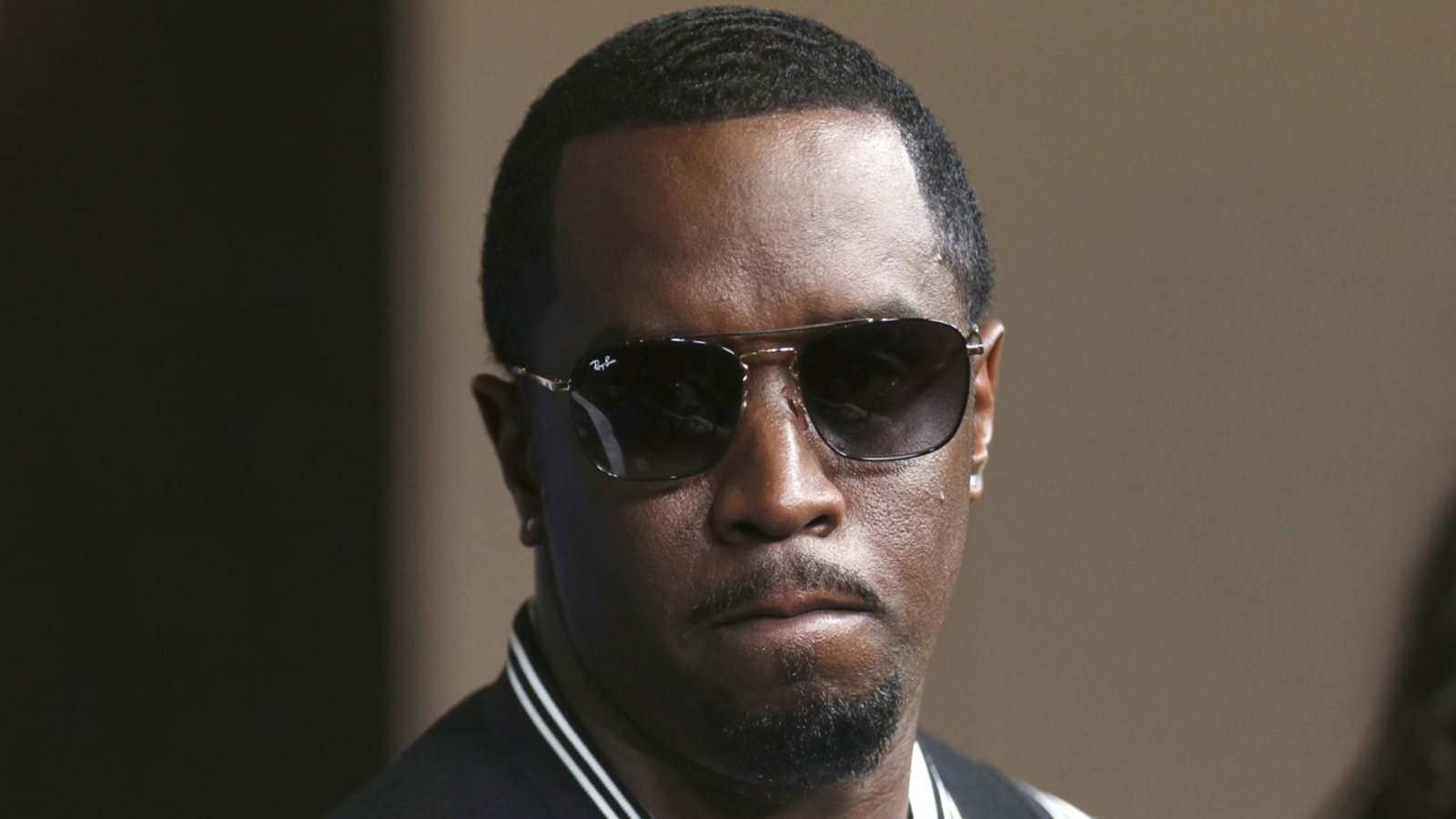
The ongoing Diddy prosecution has taken a dramatic new turn as defense attorneys for Sean “Diddy” Combs filed a motion to dismiss one of the charges, alleging that federal prosecutors targeted the music mogul because of his race. In a bold legal maneuver, the defense team accused the government of exhibiting “bad faith” and “racial animus” throughout the handling of the case, setting the stage for a contentious courtroom battle as the trial date approaches this spring.
Background of the Sean Combs Trial
Sean Combs, one of the most influential figures in hip-hop history and founder of Bad Boy Records, faces a series of serious federal charges, including racketeering conspiracy, sex trafficking, and transportation to engage in prostitution. He has pleaded not guilty to all counts and has consistently maintained his innocence. The case, being prosecuted in the Southern District of New York, has attracted national attention given Combs’ celebrity status and the gravity of the allegations.
At the heart of the indictment is the allegation that Combs transported individuals across state lines to participate in prolonged sexual encounters referred to as “freak offs.” Federal prosecutors have built a complex case involving multiple accusers and a web of alleged misconduct spanning years. However, Combs’ legal team has pushed back aggressively, arguing that the prosecution itself is flawed and motivated by improper considerations.
The Defense’s Racial Animus Argument
In a newly filed court document, defense attorneys Alexandra Shapiro and Marc Agnifilo made a striking claim: that their client has been “singled out because he is a powerful Black man.” The filing argues that no white individual has ever faced a remotely comparable prosecution under the same statute, framing the case as a textbook example of selective prosecution.
The motion specifically targets Count Three of the indictment, which charges Combs under the White-Slave Traffic Act,commonly known as the Mann Act,for hiring male escorts from another state. The defense contends that this statute, originally enacted in 1910 to combat forced prostitution and human trafficking, is being applied in an unprecedented manner against their client.
“Mr. Combs has been singled out because he is a powerful black man, and he is being prosecuted for conduct that regularly goes unpunished,” the defense attorneys wrote. They argued that Count Three should be dismissed outright, labeling it a clear instance of selective prosecution rooted in racial bias.
A Selective Prosecution Claim Explained
To succeed on a selective prosecution claim, defendants typically must demonstrate two things: first, that others similarly situated were not prosecuted for comparable conduct, and second, that the prosecution was motivated by an impermissible consideration such as race, religion, or political affiliation. The Combs defense team is leaning heavily on the first prong, pointing to a notable historical parallel to bolster their case.
The Eliot Spitzer Comparison
Perhaps the most compelling piece of the defense’s argument centers on the case of former New York Governor Eliot Spitzer. In 2008, Spitzer was publicly linked to a high-profile prostitution ring involving the Emperors Club VIP. Despite the scandal and his subsequent resignation from office, Spitzer was never charged under the White-Slave Traffic Act.
The defense filing emphasizes that Spitzer “engaged in similar conduct but were never charged under the Act.” This comparison is central to the defense’s contention that Combs is being treated differently,and unfairly,compared to white individuals who allegedly engaged in comparable behavior.
The implication is troubling: if a former governor could walk away from a prostitution scandal without federal charges, why is a Black celebrity being prosecuted under the same statute for allegedly similar conduct? The defense is banking on this disparity to convince a judge that the prosecution lacks legitimacy.
The Cowboys 4 Angels Connection
Another key element of the defense filing involves Cowboys 4 Angels, an escort service that was featured on the Showtime reality series “Gigolos.” The defense argues that Combs used this service to bring third parties into his personal sexual relationships,a practice the legal team characterizes as common among wealthy, high-profile individuals.
“Many couples, including wealthy high-profile couples, involve third parties in their sexual relationships, sometimes for implicit or explicit remuneration,” the filing states. The defense points out that no federal prosecutor has ever targeted Cowboys 4 Angels, its CEO, its escorts, or any of its customers for prosecution. This, they argue, is further evidence of selective enforcement.
The filing references specific media coverage, including an episode of ABC’s “Nightline” that featured the escort service, to establish that the company’s operations were well-known and yet attracted no federal scrutiny,until, allegedly, Combs became involved.
Broader Implications of the Selective Prosecution Claim
The racial animus argument in the Diddy prosecution carries weight beyond the courtroom. It raises fundamental questions about how federal law enforcement prioritizes cases and whether high-profile Black celebrities face disproportionate legal consequences compared to their white counterparts engaged in similar conduct.
Historical Context of the Mann Act
The White-Slave Traffic Act, originally known as the Mann Act, has a controversial history. Enacted in 1910, the law was ostensibly designed to combat human trafficking and the exploitation of women. However, it has historically been used in ways that critics argue reflected racial and moral biases of earlier eras. The defense’s invocation of this history adds an additional layer of complexity to the current case.
If the court agrees to dismiss Count Three, it could signal a significant narrowing of how prosecutors apply the statute, particularly in cases involving consensual adult behavior. Conversely, if the motion is denied, the racial animus argument may still surface during trial as part of a broader defense strategy aimed at undermining the credibility and motives of the prosecution.
What Happens Next in the Case
A spokesman for the U.S. Attorney’s office for the Southern District of New York has declined to comment on the latest filing. However, federal prosecutors are expected to file a formal response in the coming weeks, directly addressing the accusations of racist and selective prosecution.
The judge presiding over the case will need to weigh several factors:
- Similarity of conduct between Combs and the individuals cited by the defense
- Evidence of discriminatory intent on the part of prosecutors
- Legal precedent governing selective prosecution motions
- Broader public interest considerations in the application of federal law
With the trial scheduled to begin this spring, time is of the essence. Both sides are likely to intensify their legal maneuvering in the weeks ahead, and the outcome of this motion could significantly shape the trajectory of the entire case.
Public Reaction and Media Coverage
The racial animus filing has sparked heated debate across media platforms and social media. Supporters of Combs argue that the prosecution exemplifies a double standard in how the justice system treats Black celebrities versus their white counterparts. Critics, on the other hand, point to the seriousness of the underlying allegations,including sex trafficking and racketeering,as justification for the charges regardless of race.
High-profile figures have begun weighing in, and the case has become a flashpoint in broader conversations about racial equity, prosecutorial discretion, and celebrity justice in America. Whatever the legal outcome, the Diddy prosecution has already succeeded in raising uncomfortable questions about how the federal criminal justice system operates.
Conclusion
The defense’s racial animus filing represents one of the most aggressive legal strategies in the ongoing Sean Combs trial. By invoking the specter of selective prosecution and drawing direct comparisons to the Eliot Spitzer scandal, attorneys Alexandra Shapiro and Marc Agnifilo have placed race,and the integrity of federal prosecutorial decision-making,at the center of the case. As the trial date approaches, the court will face the challenging task of balancing the interests of justice against claims of bias and unfair targeting. Regardless of how the motion is decided, the Diddy prosecution will continue to serve as a powerful lens through which the public examines questions of race, power, and equality under the law in the American criminal justice system.