
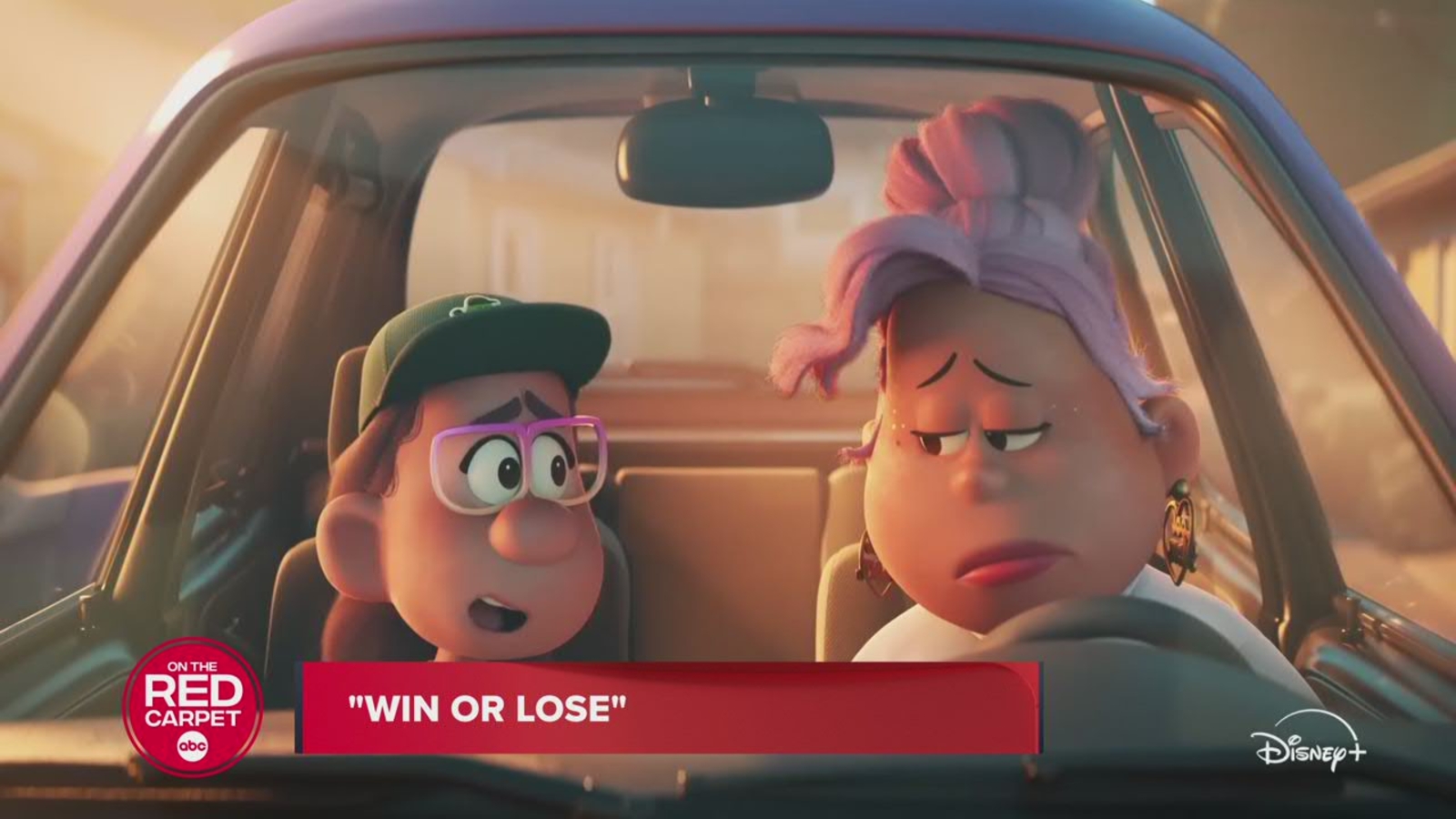
Pixar Animation Studios has long been celebrated for its ability to craft emotionally resonant stories that transcend age and culture. With Win or Lose, the studio takes a bold step into a brand-new format: episodic television. Now streaming on Disney+, Win or Lose marks Pixar’s very first original animated series, and it’s already generating buzz for its inventive storytelling, rich character development, and signature emotional depth that audiences have come to expect from the legendary studio.
What sets this series apart isn’t just the prestige of the Pixar name or its streaming home on Disney+. It’s the unique narrative structure that places viewers inside the heads of multiple characters, all leading up to the same pivotal event. The result is a show that feels fresh, ambitious, and emotionally complex , exactly the kind of creative leap Pixar fans have been waiting for.
The Concept Behind Pixar’s Groundbreaking Series
At the heart of Win or Lose lies a deceptively simple premise: a group of people can share an experience and each walk away with a completely different interpretation of what happened. The series uses this idea as a springboard to explore empathy, perspective-taking, and the invisible stories that play out in every sports game, school play, and family gathering.
Specifically, the show follows eight distinct characters as they prepare for a championship softball game. The cast includes not only the young athletes competing on the field but also the parents watching from the stands and even a lovesick umpire trying to keep the game on track. Each episode shifts focus to a different character, peeling back layers of assumption and judgment to reveal the complicated, vulnerable humans underneath.
A Fresh Approach to Character-Driven Narrative
This rotating-perspective format is more than a clever gimmick , it’s a deliberate storytelling choice rooted in emotional truth. By dedicating individual episodes to each character’s point of view, the creators invite viewers to slow down and consider the lives of people they might otherwise overlook. It’s a powerful tool for fostering understanding, especially among younger audiences still learning how to navigate social dynamics and personal insecurities.
Meet the Creative Team Behind Win or Lose
Behind every Pixar production stands a team of passionate storytellers, and Win or Lose is no exception. The series is helmed by a trio of accomplished creators who share a unified vision for what this show can achieve.
Michael Yates , Writer, Director, and Executive Producer
Michael Yates serves as one of the creative forces driving the series forward. In interviews on The Red Carpet, Yates emphasized the foundational theme of the show: empathy and perspective. “The show has always been about empathy and perspective and walking a mile in someone else’s shoes,” he explained. His direction focuses on the idea that first impressions are often incomplete, and that real understanding requires us to look beyond surface-level judgments.
Carrie Yates , Writer, Director, and Executive Producer
Working alongside Michael, Carrie Yates brings her own creative sensibilities to the project. She personally championed one of the show’s most imaginative creations: a manifestation of insecurity named “Sweaty.” Her contribution highlights the emotional inventiveness that defines Pixar’s approach to storytelling, translating abstract feelings into tangible, animated characters that audiences can see and feel.
David Lally , Producer and Executive Producer
Rounding out the leadership team, producer David Lally provided insight into the larger philosophical heart of the series. He noted that everyone , no matter their age , carries emotional baggage through life. “There’s something really special about, no matter if you’re a kid or an adult, we have these things with us throughout our entire lives,” Lally shared. “It’s a series of like wins or losses just to kind of go with the title of the show, and it’s kind of all about how we manage them and how we pick ourselves back up and kind of look forward to the next play.”
Exploring the Characters of Win or Lose
One of the most intriguing aspects of Win or Lose is its richly imagined character roster. Each figure represents a different facet of the human experience, and the show’s willingness to dive deep into their inner worlds sets it apart from more conventional animated programming.
Laurie and Her Imaginary Companion “Sweaty”
Among the standout characters is Laurie, a young softball player whose internal struggles are visualized in one of the show’s most creative touches. Laurie’s insecurities don’t just simmer quietly , they take shape as a blob-like creature named “Sweaty,” visible only to her. As the championship game approaches and her anxieties intensify, this imaginary creature grows larger and more intrusive, eventually dominating her thoughts even as she tries to sleep.
Carrie Yates described the inspiration behind this inventive character in relatable terms: “Just last night, I’m going through the recollection of everything that happened that day and that’s the blob sitting on top of you, talking to you, basically.” The choice to give Laurie’s anxiety a physical, animated form transforms a deeply personal struggle into something that resonates universally. By making insecurity visible and even “loveable,” the show invites viewers to confront their own emotional experiences with compassion and humor.
The Broader Cast of Personalities
Beyond Laurie, the series introduces viewers to a wide spectrum of personalities. The kids on the softball team each carry their own dreams, pressures, and fears. The parents bring their own complicated relationships with competition, identity, and family expectations. Even the umpire , a figure typically backgrounded in sports stories , gets the spotlight, with his own romantic subplot adding levor and heart to the broader narrative.
This expansive cast allows the series to cover themes ranging from peer pressure and parental expectation to self-doubt and unrequited love. Each episode becomes a small, self-contained emotional portrait that contributes to a richer, more complete picture of community.
The Themes That Drive the Story
While the championship softball game provides the narrative framework, the true subject of Win or Lose is human emotion. The series operates on the belief that every individual carries invisible weights that shape how they move through the world , and that acknowledging those weights is the first step toward genuine connection.
Empathy as a Storytelling Engine
Empathy isn’t just a theme in Win or Lose; it’s the structural foundation. By moving from character to character, the show models exactly the kind of perspective-taking it asks its audience to practice. Viewers are invited to consider not just what a character is doing, but why they’re doing it , what fears drive them, what hopes sustain them, and what past experiences have shaped their present.
Wins, Losses, and Everything In Between
The title itself suggests a binary, but the show is interested in the gray area between triumph and defeat. As David Lally articulated, life is essentially “a series of like wins or losses,” and the real question is how we handle each one. This philosophical undercurrent gives the series its weight, elevating it from a simple sports story to a meditation on resilience, growth, and the courage to keep trying.
Behind the Scenes at Pixar
Creating an animated series is no small feat, and Pixar’s transition into episodic storytelling required the studio to flex new creative muscles. Win or Lose represents a behind-the-scenes evolution as much as an on-screen one. For a studio best known for feature films, producing a multi-episode series demands sustained narrative planning, consistent visual quality across episodes, and character designs capable of carrying emotional weight in a shorter format.
The show’s visual style retains the warmth Pixar is known for , expressive character animation, vibrant color palettes, and an attention to detail that rewards close viewing. The character of “Sweaty,” in particular, showcases the studio’s continued commitment to designing creatures that feel both whimsical and emotionally precise.
Why This Show Matters for Families and Animation Fans
For families seeking meaningful content, Win or Lose offers a rare combination: it’s entertaining enough for younger viewers and emotionally sophisticated enough to engage adults. Parents watching alongside their children will find plenty to discuss, from the lessons each character learns to the ways insecurities manifest in everyday life.
For animation enthusiasts, the series represents an exciting expansion of what Pixar can do. The episodic format opens up space for slower character development, more experimental storytelling, and a broader canvas than a single feature film can typically provide. It’s a chance for the studio to demonstrate that its storytelling magic isn’t limited to a two-hour runtime.
And for anyone who has ever felt misunderstood, judged, or weighed down by self-doubt, Win or Lose offers a quiet reassurance: your inner experience is valid, and there are people who would walk a mile in your shoes if given the chance.
Conclusion: A Worthy First Step into Episodic Storytelling
Win or Lose is more than just another entry in Pixar’s impressive catalog , it’s a meaningful evolution for the studio and a thoughtful addition to Disney+’s growing library of original content. By centering its narrative on empathy, perspective, and the messy emotional realities of everyday life, the series delivers something that feels both timely and timeless. Whether you’re drawn in by the inventive characters like Laurie and her anxious companion “Sweaty,” curious about the championship softball game that ties everything together, or simply a fan of animation that dares to be different, this series has something to offer. Win or Lose is now streaming exclusively on Disney+, and it’s well worth the watch for anyone ready to see a championship game , and the people connected to it , through entirely new eyes.