
When tragedy strikes a quiet suburban neighborhood, the community often bands together in pursuit of justice. That sentiment rang true this week as authorities announced a hit and run arrest in Warrington, Pennsylvania, thanks in large part to the vigilance of local residents who captured crucial evidence on home security cameras. The incident, which left a 71-year-old woman critically injured during what should have been a peaceful morning walk, has shaken residents and sparked important conversations about accountability and the role of modern surveillance technology in solving crimes.
The Morning Everything Changed on Addison Way
The events unfolded along the 600 block of Addison Way, a residential stretch where neighbors know one another and mornings typically begin with quiet routines. Around 9 a.m. on Monday, the elderly victim was doing exactly what she had likely done countless times before, taking her daily walk through the neighborhood. What happened next would leave the community reeling.
First responders who arrived at the scene initially believed they were responding to a report of a person who had simply fallen. It wasn’t until later that the true nature of the incident came to light, transforming an apparent accident into a criminal investigation. The severity of the situation became painfully clear as the victim was transported to a trauma center, bleeding from head injuries sustained during the collision.
What the Surveillance Video Revealed
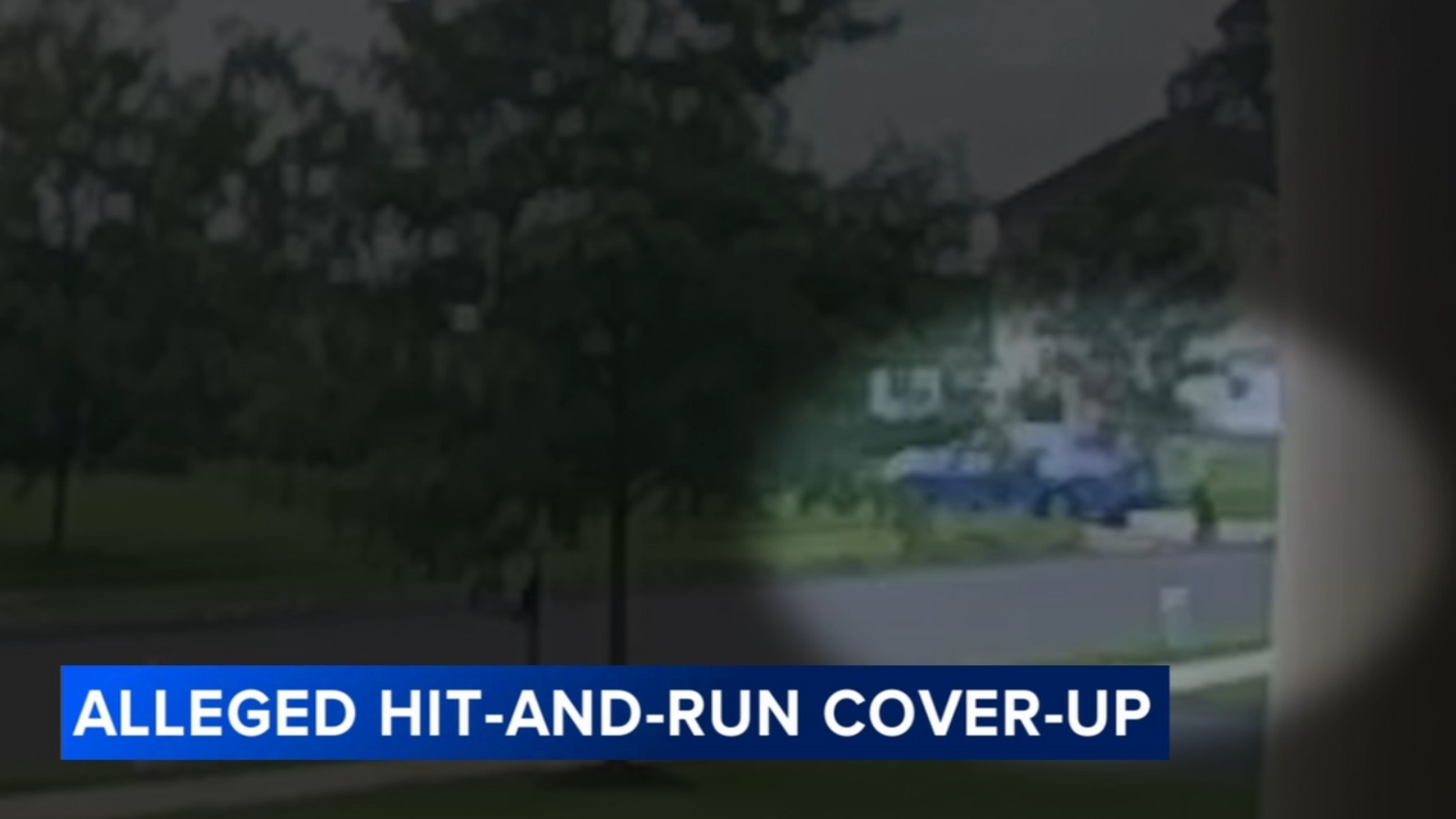
The turning point in this case came from an increasingly common source, neighborhood home security footage. Detectives received video evidence showing a blue Toyota reversing out of a driveway at high speed and striking the woman during her walk. The footage was so damning and so clear that Warrington Police Chief Daniel J. Friel didn’t hesitate to credit it with cracking the case.
“The video did save us here,” Chief Friel told reporters.
The surveillance footage revealed critical details about the impact itself. According to the police chief, the force of the collision threw the woman approximately six to eight feet through the air, a distance that speaks to the severity of the crash. What happened immediately after has become a focal point of community outrage and the basis for criminal charges.
The Driver’s Actions After the Crash
Investigators say the driver, later identified as 60-year-old Anwar Hussain, briefly exited his vehicle after the collision. He reportedly looked at the injured woman on the ground, then made the unthinkable decision to return to his car and drive back up the driveway rather than render aid or call for help.
It’s a sequence of events that has disturbed residents deeply. Neighbors described the incident as shocking, with many expressing disbelief that such a thing could happen in their usually peaceful community. The emotional weight of seeing an elderly neighbor struck down and left without immediate assistance has left lasting impressions on everyone who witnessed the aftermath.
Return to the Scene
In a development that only added to the community’s frustration, Hussain later returned to the scene holding his cell phone. A neighbor identified as Priya described her interaction with the driver, noting that when she asked whether he had contacted emergency services, he simply said, “You call 911.”
“It was upsetting because she was clearly in a lot of pain,” Priya explained, recalling the helplessness of witnessing someone suffer while unsure whether help had been summoned. She took it upon herself to make the call and coordinate with first responders until they arrived.
When officers questioned residents at the scene, including Hussain himself, the driver chose to remain silent. According to Chief Friel, when investigators asked whether anyone had witnessed how the incident occurred or what led to it, the suspect provided no information. This silence, combined with the conflicting timeline of his departure and return, would later factor heavily into the investigation.
How Neighborhood Video Evidence Sealed the Case
While officers worked the scene that morning, detectives were unknowingly building their case from a distance. Approximately 45 minutes after the area was cleared, residents began forwarding their home surveillance footage directly to investigators. That evidence told the complete story that eyewitnesses couldn’t capture in real-time.
This case stands as a powerful example of how modern technology, particularly the proliferation of doorbell cameras and residential security systems, has transformed criminal investigations. What might have remained an unsolved hit and run became a clear-cut arrest once the video evidence was reviewed.
Following the crash, police say Hussain drove the vehicle to his workplace in Philadelphia. This detail, combined with the contradictory timeline of his movements and his failure to report the incident, helped build the foundation for the felony charges that followed.
Community Reaction and Frustration
The neighborhood’s response to the incident has been a mix of anger, sympathy, and resolve. Resident Kirtan Patel didn’t mince words when describing the situation, calling it “kind of negligence” and emphasizing that even fear shouldn’t prevent someone from seeking help for a victim.
“He might be scared, but still you should call for help or say sorry I hit her. It’s very disturbing,” Patel said.
Priya’s reaction was even more intense. She described herself as “furious” and “disgusted,” emotions shared by many who learned the details of what happened. However, alongside that anger came a measure of relief that justice might actually be served.
“I’m just glad that the detectives and the police are able to do the right thing and had the video footage and enough information to arrest him,” she expressed. Her words capture a community’s gratitude for both law enforcement’s diligence and the technology that made the arrest possible.
The Legal Consequences and Ongoing Investigation
In the wake of this hit and run arrest in Warrington, Anwar Hussain now faces felony charges related to the incident. He has been released on unsecured bail, a decision that authorities say reflects their assessment that he does not pose a significant flight risk, despite the seriousness of the allegations against him.
Chief Friel was careful to note that the crash itself does not appear to have been intentional. The investigation has not produced evidence suggesting that Hussain deliberately targeted the victim or planned the collision. However, the chief emphasized an important principle that should serve as a warning to all drivers:
“We don’t think this was a on-purpose thing; accidents happen, but there are consequences when you don’t report these accidents.”
The Broader Lesson for Drivers
This case highlights a truth that legal experts and law enforcement officers have stressed for years: the decision to flee an accident scene almost always makes a bad situation significantly worse. Drivers involved in crashes face legal obligations regardless of fault, and failing to meet those obligations can transform a routine accident into a criminal matter with serious penalties.
In Pennsylvania, hit and run incidents carry substantial consequences, particularly when injuries result. Felony charges can result in significant prison time, hefty fines, and lasting damage to one’s reputation and future opportunities. Beyond the legal ramifications, there’s the human cost to consider, the guilt of leaving an injured victim without assistance, and the knowledge that one’s cowardice compounded someone else’s suffering.
The Path Forward for the Victim and Community
As the legal process moves forward, the focus for many residents remains on the recovery of the injured woman. Neighbors expressed hope that she would heal and eventually return to her daily walks, a small but meaningful wish that speaks to the close-knit nature of this suburban community.
“Hopefully, she’ll be back on her feet and going for a walk within a couple of weeks,” Patel said, voicing the collective sentiment of those who have rallied around her in the wake of this tragedy.
The Role of Community Vigilance
Beyond the immediate case, this incident serves as a reminder of how ordinary citizens can play a crucial role in the pursuit of justice. The neighbors who had security cameras installed, the residents who reviewed their footage and quickly shared it with detectives, and the people like Priya who stepped in to help a stranger in distress all contributed to a resolution that might not have been possible without their involvement.
These days, home surveillance systems are more accessible and affordable than ever, and their value extends far beyond protecting property. They protect communities, preserve evidence, and ensure that those who might otherwise escape accountability are held responsible for their actions.
Conclusion
The hit and run arrest in Warrington stands as both a cautionary tale and a testament to community cooperation. A 71-year-old woman’s morning walk turned tragic because of one driver’s catastrophic failure to take responsibility for his actions, but the case moved toward justice because neighbors refused to let that failure go unaddressed. As the victim continues her recovery and the legal system processes the charges against Anwar Hussain, this community can take some comfort in knowing that they played a vital role in ensuring accountability. For drivers everywhere, the message is clear: accidents happen, but the decision to leave someone injured and alone transforms an accident into a crime, one with consequences that cannot be outrun.