
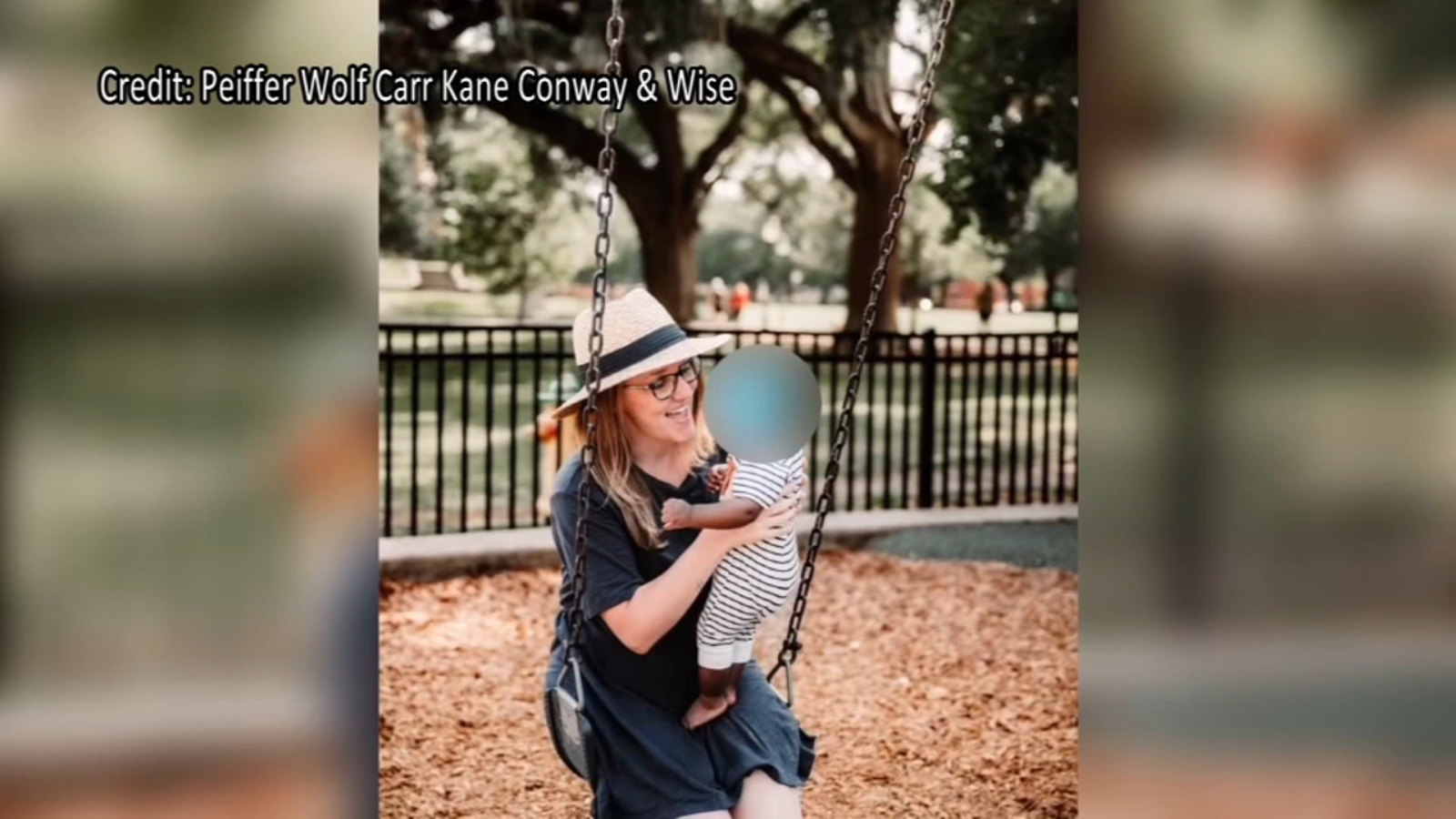
An IVF mix-up at a Georgia fertility clinic has resulted in a devastating chain of events, culminating in a lawsuit that has captured national attention. Krystena Murray, a 38-year-old woman from Savannah, alleges that Coastal Fertility Specialists (CFS) implanted the wrong embryo during her in vitro fertilization cycle, leading her to carry and deliver a baby who was not biologically hers. The case raises urgent questions about patient safety, accountability, and the safeguards,or lack thereof,within the fertility treatment industry.
The Dream of Motherhood
Murray had long envisioned herself as a mother. From childhood, she dreamed of starting a family, and as she grew older, she decided to pursue motherhood independently. After approximately 18 months of unsuccessful intrauterine insemination attempts, she contacted CFS, a clinic operating across Georgia and South Carolina, in late 2022 or early 2023.
Over the following months, Murray underwent a rigorous IVF protocol. She attended multiple follow-up appointments, completed blood work, and administered daily hormone injections for two weeks to stimulate her ovaries. After one egg retrieval and a second embryo transfer in May 2023, she finally conceived. In late December 2023, she gave birth to a baby boy.
The Moment Everything Changed
The joy of meeting her newborn son quickly turned to confusion and alarm. Murray, who is white and had selected a donor with similar features,dirty blonde hair and blue eyes,was stunned to discover that her baby was African American. Within seconds of seeing her child, two competing thoughts flooded her mind: the overwhelming love any new mother feels, and the chilling realization that something had gone terribly wrong.
Suspecting a fertility clinic mistake, Murray purchased an at-home DNA test in late January 2024. The results confirmed her worst fears: the baby was not genetically related to her. What had begun as her dream of motherhood had spiraled into an unimaginable scenario,an embryo mix-up that would alter multiple lives forever.
The Emotional Toll of a Wrong Embryo Transfer
Despite knowing that the child was not biologically hers, Murray bonded deeply with her son. She breastfed him, took him to pediatric appointments, and embraced the experience of motherhood she had yearned for. But the weight of the situation loomed large.
When Murray’s attorneys contacted CFS in February 2024 to share her concerns, the clinic acknowledged the error. Staff then reached out to the biological parents,the couple whose embryo had been mistakenly transferred to Murray,to inform them of what had happened.
The biological parents subsequently filed a custody lawsuit against Murray. After consulting with a family law attorney and investing significant time and money into the legal battle, Murray was advised that she would likely lose her case. In May 2024, during a family court hearing, she voluntarily relinquished the baby to his genetic parents,the last time she has seen him.
Where Is Her Own Embryo?
One of the most haunting aspects of Murray’s IVF malpractice case is the unresolved question of what happened to her own embryo. According to her lawsuit, no one has confirmed whether her embryo was transferred to another patient, whether it resulted in a pregnancy, or whether it remains unaccounted for. This uncertainty adds another layer of anguish to an already painful situation.
Legal Action: Holding the Fertility Clinic Accountable
Murray’s lawsuit, filed in the State Court of Chatham County, Georgia, names CFS and several staff members as defendants. Her legal team, led by the firm Peiffer Wolf Carr Kane Conway & Wise, has built a case based on multiple allegations:
- Negligence and gross negligence in handling and transferring embryos
- Bailment violation, as the clinic held her genetic material in trust
- Breach of fiduciary duty
- Fraudulent concealment
- Battery, for performing an unauthorized medical procedure
- Lack of informed consent
- Violations of the Georgia Fair Business Practices Act
- Violations of the South Carolina Unfair Trade Practices Act
The attorneys are seeking a judgment exceeding $75,000, along with punitive damages, treble damages, recovered attorney fees, and additional costs.
An Attorney with Perspective on Fertility Industry Errors
Murray’s attorney, Adam Wolf, is no stranger to fertility clinic litigation. He has represented more than 1,000 people in cases involving alleged errors during assisted reproductive treatments over the past 13 years. He describes Murray’s experience as the kind of nightmare patients never anticipate.
“You might come out of that process without having any embryos,” Wolf explained. “But what you never think in your wildest fear is that your fertility clinic is going to transfer to you an embryo that belongs to somebody else. That is beyond the pale, and it should never happen at a fertility clinic.”
Wolf expressed hope that the lawsuit would compel CFS to overhaul its procedures and prompt broader industry-wide reforms in reproductive law and patient safety protocols.
Broader Implications for the Fertility Industry
This case shines a spotlight on the vulnerabilities within the rapidly growing field of assisted reproductive technology. While IVF has helped millions of people build families, the industry remains subject to human error, and the consequences can be life-altering.
The Need for Stricter Safeguards
Cases like Murray’s raise critical questions about how fertility clinics manage embryo identification and transfer procedures. Standard safeguards typically include double-witness verification of embryo labels at every stage of handling. When these protocols fail,or are bypassed,the results can be catastrophic, affecting not just the patients directly involved but the biological parents who may not even know their embryo has been implanted elsewhere.
Advocates argue that the fertility industry needs stronger federal and state-level regulations to prevent wrong embryo implanted incidents. This could include mandatory electronic tracking systems, third-party audits, standardized chain-of-custody documentation, and stricter licensing requirements for clinics performing IVF procedures.
Supporting Patients Through Unthinkable Outcomes
For patients navigating fertility challenges, Murray’s story underscores the importance of asking clinics detailed questions about their safety protocols. Inquiries should cover how embryos are labeled and tracked, who verifies identities at each step, and what the clinic’s error history has been.
Murray’s Message to Others
Despite the unimaginable loss, Murray is determined to turn her pain into advocacy. She continues to undergo fertility treatment at a different clinic, hoping to finally achieve her dream of motherhood. She wants others going through similar experiences to know they are not alone.
“Use your voice. Don’t be silenced,” she urged. “If we don’t come forward, if we don’t share our experiences, there will never be change, and this will just be a repetitive cycle.”
Conclusion
The lawsuit filed by Krystena Murray is more than a personal legal battle,it is a wake-up call for an industry entrusted with some of the most profound responsibilities in medicine. An IVF mix-up like the one she experienced is not just a clinical error; it is a human tragedy with ripple effects that touch multiple families and last a lifetime. As more patients come forward and legal cases accumulate, the fertility industry may be forced to confront uncomfortable truths about its procedures and adopt the rigorous safeguards necessary to protect those who place their deepest hopes in its care. For Murray and countless others, meaningful reform cannot come soon enough.