
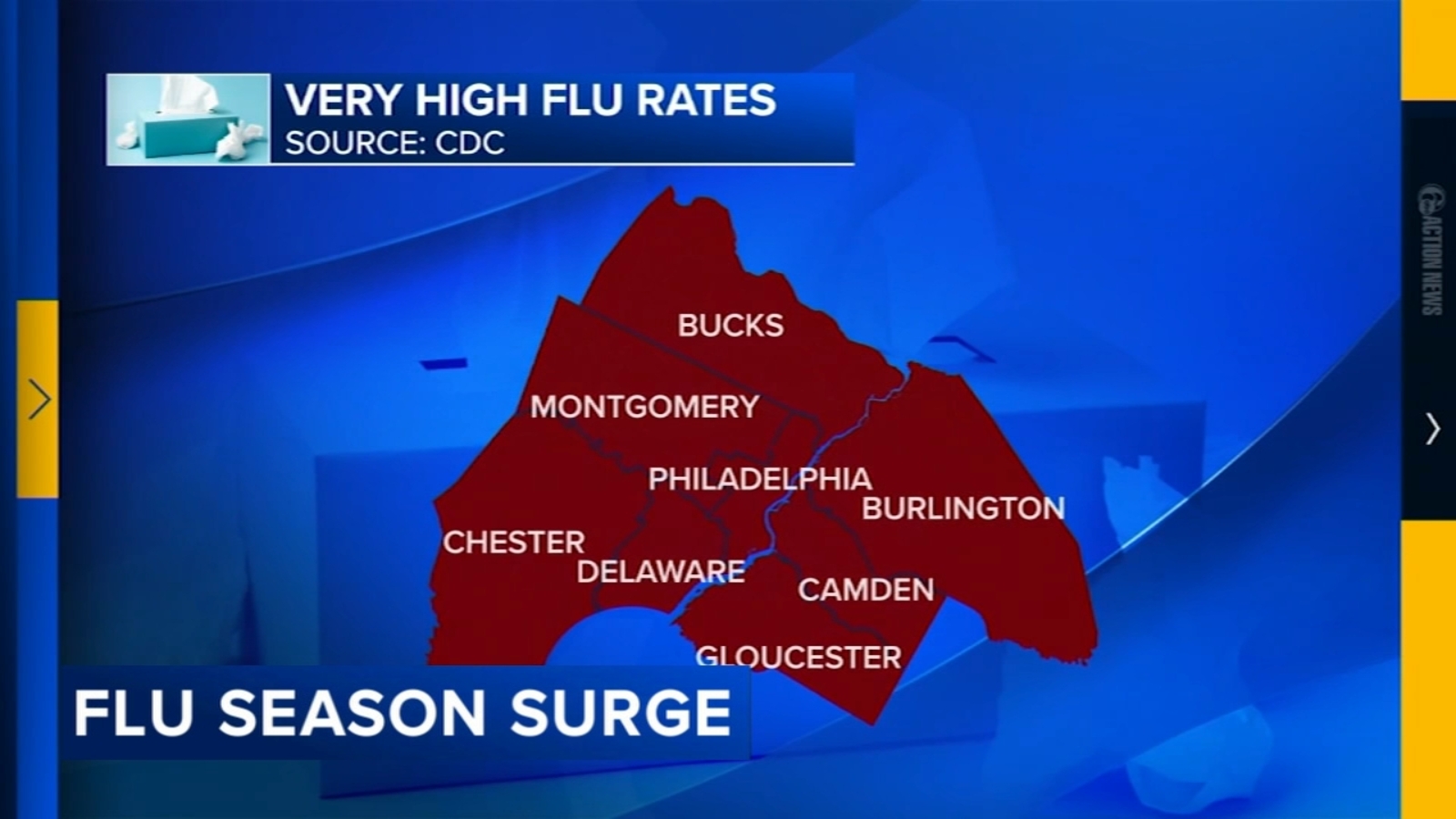
The Philadelphia area is currently facing one of the most severe flu outbreaks in decades, with the latest data from the Centers for Disease Control and Prevention (CDC) showing the highest influenza activity recorded since the 1997-1998 season. Across the region, hospitals and clinics are reporting a sharp surge in influenza A cases, and public health officials are urging residents to take preventive measures seriously before the situation worsens.
Understanding the Current Flu Outbreak in Philadelphia
According to the most recent CDC data, the Philadelphia region is currently classified as experiencing “very high” flu rates,a designation shared by 35 states across the country. This widespread influenza surge has placed significant strain on local healthcare systems, particularly hospitals where emergency departments and intensive care units are seeing a steady influx of patients battling respiratory illness.
Dr. David Manoff, the chief of pulmonary and critical care at Temple Jeanes Campus, has been on the front lines of this public health challenge. He noted that medical facilities are seeing more flu cases now than at any point in recent memory. “We’re seeing more flu cases and more flu cases coming into the hospital than we have in the last several years,” Dr. Manoff explained in a recent interview, underscoring the urgency of the situation.
Why This Flu Season Stands Out
To put the current flu outbreak into proper perspective, it helps to look back at how unusual this season truly is. The 1997-1998 flu season was particularly devastating, resulting in widespread illness and a notable number of hospitalizations across the country. The fact that current rates have now surpassed that benchmark is a sobering reminder of just how aggressive this year’s dominant strain,primarily influenza A,has been.
Several factors may be contributing to the severity of this season. Reduced population immunity, lower-than-ideal vaccination rates, and the natural cyclical behavior of influenza viruses all play significant roles. Additionally, the easing of pandemic-era precautions such as masking and social distancing has allowed respiratory illnesses to circulate more freely among the general population.
The Eagles Parade and Public Health Concerns
Just last Friday, tens of thousands of Philadelphia Eagles fans gathered to celebrate the team’s success, creating one of the largest public assemblies the city has seen in recent memory. While outdoor gatherings generally pose less risk than enclosed spaces, the sheer size of the crowd raised legitimate concerns among healthcare professionals worried about accelerated virus transmission.
“When you’re in a big crowd, obviously it’s better to be outside in the open-air than it is to be in a close space, but definitely a big party or a big crowd like that,” Dr. Manoff noted. “It wouldn’t surprise me if we’re seeing some sort of spike.” His comments highlight the delicate balance between enjoying community events and protecting public health during a particularly active flu season.
How the Flu Spreads in Crowded Settings
The influenza virus is highly contagious and spreads primarily through respiratory droplets released when an infected person coughs, sneezes, or even speaks. In large gatherings like parades, sporting events, and concerts, several factors accelerate transmission and contribute to the spread of this contagious illness:
- Close personal contact between attendees, especially in densely packed areas where physical distancing becomes impossible
- Shared surfaces such as handrails, public transportation poles, and food vendor counters
- Reduced airflow even in outdoor settings when crowds are tightly packed together
- Asymptomatic spread, where individuals who feel perfectly healthy can still transmit the virus to others
Recognizing Flu Symptoms
One of the biggest challenges with managing a flu outbreak is that symptoms can vary widely from person to person. Some individuals experience only mild discomfort, while others develop severe complications that require hospitalization. Being able to recognize common flu symptoms early can make a meaningful difference in recovery time and help prevent further spread to vulnerable family members.
Common symptoms associated with influenza A include:
- Fever or feeling feverish with chills
- Persistent headache
- Runny or stuffy nose
- Nausea and digestive discomfort
- Overwhelming fatigue and body aches
- Loss of appetite
- Sore throat and persistent cough
- Muscle pain throughout the body
Symptoms typically appear suddenly, one to four days after exposure to the virus. Because the flu shares several symptoms with the common cold and COVID-19, testing is often recommended to confirm a diagnosis and guide appropriate treatment decisions.
Treatment Options for Influenza A
While the flu can be formidable, it is treatable. The most commonly prescribed antiviral medication is Tamiflu (oseltamivir), which works by slowing the spread of the virus within the body. According to Dr. Manoff, “There is treatment, which is Tamiflu. It isn’t a cure-all, but it can shorten the time that people are feeling unwell.”
For antiviral medications to be most effective, they should ideally be started within 48 hours of symptom onset. However, even when started later, these medications may still offer meaningful benefits for high-risk patients, including young children, elderly individuals, pregnant women, and those with underlying chronic health conditions.
Supportive Care at Home
Beyond prescription medications, several at-home strategies can help manage symptoms and promote a faster recovery from influenza:
- Rest as much as possible to allow your immune system the energy it needs to fight the virus
- Stay hydrated with water, herbal teas, and clear broths to prevent dehydration
- Use over-the-counter medications like acetaminophen or ibuprofen to reduce fever and ease body aches
- Use a humidifier to ease congestion and soothe irritated airways during sleep
- Isolate yourself from family members whenever possible to prevent spreading the infection
The Role of Vaccination in Flu Prevention
Getting an annual flu vaccine remains the single most effective way to protect yourself and your community from influenza. While it takes approximately two weeks for the vaccine to reach full effectiveness, getting vaccinated now can still provide meaningful protection for the remainder of the season and may reduce symptom severity if you do become infected.
The current flu outbreak serves as a powerful reminder that vaccination isn’t just about personal protection,it’s fundamentally about community health. When more people are vaccinated, the virus has fewer opportunities to spread, which helps protect vulnerable populations who may not respond well to vaccines themselves.
Who Should Get a Flu Shot?
The CDC recommends annual flu vaccination for everyone six months of age and older, with only rare exceptions. Vaccination is especially critical for the following groups:
- Adults over the age of 65
- Young children, particularly those under five years old
- Pregnant women and women who have recently given birth
- People with chronic health conditions like asthma, diabetes, or heart disease
- Healthcare workers, first responders, and family caregivers
Practical Flu Prevention Tips
Beyond vaccination, several everyday habits can dramatically reduce your risk of catching or spreading influenza during an active outbreak. Frequent handwashing with soap and warm water for at least 20 seconds remains one of the most effective ways to kill viruses. When soap isn’t available, alcohol-based hand sanitizers provide a convenient alternative.
Avoid touching your face, especially your eyes, nose, and mouth, as these are common entry points for the virus. If you do feel symptoms coming on, stay home from work or school to avoid infecting others. Covering coughs and sneezes with a tissue or the inside of your elbow also helps contain respiratory droplets.
When to Seek Medical Attention
While most healthy individuals recover from the flu within a week or two, certain warning signs require immediate medical care. Adults should seek emergency attention if they experience difficulty breathing, persistent chest pain, sudden dizziness, severe vomiting, or confusion. Children require urgent care if they show signs of dehydration, labored breathing, bluish skin color, or extreme irritability that doesn’t improve.
Conclusion
The current flu outbreak sweeping through Philadelphia and beyond represents a serious public health concern that demands community-wide attention and action. With influenza rates reaching their highest levels in nearly three decades, residents are strongly encouraged to take proactive steps to protect themselves and their loved ones. Get vaccinated if you haven’t already done so, practice good hand hygiene consistently, stay home when you’re feeling unwell, and seek medical care promptly if symptoms become severe. By working together and following the guidance of experienced healthcare professionals like Dr. Manoff and the CDC, the Philadelphia region can navigate this challenging flu season safely and emerge healthier on the other side.