
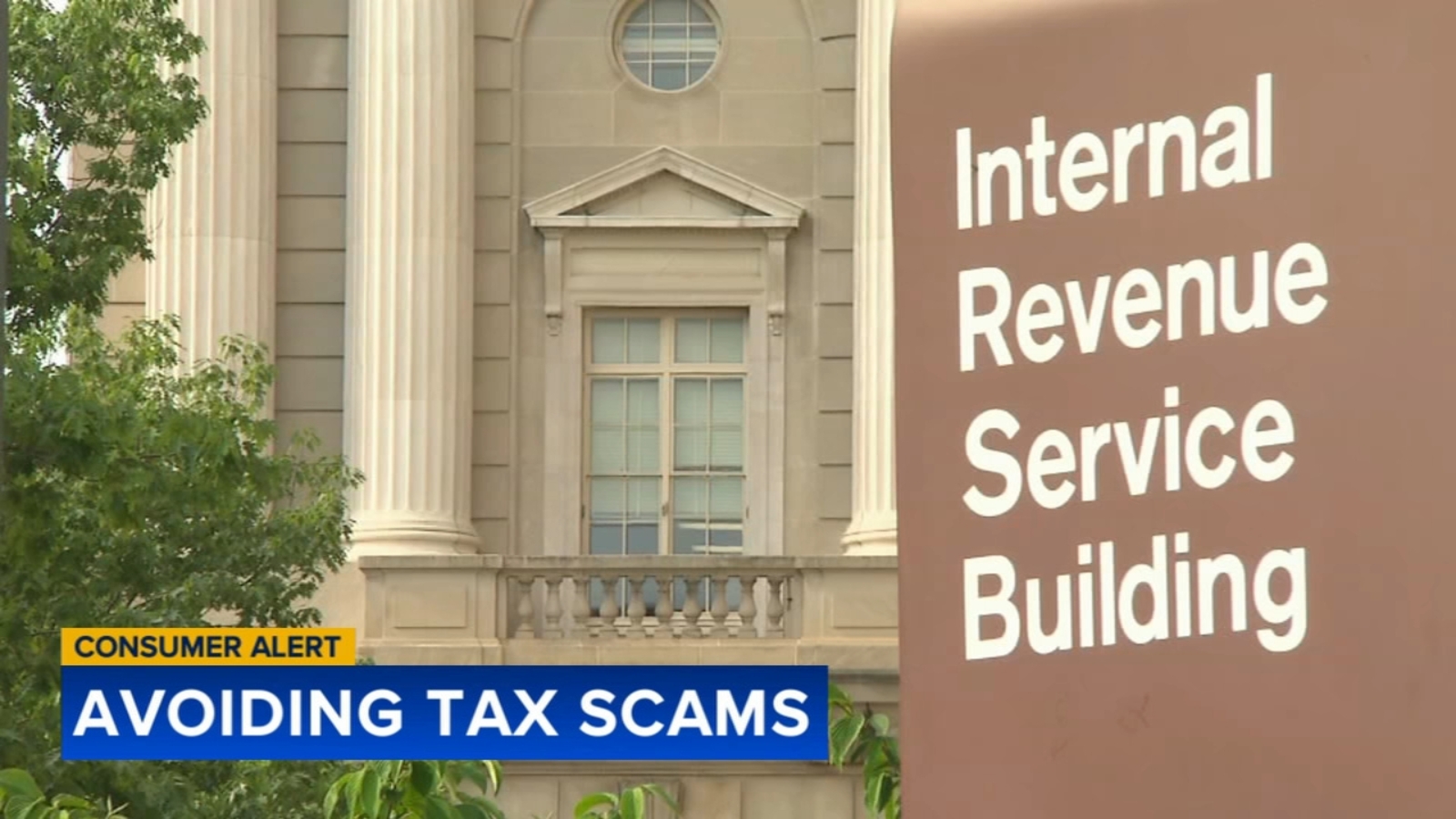
Tax scams have reached unprecedented levels, with Americans losing a staggering $5.5 billion dollars to tax-related fraud in 2023 alone. This year, cybersecurity experts are reporting an alarming 77% increase in tax-related phishing attempts compared to previous filing seasons, making it more important than ever for taxpayers to stay vigilant and informed.
The surge in tax scams can be largely attributed to advances in technology, particularly the rise of generative AI. According to Karin Zilberstein of Guardio, “With the rise of generative AI, it’s almost impossible to detect such scams and phishing attempts.” Fraudsters can now create convincing fake websites, craft realistic impersonation emails, and even clone official IRS communications with alarming accuracy. This makes spotting tax scams more challenging than ever for the average taxpayer.
The Recovery Rebate Credit Scam: A New Threat
One of the most prevalent tax scams currently circulating involves the recovery rebate credit, also known as an economic impact payment. Scammers are impersonating IRS officials and contacting taxpayers through various channels, claiming that the recipient must provide personal information to receive their payment.
Charlie Moore, a digital safety advisor at Aura, explains that these scammers “reach out to consumers in a variety of ways, usually from text to email to phone calls.” They may claim that action is required on the taxpayer’s part, creating a false sense of urgency designed to trick people into sharing sensitive financial information.
Here’s the truth: eligible taxpayers who didn’t claim the recovery rebate credit on their 2021 tax returns do not need to take any action. The money will be automatically direct deposited or sent via paper check by the end of the month. Any communication claiming otherwise is a scam.
Beyond Rebate Scams: Other Tax Fraud Schemes to Watch For
While recovery rebate credit fraud is making headlines, scammers are employing multiple tactics to steal taxpayer information. Understanding these schemes is the first step in protecting yourself.
Fake Tax Preparers
One increasingly common scheme involves scammers impersonating legitimate tax preparers or even setting up entirely fake filing websites. These fraudulent operations exist solely to harvest your personal information, which criminals then use to commit various forms of identity theft,including filing a fraudulent tax return in your name before you have a chance to file yours.
Phishing Emails and Text Messages
Tax-related phishing attempts have exploded this season, with messages designed to look like official IRS correspondence. These communications often include links to counterfeit websites that mimic the IRS’s official page, tricking victims into entering their Social Security numbers, banking information, or other sensitive data.
Phone Call Impersonation
Scammers frequently pose as IRS agents over the phone, threatening legal action, arrest, or license revocation if the victim doesn’t immediately pay a fictitious tax debt. Remember: the IRS will never initiate contact with you by phone to demand immediate payment.
How to Protect Yourself from Tax Scams
Falling victim to a tax scam can have devastating consequences, from financial loss to years of identity theft recovery. Fortunately, there are concrete steps you can take to significantly reduce your risk.
1. File Your Taxes Early
One of the most effective defenses against tax fraud is simply filing your return as early as possible. Once your legitimate return is on file with the IRS, scammers cannot file a fraudulent return using your Social Security number. The earlier you file, the smaller the window of opportunity for identity thieves.
2. Never Respond to Unsolicited Communications
If you receive an unexpected email, text message, or phone call claiming to be from the IRS or a tax authority, do not engage. Do not click links, do not download attachments, and do not call back any numbers provided in the message. Instead, independently verify by visiting the official IRS website directly.
3. Verify Any Tax Professional
Before hiring anyone to prepare your taxes, take the time to verify their credentials. Any legitimate tax preparer must have a Preparer Tax Identification Number (PTIN) issued by the IRS.
“They should be able to provide that to you very rapidly,” says Moore. “It’s issued by the IRS and issued to the name of their company.” A reputable professional will have no hesitation in sharing this information.
4. Use Only Authorized E-Filing Providers
The IRS maintains a directory of authorized e-filing providers on its official website. Always cross-reference any tax preparation service with this directory before sharing your information. This simple step can protect you from fake filing websites designed to steal your data.
Red Flags That Signal a Tax Scam
Learning to identify warning signs can help you avoid becoming a victim. Keep an eye out for these common indicators of tax scams:
- Unsolicited contact: The IRS will never initiate contact with you via text message, email, or phone asking for sensitive financial information.
- Suspicious domain names: Federal government websites always end in “.gov.” Any address ending in “.com,” “.net,” or “.org” claiming to be the IRS is fraudulent.
- Demands for immediate payment: The IRS will never demand immediate payment through wire transfers, gift cards, or cryptocurrency.
- Threats of arrest or legal action: Scammers often use intimidation to pressure victims into complying. The IRS follows established procedures and will never threaten you over the phone.
- Requests for unusual payment methods: If someone demands payment via gift cards, wire transfers, or cryptocurrency, it’s almost certainly a scam.
- Pressure to act quickly: Fraudsters create artificial urgency to prevent you from thinking through the situation or verifying their claims.
What to Do If You’ve Been Targeted
If you receive a suspicious message claiming to be from the IRS, take the following steps immediately:
- Do not respond or click any links. Engaging with scammers confirms your contact information is active, potentially resulting in more attempts.
- Do not provide any personal information. This includes your Social Security number, bank account details, credit card numbers, or any other sensitive data.
- Report the message to the appropriate authorities. Forward suspicious emails to phishing@irs.gov and report scam phone calls to the Treasury Inspector General for Tax Administration.
- Report identity theft to the IRS. If you believe your information has been compromised, contact the IRS Identity Protection Specialized Unit immediately.
- Monitor your financial accounts. Keep close tabs on your bank statements, credit reports, and tax records for any signs of fraudulent activity.
- Consider placing a fraud alert on your credit file. This adds an extra layer of protection against identity thieves attempting to open accounts in your name.
The Role of AI in Modern Tax Scams
It’s impossible to discuss contemporary tax scams without addressing the role of artificial intelligence. Generative AI has dramatically lowered the barrier to entry for would-be fraudsters, allowing them to create polished websites, write convincing phishing emails, and even generate voice clones for phone-based impersonation schemes.
This technological shift means that traditional methods of identifying scams,such as spotting spelling errors or grammatical mistakes,are no longer reliable. Scam communications now look and sound professional, mimicking official correspondence with frightening precision. This reality makes verification more important than ever, and taxpayers should approach any unsolicited tax-related communication with healthy skepticism.
Building a Defense Strategy for This Tax Season
Protecting yourself from tax scams requires a multi-layered approach combining vigilance, verification, and proactive measures. Start by filing early, use only verified tax professionals with legitimate PTINs, and stick to authorized e-filing providers found on the official IRS website. Treat all unsolicited communications with skepticism, and remember that the IRS will never initiate contact demanding immediate payment or sensitive information.
By staying informed about the latest scam tactics and following the protection guidelines outlined above, you can significantly reduce your risk of falling victim to tax fraud this filing season and beyond. The small investment of time required to verify communications and professionals can save you from the financial and emotional turmoil of identity theft.
Stay alert, stay skeptical, and remember: when in doubt, go directly to IRS.gov or call the official IRS hotline. Your financial security depends on making informed decisions and never letting urgency override caution.