
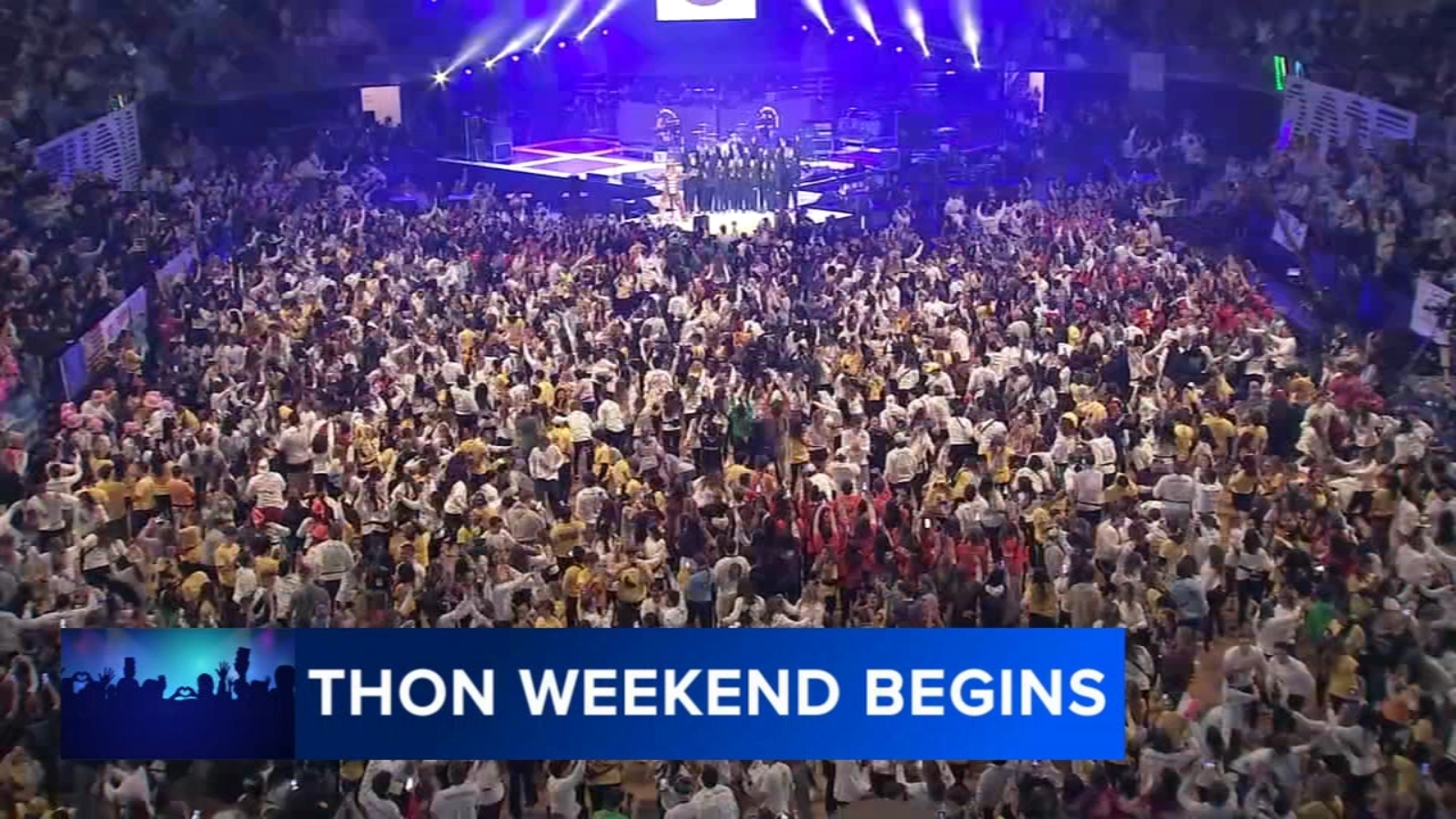
The THON dance marathon is one of the most inspiring and powerful student-run philanthropic events in the world, held annually at Penn State University. Every year, hundreds of dedicated students gather in Happy Valley for an incredible 46-hour no-sitting, no-sleeping dance marathon that raises millions of dollars for pediatric cancer research and family support. This year marks the 53rd annual event, a tradition that has grown from humble beginnings into a powerhouse of charity, community, and hope.
Coffee flows freely, energy drinks fuel exhausted dancers, and the Bryce Jordan Center transforms into a vibrant hub of music, laughter, and tears as participants push their physical and emotional limits for a cause far greater than themselves. The event is more than just a marathon; it’s a movement that has touched countless lives and changed the landscape of childhood cancer fundraising forever.
The History and Mission Behind THON
Penn State’s dance marathon traces its roots back more than five decades. What began as a small student initiative has blossomed into the largest student-run philanthropy in the world. The mission has always remained crystal clear: providing financial support, emotional encouragement, and hope to families affected by pediatric cancer.
All proceeds from the event benefit Four Diamonds, a charity that directly supports families receiving treatment at Penn State Health Children’s Hospital. Four Diamonds covers medical bills, travel expenses, and other costs that can overwhelm families already fighting the battle of their lives. Since its founding, the organization has helped thousands of children and their families navigate the unimaginable challenges of a cancer diagnosis.
The 46-Hour Challenge: What It Really Means
Imagine standing on your feet for nearly two full days. No chairs. No naps. No rest. That’s exactly what THON dancers commit to when they sign up for the marathon. But the physical endurance is only part of the story.
The Physical Toll
- 46 consecutive hours of standing and dancing
- Constant movement to keep blood circulating and energy up
- Limited breaks for essential needs like food and restroom
- Survival on snacks, caffeine, and sheer determination
The Emotional Journey
While the physical challenge is real, many participants say the emotional experience is what truly defines THON. Dancers form deep connections with the families they are supporting, learning the stories of children who have battled or are currently battling cancer. These personal connections transform the event from a simple fundraiser into a deeply meaningful experience.
“They’ve gone through so much at such a young age,” shared one participant from Huntingdon Valley, Pennsylvania. “It’s amazing to see them so happy and getting the support they deserve.” This sentiment echoes throughout the Bryce Jordan Center as dancers and families come together as one community.
Stories of Hope and Determination
One of the most touching aspects of the Penn State dance marathon is the personal stories that emerge from the event. Take, for example, a senior from Moorestown, New Jersey, who participated in her final THON before graduating. She danced not only as part of her special interest organization but also in honor of two family members affected by cancer, their names written on her back as a constant reminder of why she endured 46 hours on her feet.
She explained, “It’s given me a chance to really appreciate my own life, and then be able to give back to those who may not have it as good as me and who are fighting very real battles.” Her words capture the essence of what drives hundreds of students to participate year after year.
Another dancer from Haddonfield, New Jersey, offered a perspective that resonates with many participants: “Yeah, you’re standing for 46 hours, but there’s also kids running around the Bryce Jordan Center that have been through a lot harder than you have. It’s all about perspective, honestly.” This mindset, the recognition that their temporary discomfort pales in comparison to what these children endure, fuels dancers through the toughest hours of the marathon.
The Impact: Millions Raised for a Critical Cause
The financial impact of the THON dance marathon is nothing short of staggering. Last year alone, participants presented a check for $17 million to Four Diamonds at Penn State Health Children’s Hospital. This figure represents countless hours of fundraising, donor outreach, and community engagement that took place in the months leading up to the event.
Where the Money Goes
- Medical expenses: Covering the cost of treatments, surgeries, and medications for children with cancer
- Family support: Helping with travel, lodging, and daily living expenses during treatment
- Research initiatives: Funding groundbreaking studies to improve outcomes and find cures
- Psychological services: Providing counseling and mental health support for patients and families
- Survivorship programs: Supporting children who have completed treatment and need continued care
THON Weekend: A Community Celebration
The THON weekend experience extends far beyond the dancers on the floor. The Bryce Jordan Center becomes a city unto itself, with students, families, alumni, and community members all coming together to celebrate and support the cause. Special performances, family speakers, and emotional moments punctuate the 46 hours, creating memories that last a lifetime.
The Role of Special Interest Organizations
THON operates through a network of special interest organizations, Greek life chapters, and independent dancer pairs. Each group adopts a Four Diamonds family and spends months fundraising in advance. These organizations take pride in their total contributions, and friendly competition drives many of them to push their fundraising efforts to new heights.
Family Participation
The presence of the Four Diamonds families at THON is what makes the event so uniquely powerful. Children who are in remission, currently undergoing treatment, or who have sadly lost their battle are honored throughout the weekend. Their stories are shared, their courage is celebrated, and their presence reminds everyone in the room exactly why this event matters so much.
Why Student Philanthropy Matters
The Penn State THON model demonstrates the incredible power of student-led philanthropy. College students, often criticized for being self-absorbed or disengaged, prove year after year that they are capable of extraordinary generosity and commitment when given a meaningful cause to support.
This kind of grassroots organizing has ripple effects that extend well beyond the immediate fundraising goals. Students who participate in THON often go on to become lifelong advocates for pediatric cancer awareness, continuing their support long after they’ve graduated. The leadership skills, empathy, and sense of community they develop during the event shape them into more engaged citizens and professionals.
The Broader Childhood Cancer Landscape
While THON specifically supports families at Penn State Health Children’s Hospital, the event also raises awareness about pediatric cancer on a national scale. Childhood cancer remains the leading cause of death by disease for children in the United States, with approximately 15,000 children diagnosed each year. Despite these sobering statistics, federal funding for pediatric cancer research remains disproportionately low compared to other diseases.
Events like THON help fill critical funding gaps and keep the conversation about childhood cancer at the forefront. They demonstrate that communities can come together to make a tangible difference, and they inspire other universities and organizations to launch their own similar initiatives.
Looking Forward: The Future of THON
As the THON dance marathon enters its sixth decade, the event shows no signs of slowing down. Each year brings new records, new stories, and new generations of students ready to take up the mantle. Technology has changed how donations are collected, social media has amplified the event’s reach, and the logistics have evolved, but the core mission remains unchanged.
Future participants can look forward to continued growth in fundraising totals, expanded support for families, and ongoing contributions to research that brings us closer to a world where no child has to fight cancer. The legacy of THON is not just in the millions of dollars raised but in the countless lives touched and transformed by the experience.
How You Can Get Involved
Even if you’re not a Penn State student, there are numerous ways to support the cause:
- Donate directly to THON through their official fundraising channels
- Support Four Diamonds independently through their website
- Volunteer your time or skills to support families affected by childhood cancer in your own community
- Spread awareness about pediatric cancer and the need for increased research funding
- Participate in local events that mirror the THON model in your area
Conclusion
The THON dance marathon represents the very best of what collective action can achieve. In 46 hours, hundreds of students push themselves to their physical and emotional limits, raising millions of dollars for families facing the unimaginable challenge of childhood cancer. The event embodies hope, resilience, and the power of community in the face of adversity. As this beloved tradition continues into its sixth decade, it stands as a powerful reminder that one event, one community, and one mission can change thousands of lives for the better.
Whether you’re a Penn State student, an alumni, a parent, or simply someone who believes in the cause, THON offers a powerful example of how dedication, compassion, and a willingness to stand,literally,for 46 hours can create a lasting impact that extends far beyond the Bryce Jordan Center. The children and families at the heart of this event inspire everyone involved to keep dancing, keep hoping, and keep fighting until the day when no family has to hear the words “your child has cancer.”