
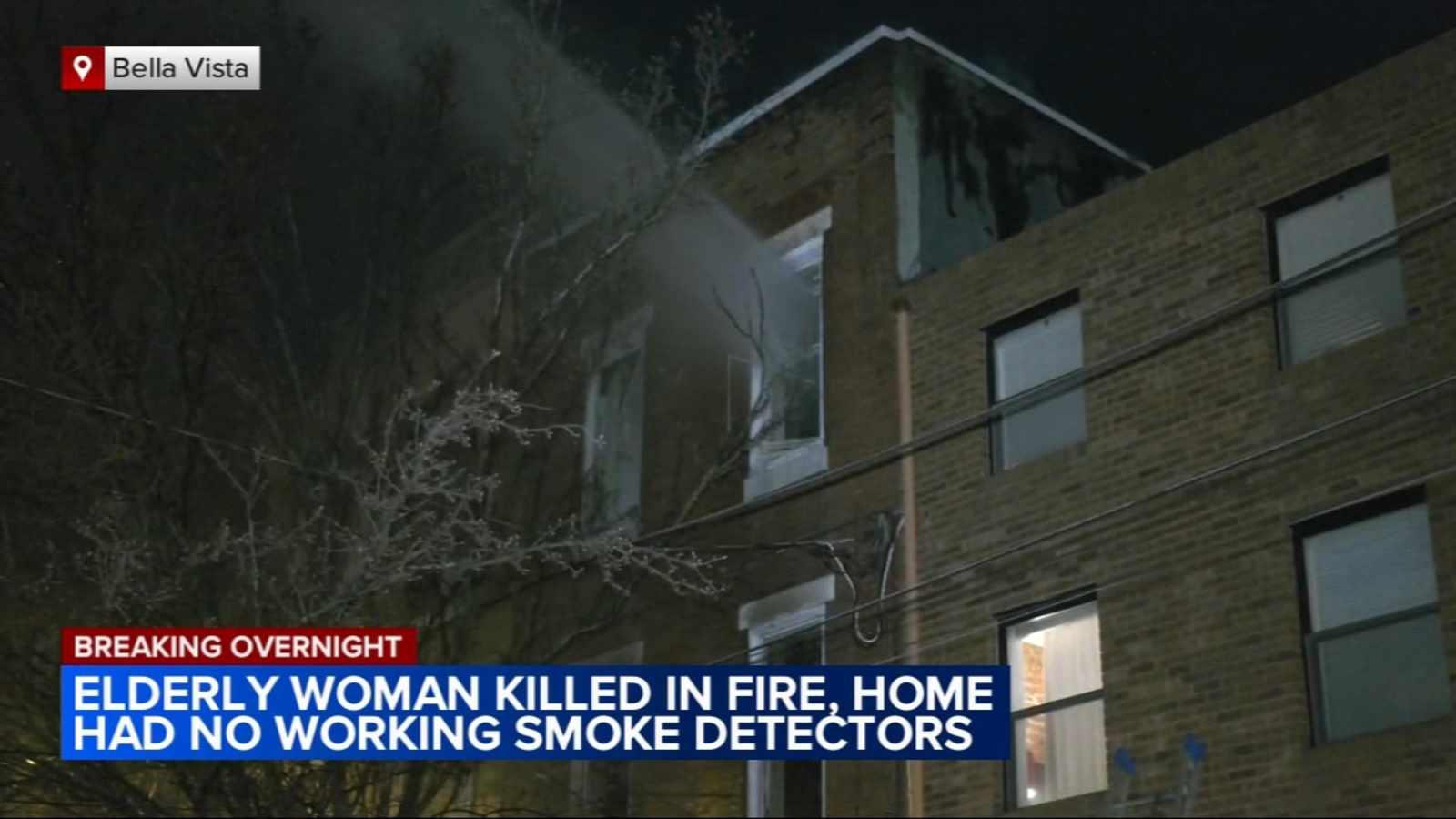
Tragedy struck Philadelphia’s Bella Vista neighborhood when a fatal house fire claimed the life of a 78-year-old woman on the 600 block of Kimball Street. Firefighters arrived to find the home engulfed in flames and, after extinguishing the blaze, discovered the woman’s body inside. In a heartbreaking revelation that has since underscored the urgency of home fire safety, officials confirmed that the residence had no working smoke detectors. As the Philadelphia Police and fire investigators work to determine the cause of the fire, this devastating incident serves as a sobering reminder of how preventable many fire-related deaths truly are.
The Bella Vista Tragedy: What We Know
The fatal house fire occurred in the heart of one of Philadelphia’s most beloved residential neighborhoods. When emergency crews reached the scene on Kimball Street, they encountered a home fully consumed by flames , a situation that left little opportunity for rescue. Despite the rapid response from the Philadelphia Fire Department, the elderly victim could not be saved.
Investigators confirmed that the home did not have functional smoke detectors, a detail that has drawn significant attention from fire safety advocates and community leaders. The absence of these early warning devices likely played a critical role in the outcome, as smoke detectors provide the precious minutes residents need to escape safely.
The cause of the fire remains under active investigation, and authorities have not yet released additional details about how the blaze started or whether any contributing factors have been identified.
The Critical Role of Working Smoke Detectors
Smoke detectors are often called the silent guardians of the home, and for good reason. According to the National Fire Protection Association (NFPA), working smoke alarms cut the risk of dying in a house fire in half. Yet, despite decades of public awareness campaigns, a significant percentage of residential fires still occur in homes without functional alarms.
Why Smoke Detectors Fail
There are several common reasons why smoke detectors may not function when needed most:
- Missing batteries: Many households disable alarms after repeated false activations from cooking, then forget to re-enable them.
- Expired units: Smoke detectors have a lifespan of approximately 10 years. Older units may fail to detect smoke reliably.
- Improper installation: Detectors placed too far from sleeping areas, near windows, or in dead air spaces may not provide adequate coverage.
- Neglected maintenance: Dust, insects, and debris can interfere with sensor function over time.
- Power supply issues: Hardwired alarms can lose backup battery power, rendering them useless during electrical failures.
The Lifesaving Impact of Functional Alarms
When a smoke detector sounds, it provides the average family with two to three minutes to escape , a narrow window that makes the difference between life and death. In the case of this fatal house fire in Philadelphia, the absence of a working alarm meant the victim had no warning at all.
Modern interconnected smoke alarm systems offer even greater protection. When one detector senses smoke, all alarms throughout the home sound simultaneously, ensuring that residents in every room , including those who are sleeping , receive immediate notification.
Fire Safety for Elderly Residents
The victim in this Bella Vista tragedy was 78 years old, a detail that highlights a particularly vulnerable demographic when it comes to home fire safety. Older adults face heightened risks during house fires for several reasons:
- Reduced mobility: Aging can slow reaction times and make it more difficult to evacuate quickly.
- Sensory limitations: Hearing and vision impairments may prevent seniors from noticing fire hazards or responding to danger.
- Medications and medical conditions: Certain medications can cause drowsiness or impair judgment, while medical conditions may complicate evacuation.
- Living alone: Many seniors live independently without someone nearby to notice a fire in its early stages.
- Limited financial resources: Fixed incomes may make it difficult to afford proper safety equipment or home maintenance.
For elderly residents, additional safety measures can be lifesaving. Bedside flashlights, escape ladders for second-story bedrooms, medical alert systems, and home monitoring devices all provide layers of protection that go beyond basic smoke detectors.
Essential Home Fire Safety Tips
This fatal house fire underscores the importance of taking proactive steps to protect yourself and your loved ones. Here are critical fire safety practices every household should follow:
Smoke Detector Maintenance
- Install smoke detectors on every level of your home, inside bedrooms, and outside sleeping areas.
- Test alarms monthly by pressing the test button.
- Replace batteries at least once a year, or immediately when the low-battery chirp sounds.
- Replace the entire smoke detector unit every 10 years.
- Consider upgrading to combination smoke and carbon monoxide detectors.
Creating an Escape Plan
- Develop a home fire escape plan with two ways out of every room.
- Practice the plan with all household members at least twice a year.
- Designate a meeting place outside the home.
- Ensure all windows and doors used for escape open easily.
- Teach everyone , including children , how to crawl low under smoke and check doors for heat before opening.
Fire Prevention Practices
- Never leave cooking food unattended on the stove.
- Keep flammable items at least three feet from heating sources.
- Avoid overloading electrical outlets and extension cords.
- Have chimneys and heating equipment inspected annually.
- Extinguish cigarettes completely and never smoke in bed.
- Store matches and lighters out of reach of children.
Philadelphia’s Fire Safety Resources
The Philadelphia Fire Department offers several programs aimed at preventing fatal house fires and protecting vulnerable residents. The Risk Watch and Smoke Alarm Installation programs work to equip homes across the city with functional detectors, particularly in neighborhoods identified as high-risk.
Residents can request free smoke alarm installations through the Philadelphia Fire Department’s community outreach programs. Volunteers and firefighters visit homes to assess fire risks, install alarms, and educate families about fire prevention tips and emergency planning.
For those who may be elderly, disabled, or have limited mobility, the Philadelphia Fire Department’s Home Fire Safety Visit program provides personalized assessments and customized safety recommendations. These services are offered at no cost and have saved countless lives throughout the city.
Understanding the Investigation Process
When a fatal house fire occurs, fire investigators work methodically to determine the cause and origin. This process typically involves:
- Examining the burn patterns and structural damage
- Interviewing witnesses and neighbors
- Reviewing evidence collected from the scene
- Consulting with electrical and engineering experts
- Testing appliances, wiring, and other potential ignition sources
In cases where negligence or code violations are suspected, findings may inform civil or criminal proceedings. The Philadelphia Police Department’s involvement in this investigation suggests that all possibilities are being thoroughly examined.
A Community Mourns
The loss of an elderly neighbor in a preventable tragedy reverberates through any community. Bella Vista, known for its tight-knit residents, charming streets, and family-friendly atmosphere, is now grappling with the reality that a life was lost in a fire that proper safety measures might have prevented.
Neighbors and community leaders have an opportunity to channel their grief into action. By sharing fire safety information, checking on elderly residents, and ensuring that homes throughout the neighborhood have working smoke detectors, the Bella Vista community can honor the memory of the woman who died by preventing future tragedies.
How You Can Help Prevent the Next Fatal House Fire
Every year, thousands of Americans lose their lives in residential fires , deaths that, in many cases, could have been prevented with basic safety measures. Consider these steps today:
- Check your smoke detectors , right now, before you finish reading this article.
- Talk to your neighbors, especially elderly ones, about fire safety.
- Donate to local fire departments or fire safety nonprofits that provide free detectors to families in need.
- Volunteer with community fire safety programs in Philadelphia.
- Share fire safety information on social media to spread awareness.
Conclusion
The fatal house fire in Bella Vista is a heartbreaking reminder of what is at stake when homes lack basic fire safety equipment. A working smoke detector is a small investment that can mean the difference between a close call and an unimaginable loss. As investigators work to uncover the cause of the Kimball Street fire, let us all commit to making our homes safer , not only for ourselves, but for the neighbors, family members, and loved ones who depend on us to keep watch. Fire safety is not an individual responsibility; it is a community commitment. Together, we can prevent the next tragedy from unfolding.