
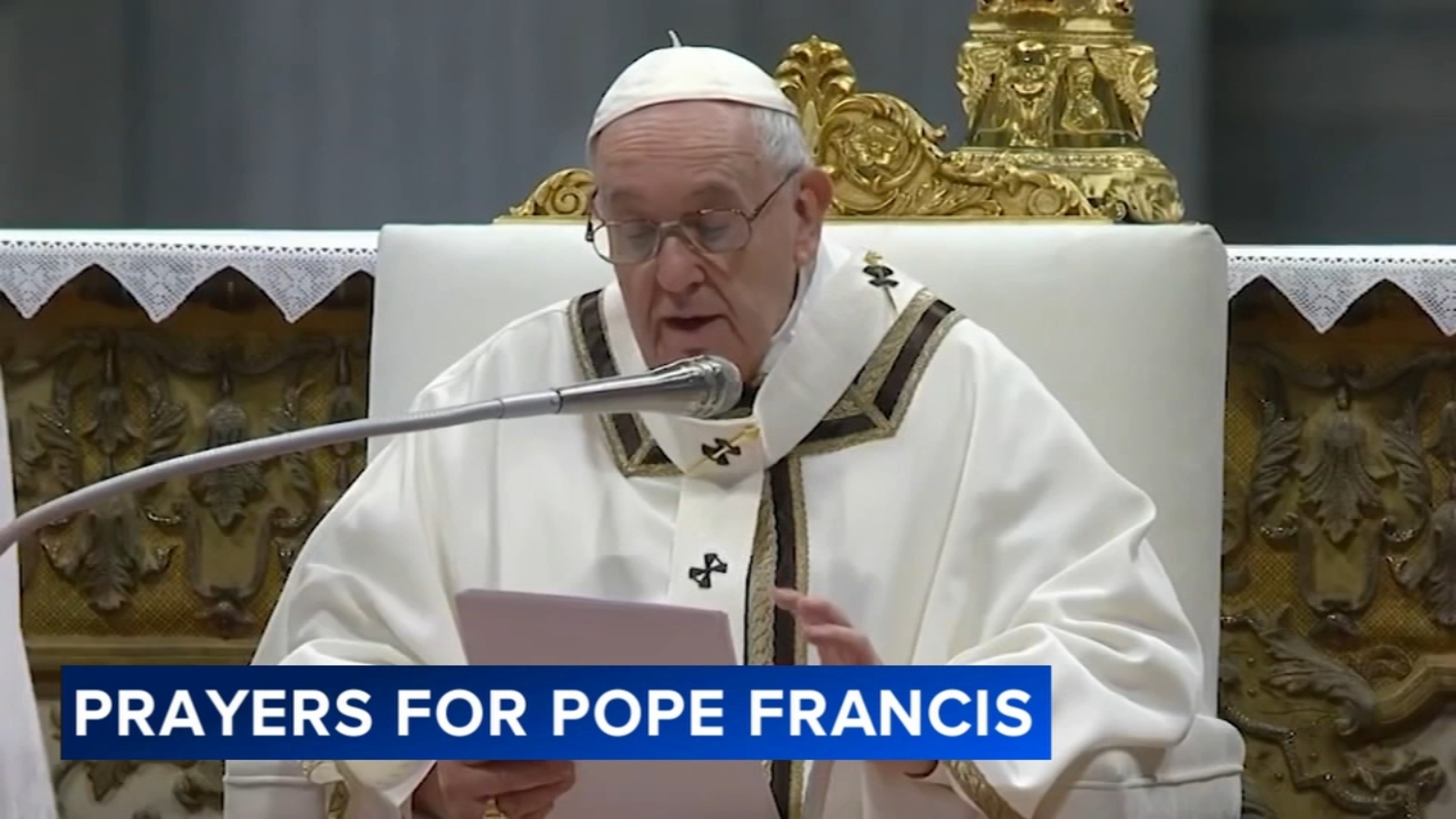
The world is holding its breath as concerns grow over Pope Francis health, with millions of Catholics and non-Catholics alike uniting in prayer for the 88-year-old pontiff. Currently in critical condition at a hospital in Rome, Pope Francis is battling a severe case of pneumonia that has triggered an asthmatic respiratory crisis. His hospitalization has sparked an extraordinary outpouring of solidarity across continents, reminding the global community of the spiritual significance he holds for more than a billion faithful worldwide.
The Current State of Pope Francis Health
Pope Francis was admitted to a Rome hospital where medical teams are providing intensive treatment to stabilize his condition. According to Vatican officials, the pontiff developed pneumonia that escalated into an asthmatic respiratory crisis, necessitating high-flow oxygen therapy and blood transfusions. These interventions underscore the seriousness of his situation and the medical complexity of treating an elderly patient with such a multifaceted health challenge.
A Sunday morning statement from the Vatican offered a cautiously reassuring note, confirming that Pope Francis remains conscious and alert despite his critical status. In his own written message, the Pope expressed gratitude toward his medical caregivers, noting that he is “receiving the necessary treatments.” He also made an unusual acknowledgment that “rest is also part of the therapy,” signaling his awareness of the importance of recovery and conservation of energy during this delicate period.
A Pontiff Who Has Never Shied Away from Challenges
Since assuming leadership of the Catholic Church in 2013, Pope Francis has been widely regarded as a transformative figure within the Vatican. Known for his humility, progressive stances on social issues, and emphasis on mercy over judgment, he has reshaped the public perception of the papacy in profound ways. His current health battle comes at a time when the Church faces numerous internal and external challenges, making his recovery all the more significant for the institution he leads.
The Pope’s medical team has not provided a definitive timeline for his recovery, which is consistent with the cautious approach Vatican communications typically take regarding the pontiff’s health. Such transparency has been a hallmark of Pope Francis’s tenure, marking a departure from the historically secretive nature of papal medical disclosures.
Global Reaction: A Wave of Prayer and Solidarity
From the cobblestone streets of Rome to the parishes of suburban Philadelphia, the news of Pope Francis’s critical illness has ignited an international movement of prayer and reflection. Religious leaders, laypeople, and public officials have all joined in expressing their concern and support during this uncertain time.
Philadelphia Parishioners Unite in Prayer
In the Delaware Valley region, hundreds of worshippers gathered at the Basilica of Saints Peter and Paul in Center City Philadelphia for Sunday morning mass. The atmosphere was marked by a palpable sense of worry mixed with unwavering faith. Parishioners like Stella Ristic of West Philadelphia expressed the sentiments shared by many in attendance.
“It was kind of shocking, everybody’s kind of worried for him,” Ristic said. “We pray for the Pope, we just hope that he is doing better.”
Father Dennis Gill, the Rector of the Basilica, addressed the congregation with a message centered on consolation, faith, and the power of collective prayer. He emphasized that one of the core beliefs within Catholic tradition is that prayers are not merely symbolic but genuinely effective in providing spiritual and even physical comfort to those who suffer.
“We have hope in the promises of Christ to us that he will provide for the Holy Father and provide for all of us, but what is most important is that we unite and pray together,” Father Gill shared with the gathered faithful.
Archbishop Nelson Perez’s Call for Unity
Archbishop Nelson Perez of the Archdiocese of Philadelphia also lent his voice to the chorus of prayers rising for the ailing pontiff. In a statement posted to social media, Archbishop Perez called upon Catholics throughout the region and beyond to join in earnest prayer for the Pope’s swift recovery.
“May God ease the suffering of Pope Francis and return him to health, so that he may continue his Petrine Ministry for the good of the Universal Church and our world,” the Archbishop’s statement read. This invocation highlighted not only concern for the Pope’s personal well-being but also the broader implications his leadership has for the future direction of the Catholic Church.
The Spiritual Significance of the Pope’s Role
Understanding why Pope Francis health has captured global attention requires recognizing the unique position the pontiff holds within the Catholic faith. As the spiritual leader of approximately 1.3 billion Catholics worldwide, the Pope serves as a symbol of continuity, faith, and moral guidance. His role transcends the political and reaches into the deeply personal lives of believers across every continent.
For many Catholics, the Pope is not merely a religious figurehead but a father figure,someone who shepherds the global flock through both triumphant and turbulent times. This emotional and spiritual connection was evident in the reactions of Philadelphia-area parishioners, who spoke about the Pope with genuine affection and concern.
Voices of the Faithful
Joe Geisler of University City articulated a sentiment widely shared among Catholics who may not always agree with every pronouncement from the Vatican but still view the Pope as a beloved spiritual leader.
“Obviously you’d hope this was a temporary thing, he’s our spiritual father; whether you like everything he says or not, he’s still a human being, still our brother. Yeah, just hoping and praying he gets better,” Geisler remarked.
Charles Glackin of Villanova echoed a similar sentiment, emphasizing the importance of collective prayer and hoping for the best possible outcome not just for the Pope but for the Church as a whole.
“I would hope we would all come together and simply offer the Pope our prayers. We would want to have a good outcome for the Pope, as well as a continued better view and good outcome for the church,” Glackin said.
What Comes Next for Pope Francis and the Vatican
As the Pope continues his battle for recovery, questions inevitably arise about the operational continuity of the Vatican and the broader implications for Catholic leadership. While there is no immediate discussion of succession, the pontiff’s hospitalization has reminded observers of the fragility of even the most revered institutions.
The Vatican has historically maintained a practice of daily medical updates during prolonged hospitalizations of popes, balancing transparency with the need to preserve the dignity of the office. This approach allows the global Catholic community to remain informed while avoiding speculation that could undermine the pontiff’s authority or the Church’s stability.
The Broader Impact of Papal Illness
A Pope’s health crisis reverberates far beyond the walls of any hospital. It affects diplomatic relationships, the scheduling of significant religious events, and the morale of Catholics worldwide. The current situation surrounding Pope Francis health has prompted many to reflect on his legacy and the future trajectory of the Church he has so profoundly shaped.
Religious commentators and Vatican analysts have noted that the Pope’s hospitalization comes during a particularly complex period for the Catholic Church, which continues to navigate evolving stances on social issues, declining attendance in some regions, and the ongoing dialogue between tradition and modernity.
A World United in Hope
The outpouring of concern for Pope Francis transcends religious affiliation, political boundaries, and cultural differences. From the parishes of Philadelphia to the grand cathedrals of Europe, from the missions of Africa to the bustling churches of Asia and the Americas, people of all backgrounds are joining in prayer for his recovery.
This collective response highlights something remarkable about the Pope’s influence: even in an era of increasing secularization and religious diversity, the leader of the Catholic Church remains a figure whose well-being touches hearts around the world. Whether one approaches this moment as a虔诚 Catholic, a person of another faith, or simply a fellow human being concerned for an elderly man fighting illness, the message is the same,hope, compassion, and solidarity.
Final Reflections on Faith and Resilience
Pope Francis himself has often spoken about the importance of resilience, humility, and trusting in something greater than oneself. His current health battle embodies these very principles. Even as he receives treatment, his acknowledgment that “rest is also part of the therapy” reflects a wisdom that resonates with anyone who has faced serious illness or cared for someone who has.
For the millions praying for his recovery, this moment is also an opportunity to reflect on the power of community, the strength that comes from shared hope, and the enduring bonds that connect humanity across every conceivable divide.
Conclusion
The concerns surrounding Pope Francis health have united the world in a way few events can. As the 88-year-old pontiff continues his courageous fight against pneumonia and its complications in a Rome hospital, the global Catholic community and countless others are lifting their voices in prayer. From Philadelphia to Patagonia, from Manila to Madrid, the message remains consistent: hope, faith, and an unwavering belief in the power of collective prayer. While the days ahead remain uncertain, the solidarity demonstrated in response to Pope Francis’s illness serves as a powerful reminder of the shared humanity that binds us all, regardless of creed or continent. As Father Gill aptly noted, what matters most during this challenging time is that “we unite and pray together”,a call to action that the world has answered with remarkable grace and unity.