
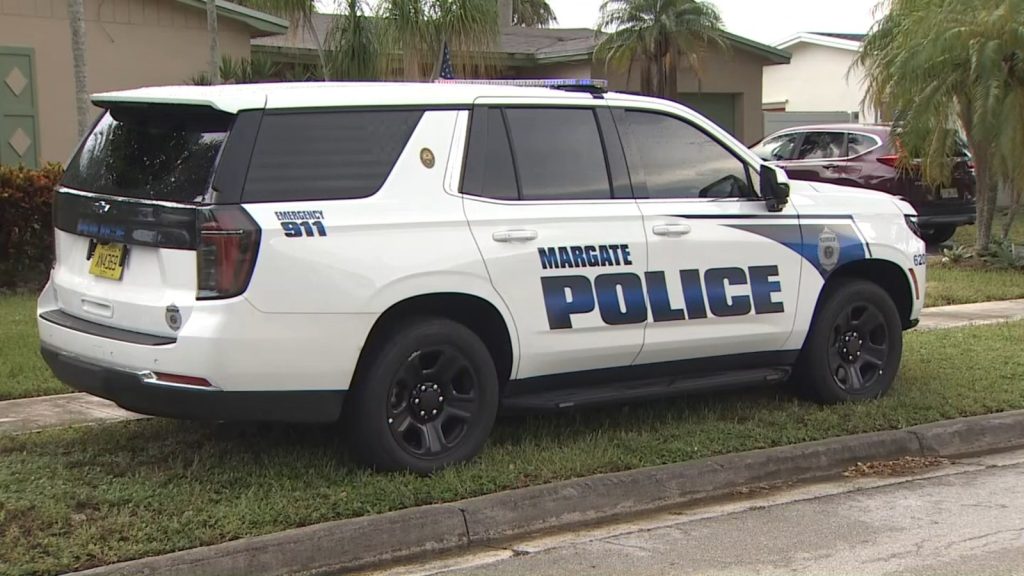
A devastating pair of lightning strike deaths has shaken a Florida community after a 31-year-old mother and her 2-year-old daughter were fatally injured Sunday afternoon in Margate, a city just north of Fort Lauderdale. The tragedy unfolded with startling speed, leaving witnesses, first responders, and neighbors grappling with an unimaginable loss that underscores how quickly a routine afternoon can turn catastrophic when severe weather strikes without warning.
The Tragic Incident in Margate
According to the Margate Police Department and Margate Fire Rescue, emergency crews were dispatched shortly after 2:30 p.m. following a 911 call reporting that two people had been struck by lightning. The victims, later identified as Kenya Glasgow and her young daughter, were discovered on a sidewalk where they had apparently just exited their vehicle when the bolt struck the area.
Timeline of the Emergency Response
First responders arrived to find both victims lying on the pavement. Without hesitation, crews began administering cardiopulmonary resuscitation and other critical lifesaving measures at the scene. Glasgow was transported under police escort to North Broward Medical Center in Deerfield Beach, while her daughter was rushed to Broward Health Medical Center in Fort Lauderdale. Despite the swift actions of emergency personnel, both victims were pronounced dead shortly after arriving at their respective hospitals.
A Witness’s Account
Prince Moody, a local witness who spoke with ABC Miami, described the scene as deeply traumatic. He explained that he stepped outside after noticing an unusual orange glow through his window and being told by his son that someone had been struck. Moody offered what assistance he could, comforted family members, placed the emergency call, and said a prayer for the victims.
A Community in Mourning
The loss of a parent and child in such sudden and violent circumstances has left Margate residents heartbroken. Police officers, firefighters, hospital staff, and ordinary neighbors all found themselves swept into the emergency within minutes, working together in a desperate effort that ultimately could not reverse the outcome. Authorities have not released the child’s name beyond confirming her age, respecting the family’s grief during this difficult period.
For a tight-knit Florida community accustomed to afternoon thunderstorms, the incident serves as a painful reminder that lightning does not discriminate. It can strike open parking lots, sidewalks, and residential streets with little to no warning, turning ordinary moments into tragedy in the span of a single flash.
Understanding the Hidden Dangers of Lightning
One of the most unsettling aspects of this incident is how rapidly lightning can become lethal. A single bolt may occur before people have time to seek shelter, particularly when a storm is close enough for thunder to be heard. Many assume they are safe once the rain stops or the visible storm appears to drift away, but lightning frequently travels several miles beyond the leading edge of a thunderstorm.
Equally important is the understanding that lightning does not require a direct hit to cause fatal injuries. Victims can be harmed through ground current, side flashes, conductive surfaces, or contact with vehicles, buildings, or other nearby objects. While the specific circumstances of the Margate lightning strike deaths remain under investigation, the available details highlight how exposed pedestrians can be vulnerable during even brief storm passages.
Essential Lightning Safety Guidelines
Safety experts and organizations like the National Weather Service consistently emphasize one core principle: go indoors at the very first sound of thunder. Because thunder signals that lightning is close enough to be dangerous, waiting to see a flash may already be too late.
Locations to Avoid During a Thunderstorm
- Open areas: Fields, parking lots, beaches, golf courses, and sports fields leave individuals highly exposed to lightning strikes.
- Tall or isolated objects: Trees, utility poles, towers, and other prominent features act as natural conductors and should be avoided.
- Water: Swimming pools, lakes, rivers, and the ocean should be exited immediately, as water is an excellent conductor of electricity.
- Open-sided structures: Porches, balconies, gazebos, and garages generally do not provide adequate lightning protection.
- Hard-wired electronics: Avoid using plugged-in computers, appliances, and devices connected to a building’s electrical system during active storms.
Safer Alternatives and Best Practices
- Move into a substantial building with walls, a roof, and functioning utilities.
- Remain indoors for at least 30 minutes after the final thunderclap to ensure the storm has truly passed.
- Close all windows and doors, and avoid contact with plumbing, including showers, sinks, and faucets.
- If a secure building is unavailable, retreat into a hard-topped metal vehicle, close the windows, and avoid touching metal components.
- Check local forecasts and weather alerts before allowing children to play outdoors or travel to parks, playgrounds, or sporting events.
A simple, memorable rule helps families act decisively when conditions shift: “When thunder roars, go indoors.” Waiting to visually confirm lightning may waste the precious seconds that separate safety from tragedy.
What to Do When Lightning Strikes Someone
When a person is struck by lightning, immediate action can make the difference between life and death. Bystanders should follow these critical steps:
- Call 911 immediately. Provide the precise location and clearly state that a lightning strike may have occurred.
- Check for breathing and pulse. If the victim is unresponsive and not breathing normally, begin CPR right away.
- Use an AED if available. Automated external defibrillators can be crucial following cardiac arrest caused by lightning.
- Address secondary injuries. Burns, blunt trauma, confusion, and respiratory distress all require professional medical evaluation.
- Protect the scene. If thunder continues, relocate to safer ground when doing so does not delay urgent care.
- Watch for secondary hazards. Downed power lines, flooding, fire, and additional lightning can threaten bystanders and rescuers alike.
One important fact often misunderstood: lightning strike victims do not retain an electrical charge, meaning it is safe to touch them and provide assistance without fear of shock. The priority is rapid medical response, even if the victim briefly appears to recover, since internal injuries may not be immediately apparent.
Why Florida Faces Heightened Lightning Risks
Florida’s unique climate and geography combine to make it one of the most lightning-prone states in the country. Warm, moisture-rich air fuels powerful thunderstorms, while the state’s extensive coastline encourages the formation of sea-breeze thunderstorms that can develop with remarkable speed during hot, humid afternoons.
Routine activities that Floridians may not consider risky, such as walking from a parked car to a home, waiting at a school-bus stop, attending a youth soccer game, or lounging near a backyard pool, can become hazardous within moments when a storm cell moves overhead. Families are encouraged to identify the nearest substantial building or fully enclosed vehicle in advance and incorporate lightning shelter plans into their broader severe-weather preparedness routines.
Although lightning strike deaths remain statistically rare compared to other weather-related fatalities, Florida consistently leads the nation in lightning casualties. Many of these tragedies are preventable through prompt recognition of warning signs and decisive action to seek shelter.
The Ongoing Investigation
Margate police have not released additional information beyond their initial statement. Investigators continue to examine the specific circumstances of the strike, including the storm’s proximity to the victims, the exact point of impact, and whether any active weather warnings or advisories had been issued at the time. Officials have asked the public for patience as they work to piece together the sequence of events that led to this heartbreaking outcome.
For Glasgow’s family and the broader Margate community, the days and weeks ahead will be defined by grief, reflection, and an outpouring of support from neighbors who witnessed the immediate response unfold. The coordinated efforts of police, firefighters, hospital staff, and bystanders stand as a testament to how seriously this community takes the responsibility of protecting its own, even when tragedy cannot be undone.
Conclusion
The lightning strike deaths of Kenya Glasgow and her 2-year-old daughter are a sobering reminder that severe weather can transform an ordinary Sunday afternoon into an irreversible tragedy. While investigators work to establish the full circumstances of what happened in Margate, the available details confirm that both victims received immediate and professional emergency care but could not be saved.
For families, schools, and communities across Florida and beyond, the most important takeaway is simple: treat every thunderclap as a warning. Move indoors without delay, avoid water and exposed objects, remain inside a protected structure for at least 30 minutes after the final rumble, and act immediately if someone is struck. Lightning safety cannot prevent every tragedy, but awareness, preparation, and fast decisions have the power to save lives.