
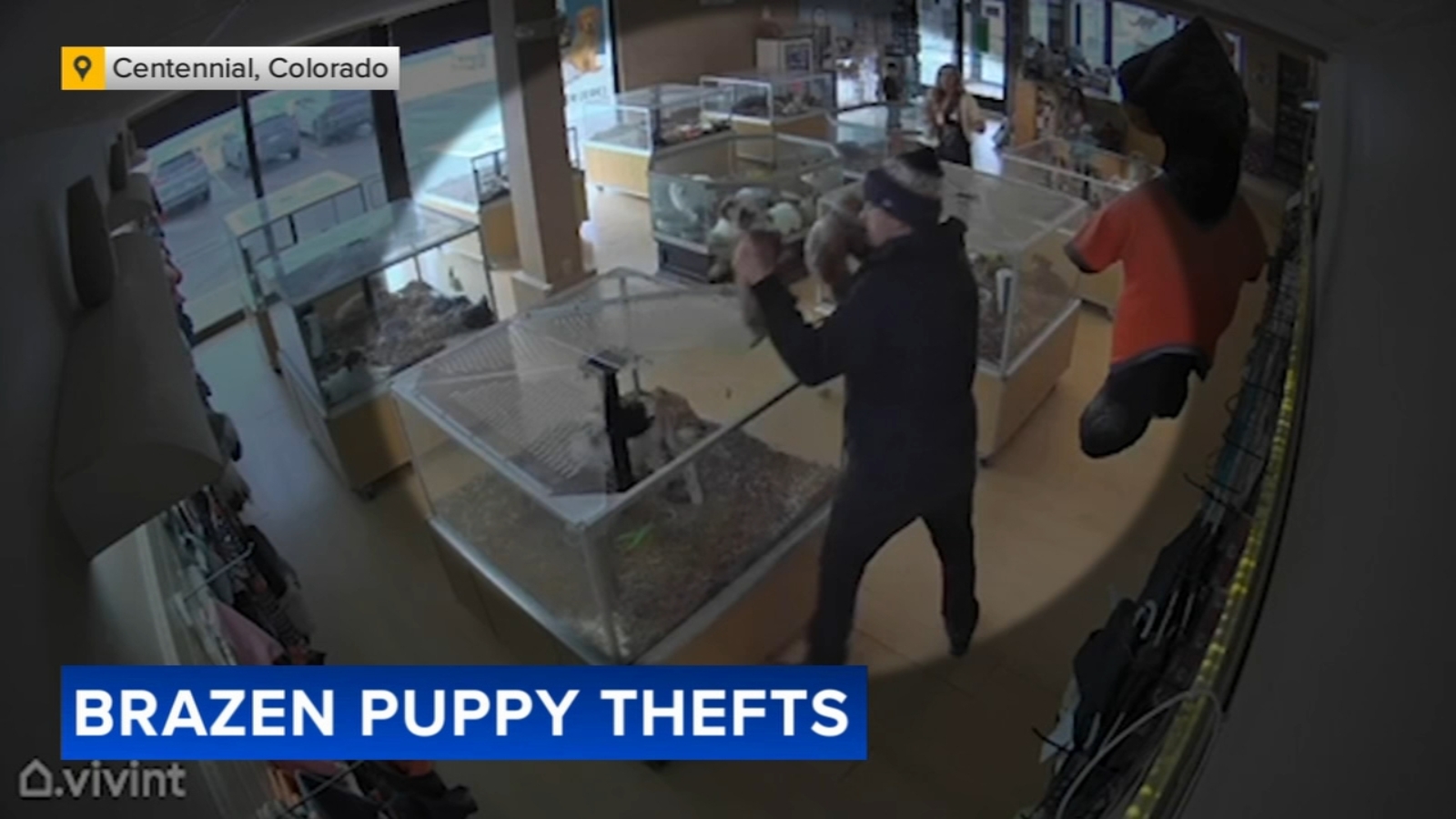
When you walk into a pet store, you expect to be greeted by the joyful sounds of barking puppies and the gentle purring of kittens. You don’t expect to witness a crime in progress. Yet that’s exactly what’s been happening at a pet store in Centennial, Colorado, where a brazen pattern of puppy thefts has left staff shaken and the community on edge. Surveillance footage has captured multiple incidents, including one where a man allegedly faked a seizure to create a distraction while accomplices made off with valuable animals.
This story has captured national attention, not just because of the crime itself, but because of the disturbing tactics used by the perpetrators. Let’s take a closer look at what’s happening, why it matters, and what can be done to protect vulnerable animals and retail businesses.
The Incidents: How the Puppy Thefts Unfolded
According to store management and local law enforcement, the pet store has been hit multiple times in what appears to be an organized effort. The most shocking incident involved a man who entered the store and began exhibiting symptoms of a seizure. As staff rushed to assist and other customers gathered around, his accomplices allegedly seized the opportunity to grab puppies from their enclosures and walk out the front door.
The audacity of using a fake medical emergency as a distraction strategy is particularly alarming. It shows a level of planning and coordination that goes far beyond opportunistic shoplifting. These are calculated, cold operations designed to exploit the compassion of store employees who, naturally, prioritize human safety over merchandise.
So far, at least one person has been arrested in connection with these crimes, though investigators believe additional suspects may be involved. The store has responded by significantly increasing its security measures, a move that underscores just how serious the threat has become.
Why Puppy Stores? Understanding the Motivation
Pet theft is not a new phenomenon, but the targeting of retail pet stores specifically raises important questions. There are several theories about why thieves might focus on these particular businesses:
- High resale value: Purebred puppies can fetch anywhere from several hundred to several thousand dollars, making them attractive targets for criminals looking to make quick money.
- Ease of transport: Unlike electronics or jewelry, small animals can be quietly carried out in bags or crates without triggering obvious alarms.
- Limited security: Many pet stores operate with minimal loss prevention infrastructure compared to jewelry stores or electronics retailers.
- Low risk, high reward: If caught with a stolen puppy, the legal consequences may be perceived as less severe than theft of other high-value items.
- Online resale opportunities: Stolen puppies can quickly be moved through classified ads, social media, or word-of-mouth networks.
The unfortunate reality is that stolen puppies often end up in terrible situations. They may be sold to unsuspecting buyers, kept in poor conditions, or even used in illegal breeding operations. Every stolen pet represents not just a financial loss to the store, but a potential animal welfare crisis.
The Fake Seizure Tactic: A Disturbing Trend
The use of a feigned medical emergency as a distraction technique isn’t unique to pet store crime. Law enforcement agencies have documented similar tactics used in retail theft rings for years. However, the psychological manipulation involved in faking a seizure is particularly cruel because it weaponizes human empathy.
Store employees and bystanders face an impossible dilemma in these moments. Failing to help someone who appears to be having a medical emergency could result in serious harm or even death. But rushing to assist means leaving valuable merchandise,and in this case, living animals,vulnerable to theft.
This type of scheme also creates secondary problems. If store staff become conditioned to distrust apparent medical emergencies, genuine emergencies could be ignored in the future. The ripple effects of these crimes extend far beyond the immediate theft.
The Broader Context: Protests and Store Operations
It’s worth noting that the Centennial pet store has been the target of protests against retail pet sales. Animal welfare advocates argue that pet stores contribute to puppy mill operations and encourage irresponsible breeding practices. While these concerns are valid and worth discussing, store management has stated they don’t believe the protests are connected to the thefts.
Still, the convergence of activism and crime at this location highlights the complicated landscape that pet retailers navigate. They must balance ethical questions about their business model with the practical realities of operating a storefront in today’s world.
Security Measures and Industry Response
In the wake of these incidents, the Colorado pet store has taken several steps to bolster its security:
- Enhanced surveillance: Additional cameras and monitoring equipment have been installed to provide better coverage of the sales floor and entry points.
- Staff training: Employees are being trained on how to recognize and respond to distraction tactics and suspicious behavior.
- Improved alarm systems: The store is investing in better detection technology to alert authorities more quickly during break-ins.
- Collaboration with law enforcement: Closer partnerships with local police are helping to investigate the crimes and prevent future incidents.
- Physical barriers: Some pet stores have introduced locked enclosures or restricted access to animals during certain hours.
The pet retail industry as a whole is likely to take note of these incidents. As criminal tactics evolve, so too must the security measures designed to counter them. Other pet stores around the country may want to review their own protocols and consider whether they’re adequately prepared to handle similar threats.
Protecting Your Own Pets
While this story focuses on retail theft, it raises important questions about pet security in general. Here are some tips for pet owners concerned about theft:
- Never leave pets unattended in vehicles, even for a moment. This is one of the most common ways dogs are stolen.
- Keep your yard secure with proper fencing and gates, and don’t leave dogs outside unsupervised for extended periods.
- Microchip your pets and ensure they’re wearing ID tags with current contact information.
- Be cautious with social media , avoid posting real-time information about your location or your pets’ whereabouts.
- Vet any potential buyers carefully if you’re selling puppies or kittens from your home.
If you’re purchasing a pet from a store or online, always verify the seller’s credentials and request documentation of health screenings and vaccinations. This helps protect both you and the animal.
What Comes Next?
The investigation into the Colorado pet store thefts is ongoing. Authorities are working to identify all individuals involved and determine whether these crimes are connected to a larger operation. The arrest of one suspect may provide leads that help crack the case wider.
For the pet store itself, the road to recovery involves both rebuilding customer trust and implementing the security changes necessary to prevent future incidents. The psychological impact on staff members who witnessed these events,particularly the fake seizure episode,should not be underestimated. Supporting employees through this difficult period will be just as important as installing new cameras and alarm systems.
A Community Responds
What stands out most about this story is how a community has rallied around a local business in crisis. The pet store has been serving Centennial residents for years, and the thefts have prompted an outpouring of support from loyal customers and animal lovers alike. Social media posts about the incidents have generated thousands of comments, many expressing outrage and offering assistance.
This kind of community solidarity matters. It sends a clear message to criminals that their actions won’t be tolerated, and it reminds businesses that they’re not alone when facing challenges. In an era when local retailers often struggle against larger chains and online competitors, this kind of grassroots support can be the difference between survival and closure.
Final Thoughts on Puppy Thefts and Retail Safety
The recent puppy thefts at the Centennial pet store represent more than just a string of crimes. They’re a wake-up call for the retail pet industry and a reminder that criminals will exploit any vulnerability, including our natural human impulse to help those in distress. The use of a fake seizure as a distraction tactic is particularly disturbing and demonstrates the lengths to which some individuals will go for profit.
As investigations continue and security measures are strengthened, pet store owners across the country should take this opportunity to evaluate their own preparedness. And as consumers, we should remain vigilant about where our pets come from and the conditions in which they’re kept,both in stores and in our homes.
Ultimately, the story of these puppy thefts is one of resilience in the face of adversity. A local business has been targeted, but it hasn’t been broken. A community has been tested, but it has responded with compassion and determination. And while the criminals may have made off with some puppies, they haven’t stolen the spirit of a neighborhood that cares deeply about its local businesses and the animals they serve.